
Top 5 Logistical Considerations for a Successful International Conference
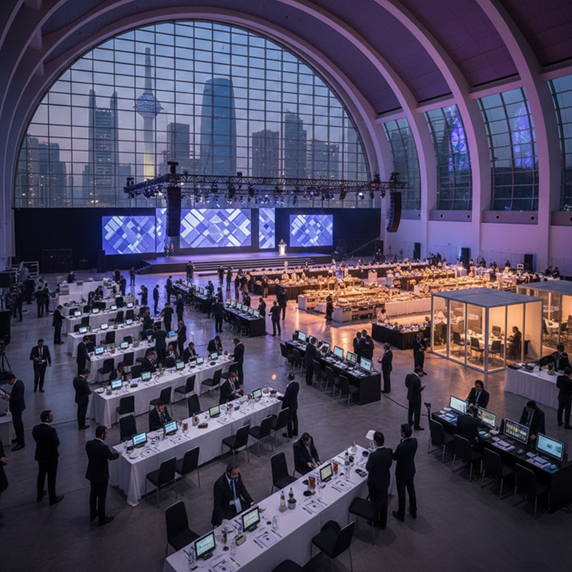
Top 5 Logistical Considerations for a Successful International Conference in Riyadh and Jeddah
The success of major international conferences in the vibrant Saudi Arabian cities of Riyadh and Jeddah hinges on a variety of logistical considerations. These two cities, key economic and cultural hubs in the region, are increasingly popular as ideal destinations for international gatherings. Planning and executing such events requires a meticulous approach to venue selection, transportation and accessibility, accommodation, communication strategies, and cultural sensitivities—all factors that significantly impact the attendee experience and engagement.
Key logistical considerations include selecting venues that not only accommodate the anticipated number of participants but also provide the necessary technological infrastructure and catering services. In Riyadh, venues like the Riyadh International Convention and Exhibition Center offer ample space, while Jeddah offers competitive alternatives that enhance the overall appeal of the conference. Accessibility is also crucial, with ongoing improvements to public transportation systems and integrated transport solutions designed to facilitate attendees’ movement between venues and accommodations. Furthermore, effective communication and cultural considerations are essential for engaging a diverse audience and ensuring the conference aligns with local customs and practices. Designing promotional materials and integrating bilingual communication will promote inclusivity and respect for Saudi values, which is crucial for international event organizers.
Attention to dietary restrictions and hospitality practices is also vital, as offering food that respects local traditions can significantly enrich the participant experience. While logistical challenges are an inherent part of organizing international conferences, carefully assessing and implementing these considerations can create impactful and memorable experiences for attendees. By addressing these aspects, organizers can overcome potential obstacles and enhance the positive image of Saudi Arabia as a leading destination for global events.
Venue Selection
Choosing the right venue is critical to the success of any major international conference in Riyadh and Jeddah. Several factors must be considered to ensure the venue aligns with the event’s objectives and attendees’ needs.
Location and Accessibility
The venue’s location is paramount. Riyadh, as the capital, typically commands higher prices, while Jeddah may offer more competitive alternatives. Additionally, venues in AlUla and NEOM offer unique cultural appeal but often come with premium pricing. The chosen venue should be easily accessible to all attendees, with consideration given to local transportation options and accessibility to promote participation and interaction.
Venue Capacity and Configuration
It is essential to assess the maximum guest capacity and the venue’s flexibility to accommodate various event sizes and formats. Venues like the Riyadh International Convention and Exhibition Center boast over 16,644 square meters of indoor space, including versatile configurations to suit both large and small gatherings. The ability to adapt meeting rooms for different sessions and side events is a significant advantage.
Technological Facilities
Access to advanced technological infrastructure is crucial. The venue should offer state-of-the-art presentation tools, reliable Wi-Fi, and audio-visual support to facilitate seamless communication and interaction during the conference. Ensuring the venue’s ability to support high-quality live streaming and interactive sessions will enhance the experience for both in-person and remote participants.
Catering and Hospitality Services
Catering options are essential for maintaining a vibrant and engaging audience. Event venues should offer a variety of catering services that cater to dietary restrictions and preferences. Having professional on-site support teams also helps ensure a seamless experience throughout the event.
Seasonality and Cost
Considering peak seasons is crucial, as venue and hospitality costs can increase significantly during the busiest months (October to March). These seasonal fluctuations, along with other expenses such as catering and technology, should be factored into the venue budget.
By carefully evaluating these logistical considerations, event organizers can select venues in Riyadh and Jeddah that meet their needs and deliver a memorable and impactful experience for all participants.
Transportation and Accessibility
Transportation and accessibility are essential for the success of any major international conference in Riyadh and Jeddah. Both cities are currently undergoing significant infrastructure changes to enhance mobility for both residents and visitors.
The Current Transportation Landscape
While the car remains the dominant mode of transportation in Saudi Arabia, the development of bus and rail networks, particularly in cities like Riyadh and Mecca, is setting new standards for public transport. Ongoing developments include the introduction of metro systems and improvements to bus services, providing attendees with diverse and efficient options for getting around the city.
Public Transportation in Jeddah
Jeddah is currently implementing its Public Transportation Program, which aims to create an integrated public transportation network. This network is expected to include the metro, light rail, tram, and bus services.
However, challenges remain, such as delays and funding shortages, which currently hinder the effectiveness of public transportation options in Jeddah. Currently, approximately half of Jeddah’s residents have limited access to public transportation, making it essential for conference organizers to consider alternative transportation arrangements for attendees.
Transportation Solutions in Riyadh
Riyadh boasts King Khalid International Airport, which serves over 28.5 million passengers annually and is a major hub for domestic and international flights. The airport benefits from a well-connected transportation network within the city, and transfers between its interconnected terminals are seamless and convenient.
The city facilitates the smooth transfer of international guests. Furthermore, its advanced metro system aims to further enhance urban mobility, fostering a more efficient and accessible transportation environment.
Recommendations for Conference Logistics
To ensure seamless transportation for conference attendees, several logistical considerations should be prioritized:
- Integrated Transportation Options: Organizers should facilitate access to various transportation services, including ride-hailing apps like Uber and Careem, which are popular in both cities and offer a safe and convenient way for visitors to navigate urban areas.
- Specialized Transportation Services: Arranging transportation services between hotels and conference venues, along with providing information on local transportation options, will significantly improve the attendees’ experience. Organized transportation solutions for key attractions can also encourage engagement with local culture and heritage, creating a holistic experience.
- Clear Communication of Public Transportation Networks: It is essential to provide clear and easily accessible information about public transportation routes, schedules, and ticketing systems. Developing unified payment platforms and real-time information systems can contribute to a seamless travel experience for attendees.
- Accessibility Considerations: Ensuring easy access for people with disabilities to all transportation options is crucial for promoting inclusivity during the conference. This may include ensuring that bus and metro systems comply with accessibility standards and that adequate facilities are provided at event venues.
- Monitoring and Feedback: Establishing a system to collect attendee feedback on their transportation experiences can provide valuable insights for future conferences, allowing for continuous improvement of logistics and accessibility efforts. By focusing on these logistical considerations, conference organizers in Riyadh and Jeddah can significantly improve transportation and accessibility for attendees, contributing to the overall success of international events.
Read also: Steps to Book a Bus for Conference Guests
Accommodation
When organizing a large international conference in Riyadh and Jeddah, choosing the right accommodation is logistically critical. Both cities offer diverse options to suit the varying needs, preferences, and budgets of conference participants.
Hotels in Riyadh
Riyadh boasts a selection of luxury hotels offering exceptional amenities and services tailored specifically for business travelers. The Four Seasons Hotel Riyadh is renowned for its versatile event spaces, including grand ballrooms and state-of-the-art meeting rooms designed to ensure seamless presentations and gatherings.
Additionally, the Radisson Hotel Riyadh Airport offers contemporary accommodations alongside beautifully landscaped gardens, making it a refreshing choice for attendees. For those seeking more comfortable and convenient options, the Holiday Inn Riyadh – Business District is conveniently located near King Khalid International Airport, providing business facilities and easy access to nearby shopping and entertainment.
Furthermore, venues like the Mira Waterfront Hotel offer corporate meeting rooms specifically designed for short training sessions and business meetings, ensuring all participants have the necessary amenities.
Hotels in Jeddah
Similarly, Jeddah Airport boasts a diverse range of hotels catering to both leisure and business travelers. The Jeddah Marriott Hotel stands out as a leading conference destination, combining luxury with practical facilities to enhance the overall event experience.
Located a short distance from King Abdulaziz International Airport, the Clarion Hotel Jeddah Airport offers comfortable accommodations along with free high-speed internet and other essential services, making it an ideal choice for international guests.
In addition, Jeddah Airport boasts several lounges, including the Alfursan Lounges operated by Saudia in Terminal 1, for those wishing to unwind before or after their conference. These lounges offer luxurious amenities, comfortable seating, and refreshments, allowing guests to relax in a tranquil environment.
Read also: Managing Conference Guest Accommodations: Best Practices from Booking to Follow-up
Ease of Access and Convenience
Both Riyadh and Jeddah are strategically located, providing easy access to major transportation hubs. This is crucial for international participants who may require seamless transportation from the airport to their accommodations and conference venues. The availability of free Wi-Fi and modern amenities in hotels in both cities ensures guests stay connected and productive throughout their stay.
Communication and Promotion
Effective communication and promotion are essential for the success of international conferences held in Saudi Arabia, particularly in cities like Riyadh and Jeddah. Adapting communication strategies to the cultural context is crucial for effectively engaging local audiences.
Custom Communication Design
The prevailing communication style in Saudi Arabia can present challenges for international organizers. Understanding and respecting local customs, religious practices, and gender considerations is paramount. For example, promotional materials should be designed with cultural sensitivity in mind, ensuring that branding, decor, and messaging align with Saudi values and traditions. Using bilingual communication can enhance understanding and inclusivity, especially with diverse audiences.
Engaging Local Expertise
Leveraging local experts is essential for navigating the unique communication landscape in Saudi Arabia. These local partners can provide valuable insights into best practices, helping to avoid potential social missteps that may arise from cultural misunderstandings.
Feedback and Continuous Improvement
To maximize the impact of communication efforts, organizers should actively seek audience feedback throughout the event lifecycle. Measurement of feedback can provide
The audience provides valuable insights into the effectiveness of promotional strategies and helps improve future communication. This continuous improvement process is essential for building lasting relationships with attendees and stakeholders in the region.
Managing Official Protocol
In Saudi Arabia, many international conferences include government representatives or other high-profile figures. Understanding local protocol and diplomatic etiquette is therefore crucial.
Proper conduct and adherence to familiar courtesies can significantly improve the reception of messages during an event. Being mindful of these social nuances not only fosters respect but also enhances communication with local officials and participants. By implementing culturally sensitive communication strategies, engaging local experts, and adhering to protocol, organizers can launch impactful promotional campaigns that resonate with the Saudi public, ultimately contributing to the success of their conferences in Riyadh and Jeddah.
Cultural Considerations
Organizing a major international conference in Riyadh and Jeddah requires a deep understanding of cultural sensitivities, which play a critical role in ensuring the event’s success. Cultural sensitivity involves recognizing, respecting, and integrating local customs, traditions, values, and languages into every aspect of planning and execution. This includes everything from invitation design to the selection of entertainment and refreshments.
The Importance of Local Customs
In the Middle East, and particularly in Saudi Arabia, understanding local customs and traditions can significantly enhance the reception of any event. For example, scheduling events during important Islamic holidays such as Eid al-Fitr and Eid al-Adha requires careful planning to address potential logistical challenges, as these holidays are significant times for family and community gatherings.
Furthermore, Friday is a holy day, which may affect the scheduling of dinners and corporate conferences, underscoring the importance of respecting local customs.
Dress Codes and Modesty
Dress codes in Saudi Arabia vary considerably depending on the context. In conservative areas, modest clothing is valued, while formal or casual attire may be acceptable in less conservative regions.
In more cosmopolitan settings, men are advised to wear formal suits with long-sleeved shirts and ties, while women are advised to wear modest, loose-fitting clothing that covers the arms and legs. Adhering to these guidelines is crucial, as it demonstrates respect for local customs and helps create a positive environment for dialogue and participation.
Language and Communication
Effective communication is another essential element of cultural sensitivity. While Arabic is the dominant language, English is widely used in business contexts, particularly in major cities like Riyadh and Jeddah.
Incorporating multilingual communication strategies—such as providing bilingual materials and employing local interpreters—can help ensure that all attendees feel included and respected. It is essential to pay close attention to subtle linguistic differences, as even minor errors can lead to misunderstandings or offenses.
Engaging with Local Culture
When planning conferences, it is essential to integrate local cultural elements into the event. This could include selecting venues that reflect the region’s cultural heritage, incorporating traditional forms of entertainment, or utilizing local catering services that comply with Islamic dietary laws. A successful event can leave a lasting impression on participants, extending far beyond mere business interactions.
Protocol and Etiquette
Events featuring government officials or VIPs require a thorough understanding of local protocol and diplomatic etiquette. Proper interaction with dignitaries and adherence to established courtesies are crucial for maintaining an atmosphere of respect.
In this regard, consulting local protocol experts can significantly enhance the professionalism and effectiveness of the event. By integrating these cultural considerations into the planning process, organizers can ensure the success of international conferences in Riyadh and Jeddah, leaving a lasting positive impact on attendees and the local community.
Catering
Catering plays a vital role in the success of major international conferences in Riyadh and Jeddah, particularly in accommodating diverse dietary preferences and cultural practices. Companies such as Caranville Catering, Pagetring, and Ecal Catering offer bespoke services tailored to meet the unique needs of event organizers and participants, ensuring that the quality and presentation of the food reflect the significance of the occasion.
Dietary Considerations
A key aspect of catering for international events is considering diverse dietary restrictions and preferences. Common dietary requirements include vegetarian, gluten-free, and nut-free options, which are essential for catering to the healthy choices and lifestyles of attendees.
Additionally, dietary needs related to religious practices, such as halal and kosher, must be carefully planned to ensure inclusivity and respect for cultural norms. Event organizers are advised to collect detailed dietary preferences in advance to facilitate seamless meal planning.
Cultural Sensitivity
Catering services in Saudi Arabia should also incorporate elements of traditional hospitality to enhance the guest experience. For example, many events incorporate communal dining practices, where dishes are shared among guests, reflecting local customs that emphasize community and camaraderie.
Event organizers should collaborate with local catering companies that understand these cultural nuances to deliver an authentic experience.
Technology Integration
Modern catering services are increasingly relying on technology to improve efficiency and enhance the guest experience. For example, technology can be used to display interactive menu options, and feedback is collected instantly, ensuring that catering services align with attendees’ preferences while respecting traditional Saudi hospitality. This blend of technology and tradition adds a unique touch to events while remaining mindful of cultural expectations.
On-Site Management Strategies
Effective on-site management is crucial to the success of major international conferences in Riyadh and Jeddah. It encompasses a variety of strategies that ensure smooth operations and an engaging experience for attendees.
Comprehensive Event Planning
Prior to the event, thorough planning and preparation are essential. This includes assessing the venue, understanding technological requirements, and establishing a clear schedule for the day’s activities. A well-structured plan facilitates a seamless transition between different conference phases, allowing for better resource allocation and coordination of staff efforts.
Immediate Technical Support
Providing on-site technical support is critical to addressing any issues that may arise during the event. A dedicated team of technicians is readily available to troubleshoot, resolve, and optimize performance, ensuring efficient technology operation. Logistical communication is vital for successful presentations and audience engagement.
This includes everything from preparing audiovisual media to live monitoring of virtual platforms for hybrid events.
Enhancing the Attendee Experience
Making the event experience enjoyable and effective for attendees is crucial. Strategies such as clear signage, streamlined check-in processes, and accessible facilities help attendees navigate the venue with ease. Additionally, providing engaging content and interactive sessions can boost participant satisfaction and encourage networking opportunities.
Coordinating Logistics
Managing logistics is a fundamental aspect of venue management. This includes coordinating attendee transportation, overseeing accommodation arrangements, and ensuring all equipment and materials are available before the event begins. Effective logistics planning minimizes disruptions and contributes to a seamless experience for both organizers and attendees.
Post-Event Analysis
After the event concludes, a comprehensive post-event analysis is essential for continuous improvement. Gathering data on attendee engagement and technical performance provides valuable insights for future events. This reflective process allows organizers to identify strengths and areas for improvement, ensuring that each conference builds on past successes and lessons learned.


Comments