
Outdoor Team Building Activities Are a Smart Investment
Why Outdoor Team Building Activities Are a Smart Investment?
Outdoor team building activities offer numerous benefits that significantly improve workplace dynamics and employee engagement. Held in natural environments, these activities foster communication, collaboration, and trust among team members—essential elements for a successful organizational culture. In today’s fast-paced, digitally driven world, getting outdoors is no longer a luxury but a strategic necessity for companies aspiring to leadership and innovation.
Improved Communication and Collaboration: Breaking Down Traditional Barriers
One of the most important benefits of outdoor team building activities is improved communication and collaboration skills. Activities such as group walks, orientation challenges, and problem-solving exercises force team members to interact in ways that are completely different from the typical office environment.
In the office, communication is often governed by formalities and email, but outdoors, it becomes organic and immediate. The absence of hierarchical structures during these activities allows individuals to freely express their ideas and make collective decisions, fostering a sense of equality and shared purpose. When an employee finds themselves pitching a tent or finding a hiking trail with their manager, class distinctions melt away, and true team spirit emerges, making it easier to transfer this flexibility into the company environment later on.
Read more: Trust-Building Activity Ideas as One of the Outdoor Team-Building Activities in Saudi Arabia
Boosting Morale and Relieving Stress: Nature as a Functional Therapy
“Job burnout” is one of the biggest challenges of modern life. Engaging in outdoor activities allows employees a much-needed break from their daily routines, significantly reducing stress levels. Exposure to sunlight and fresh air lowers cortisol (the stress hormone) levels and increases endorphin production.
Activities like kayaking, hiking, and friendly competitions enable team members to relax and return to work refreshed. This change not only boosts morale but also improves overall job satisfaction. An employee who feels their organization cares about their mental well-being and enjoys their time develops deep loyalty to the company and sees their job as a place for personal growth, not just a source of income.
Building Trust and Strengthening Relationships: Investing in Social Capital
Trust is the foundation of effective teamwork, and without it, teams remain isolated groups of individuals working in silos. Outdoor team-building activities provide opportunities for employees to connect in informal settings, fostering interpersonal relationships away from the pressures of deadlines and reports.
When team members face challenges together in unfamiliar environments, they learn to rely on each other in a practical and tangible way. For example, in climbing exercises or obstacle courses, “trust” is a real thing, not just a slogan. These shared experiences create positive “organizational memory,” where employees learn about their colleagues’ strengths that might not be apparent behind computer screens. This trust later translates into improved performance and a more cohesive work environment, where mutual support prevails over negative competition.
Developing Problem-Solving Skills in a Stimulating Environment
Outdoor activities often involve complex challenges that require critical thinking and innovative solutions. The outdoors presents unpredictable variables (such as weather or terrain), encouraging the mind to “think outside the box.”
Participating in collaborative tasks helps employees develop their problem-solving skills in a stimulating and enjoyable environment. By working together to overcome natural obstacles, teams become more effective at addressing challenges in the workplace. The ability to analyze a problem, delegate roles, and implement a solution under time pressure in an outdoor game is the same skill required to manage a crisis in a large project or deal with a difficult client.
Increased Employee Engagement and Productivity: Return on Investment (ROI)
Organizations that invest in outdoor team-building activities experience higher levels of employee engagement and productivity. Engaged employees are more likely to contribute positively to the company culture and demonstrate commitment to their roles.
Furthermore, fostering a collaborative environment through these activities is linked to improved overall organizational performance. Global studies indicate that companies that encourage teamwork and prioritize employee well-being achieve significantly greater success and profit growth than traditional companies. Investing in a day trip can save a company the costs associated with employee absenteeism or turnover linked to poor employee engagement and interaction.
Application in Saudi Arabia: An Ambitious Vision for a Modern Work Environment
The implementation of trust-building activities, particularly outdoor team-building activities, in Saudi Arabia is significantly influenced by the cultural and organizational changes driven by Saudi Vision 2030. This ambitious strategic framework aims to diversify the economy and enhance organizational culture in both the public and private sectors by focusing on employee engagement and quality of life.
As Saudi organizations strive to adapt to new business models and digital transformation, trust-building activities have emerged as essential elements for fostering collaboration and improving workplace dynamics. The Vision aims not only to build cities and projects but also to cultivate productive and innovative individuals within a healthy work environment.
The Role of Outdoor Team-Building Activities in the Local Environment
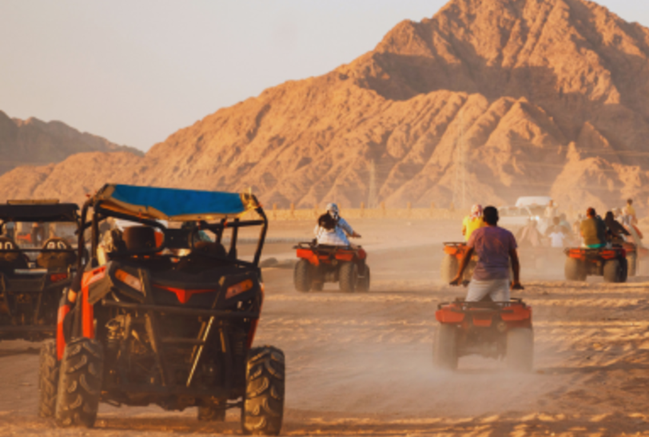
Outdoor team-building activities are highly effective in the Kingdom, given its stunning geographical diversity. Activities such as desert safaris, cultural tours of heritage sites like Al-Ula or Diriyah, and strategic games in national parks can cultivate teamwork skills in a unique setting.
The Kingdom’s unique landscapes, from the enchanting Red Sea beaches to the verdant Asir Mountains and the majestic Najd deserts, provide an exceptional backdrop for these activities. This diversity allows participants to connect with one another while exploring their local environment, fostering a sense of national pride and belonging, which positively impacts team spirit within the organization.
Cultural and Social Considerations
When implementing these activities in Saudi society, it is essential to carefully consider the cultural and social context. Vision 2030 emphasizes values such as moderation, tolerance, and fairness, which should be reflected in the design and implementation of team-building programs.
- Inclusivity: Activities should be designed to be inclusive of all employee groups (men and women, young and old) to ensure that no one is left behind.
- Alignment with Values: Participating in activities that align with societal values contributes to creating a more inclusive and supportive environment, which in turn promotes higher levels of employee satisfaction.
- Accessibility: Organizers should ensure that all team members can access activities, taking into account diverse interests and physical abilities, to ensure that the goal is inclusion, not exclusion.
Conclusion: The Path to a Better Future of Work
Outdoor team-building activities are not just a paid day off; they are a powerful management tool and an effective human development tool. By integrating nature into their employee development strategy, organizations can build more agile, connected, and confident teams.
In light of the significant transformation underway in Saudi Arabia, investing in these activities, in line with Vision 2030, is a smart move that ensures organizations remain at the forefront of the competition by possessing their greatest asset: a cohesive and motivated workforce.


Comments