
Vehicle Types for Different Events
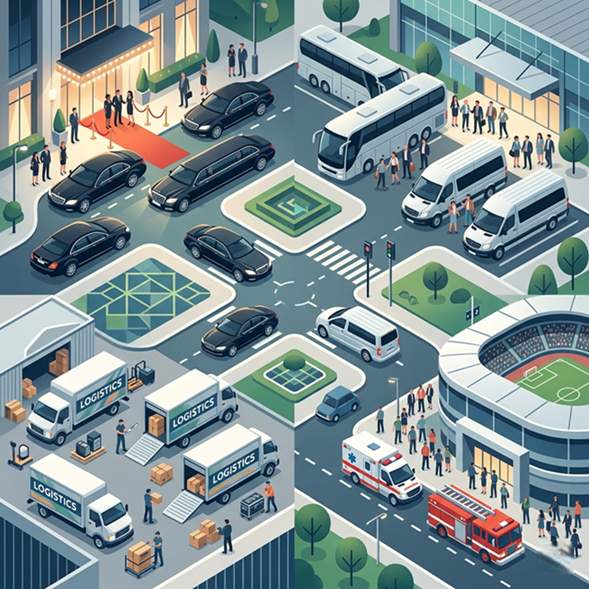
Vehicle Types for Different Events
When planning events, selecting the right vehicle fleet is crucial to ensuring efficient transportation and enhancing the attendee experience. Different vehicle types serve different purposes, catering to the specific needs of each event.
Luxury Sedans
Luxury sedans form the backbone of corporate fleets and are ideal for executive travel, client receptions, and business meetings. With their luxurious interiors and features such as climate control and privacy options, sedans offer comfort and sophistication for airport transfers and daily commutes for business purposes. Popular models include the Cadillac XTS, Mercedes-Benz E-Class, and Lincoln Continental, which help make a lasting impression on clients and partners.
Luxury SUVs
Luxury SUVs are an excellent choice for large groups or travelers with luggage. Models like the Chevrolet Suburban and Cadillac Escalade offer spacious interiors, advanced entertainment systems, and a premium driving experience, making them suitable for both business and leisure trips. Luxury SUVs: The versatility of these vehicles allows them to meet a variety of travel needs, from corporate group trips to special events.
Extended Limousines
No luxury car fleet is complete without extended limousines, which are preferred for weddings, VIP transport, and red carpet events. Limousines add a touch of elegance and luxury, and feature amenities such as lavatories and entertainment systems, ensuring a luxurious experience for all passengers.
Buses
Buses are essential for large events, providing transportation for groups to corporate parties, weddings, and other gatherings. These vehicles range in size from minibuses to large coaches and are designed to transport large numbers of passengers while providing comfort and safety features. Buses can also be equipped with amenities such as sound systems and climate control, making them suitable for long journeys.
Sprinter Vans
Sprinter vans combine comfort and practicality, making them ideal for corporate travel and group trips. With their spacious interiors, climate control, and various amenities, these vehicles offer comfort and practicality during event and tour transportation. The Mercedes-Benz Sprinter, in particular, is a popular choice due to its luxurious feel and smooth ride.
Service Vans
Service vans play a vital role in events requiring logistical support. These specialized vehicles, such as refrigerated vans or box trucks, are essential for the efficient transport of goods and supplies, ensuring that everything needed for the event arrives on time.
Emergency Vehicles
Although not typically part of the event vehicle fleet, emergency vehicles can be critical at large gatherings. Fire trucks and ambulances are equipped with the features necessary for immediate response, ensuring safety and preparedness during large events.
Read also: Maintaining the Safety and Security of Global Events
Transportation Needs for Different Events
When planning events, understanding the specific transportation needs of each type is crucial to ensuring a successful experience for attendees. Different events require different approaches to transportation planning, making it essential to align logistics with the nature and scale of the event.
Corporate Events
Transportation is critical for corporate events, including conferences, trade shows, and entertainment events. These gatherings often require reliable transportation services to facilitate movement between hotels, venues, and airports. The scale of transportation needs to be commensurate with the size of the event—small gatherings may require a few luxury sedans, while large conferences may require a fleet of buses to accommodate hundreds of attendees. Punctuality and reliability are paramount, as any logistical disruption can negatively impact the attendee experience and the overall success of the event.
Other Special Occasions
Special occasions, including formal dinners and private parties, may require a different set of transportation solutions, often emphasizing creativity and innovation. Emerging trends in event transportation, such as the use of autonomous vehicles, are being explored to provide guests with a novel experience.
In addition, event logistics must consider factors such as venue location, guest arrival times, and available parking to ensure transportation enhances the event experience rather than detracting from it.
Logistics and Coordination
Logistics and coordination are essential to the success of any event, especially when managing a fleet of vehicles. Effective logistics ensures the smooth operation of all aspects of the event, from transportation to the flow of attendees and materials.
Overview of Event Logistics
Event logistics encompasses the detailed planning and management of the various elements necessary for an event’s success. This includes venue selection, transportation and accommodation coordination, equipment setup, and managing attendee flow before, during, and after the event. A well-defined logistics plan is crucial for ensuring a smooth event and a seamless experience for attendees.
Fleet Management in Event Logistics
Fleet management is a fundamental aspect of event logistics, as these vehicles are essential for transporting guests, materials, and equipment. Various types of vehicles are used, ranging from buses for transporting large groups to small trucks for moving equipment.
Well-coordinated vehicle schedules can alleviate congestion and ensure timely arrival and departure, especially during peak times such as registration and closing sessions.
Transportation Scheduling
Transportation scheduling plays a pivotal role in logistics management. This involves aligning schedules, attendance expectations, and venue logistics to create a comprehensive transportation plan.
This may include identifying critical arrival times, grouping attendees based on their transportation needs, and developing a transportation strategy that adapts to changing demand. The development of transportation scheduling software has facilitated the management of these logistics services at scale, providing the necessary tools for real-time adjustments and improvements.
The Importance of Communication
Clear communication strategies are essential to ensuring effective coordination among all parties involved in event logistics. This includes maintaining open communication channels between security, catering, technical support, and transportation teams to facilitate a rapid response to any unforeseen issues. Furthermore, having defined escalation mechanisms streamlines decision-making during the event, enhancing operational efficiency.
Post-Event Logistics
Post-event logistics should not be overlooked; they are crucial for gathering valuable data and feedback. Implementing data collection systems allows event organizers to analyze attendee engagement and operational performance, providing valuable insights for future events.
Furthermore, focusing on the well-being of staff and attendees during and after the event significantly contributes to overall satisfaction and success, necessitating meticulous logistical planning.
Read also: A Guide to Choosing a Vehicle Fleet for Events
Conclusion: Integrating Resources to Ensure Event Success
In conclusion, it is clear that transportation management is not a minor detail in event organization, but rather the vital artery connecting all aspects of logistics. A diverse vehicle fleet, ranging from formal sedans to large buses and service vans, provides organizers with the flexibility to respond to the varying needs of each event.
Success in this area is not solely dependent on providing luxury vehicles. It relies primarily on precise coordination, effective scheduling, and strong communication among all field teams. The more the transportation plan aligns with the nature of the event and the size of the audience, the smoother and more professional the overall experience will be.
As logistics technologies continue to evolve and smart transportation solutions emerge, adhering to high standards in vehicle selection and management remains the surest way to leave a lasting positive impression on guests and transform logistical challenges into opportunities to enhance the event’s reputation and organizational success.

Comments