
The MICE Sector and the Hospitality Industry
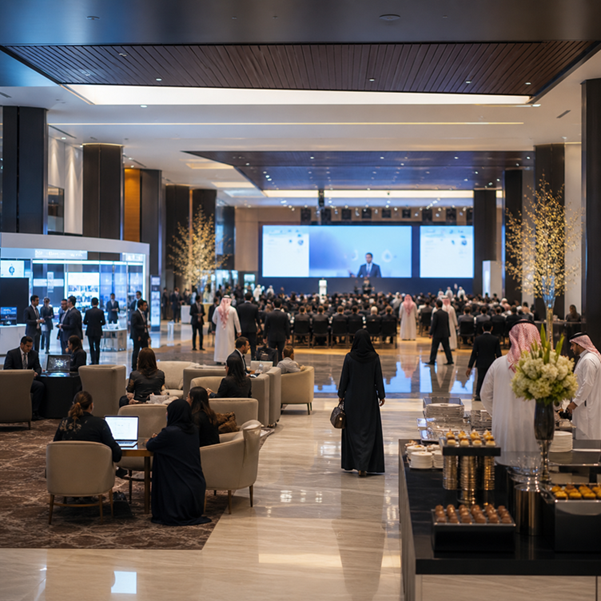
The MICE Sector and the Hospitality Industry: A Strategic Guide to Maximizing Bookings and Managing Major Events
The Meetings, Incentives, Conferences, and Exhibitions (MICE) sector is the lifeblood of business tourism and a key driver of economic growth in leading tourist destinations like Saudi Arabia. In light of major economic shifts, this sector is no longer a sub-branch of tourism but has become a fully-fledged industry requiring significant infrastructure investments and a deep understanding of the behavior of international corporate clients. Hotels and venues that successfully attract MICE events not only secure stable cash flow but also position themselves on the global map of excellence as leading destinations for decision-making and knowledge exchange.
Understanding the Four Components of MICE Sector
To develop an effective strategy for attracting this sector, we must delve into its components, which differ significantly in their logistical requirements and guest expectations:
Meetings:
Meetings represent the most frequent and enduring component of this sector. These are professional gatherings aimed at discussion, brainstorming, or making corporate decisions. These meetings range from small board meetings requiring absolute privacy and state-of-the-art technology to seminars and workshops involving dozens of employees. Successfully hosting meetings depends on “flexibility”; the hotel needs to offer rooms that can be quickly reconfigured, provide a quiet environment away from the bustle of tourists, and ensure immediate technical support for projectors and video conferencing equipment.
Incentives:
This segment is most closely linked to luxury within the MICE (Meeting, Incentive, Conference, and Exhibition) sector. Incentive programs are fully paid leisure trips organized by companies to reward their outstanding employees or strategic partners. Here, the organizer isn’t looking for a meeting room, but rather an “experience.” The challenge with incentive trips lies in creating programs that combine luxury, entertainment, and a cultural connection to the destination. Establishments offering world-class spa services, award-winning restaurants, and the ability to organize exclusive tours dominate this market.
Conventions:
Conferences are the largest and most complex event, bringing together hundreds or thousands of specialists from a specific sector (such as medicine, technology, or engineering). They require a massive logistical infrastructure, including large halls for keynote speakers, numerous break rooms, and ample space for dining and networking. Managing a conference is a true test of a hotel’s ability to handle large crowds without compromising service quality. The reception team, kitchen staff, and IT support team must work seamlessly together to ensure smooth operations and efficient time management.
Exhibitions:
Exhibitions are platforms for showcasing products and services, often held alongside conferences. Exhibitions require precise technical specifications for the venues, such as high ceilings, heavy-duty flooring, and ample power and internet connectivity. A successful exhibition hotel provides easy access for suppliers and trucks and offers rapid logistical solutions for setting up and dismantling stands.
The Economic and Strategic Impact of MICE Tourism
Why are major cities like Riyadh and Jeddah vying to host these events? The answer lies in the “quality value” of the business tourist.
Maximizing Return on Investment
MICE tourists generally spend up to 200% more than leisure tourists. This spending doesn’t just benefit the hotel; it fuels the entire economic ecosystem, from luxury car rental companies and restaurants to gift shops and logistics services. Furthermore, these events help address the issue of seasonality, as most conferences are held during off-peak family tourism periods, ensuring year-round occupancy.
Promoting the Destination and Building Reputation
Successful MICE events act as a free and highly effective marketing tool. When a hotel hosts an international conference attended by global decision-makers and experts, the positive experience of these guests immediately enhances the hotel’s and the city’s reputation. These guests become ambassadors, sharing their experiences with their professional networks, paving the way for future investments and larger events.
Venue Management
To succeed in this competitive sector, hotel management must move beyond traditional methods and adopt smart operational strategies:
Digital Transformation and Logistical Intelligence
Using advanced venue management software is essential. These systems allow event planners to virtually preview venues, design precise seating layouts, and flexibly manage catering. Customer Relationship Management (CRM) systems also ensure that corporate preferences are tracked. If a company prefers a specific venue arrangement or a particular type of coffee, this is recorded to guarantee a personalized experience every time.
Technology as the Backbone
In the post-pandemic era, hybrid events have become the new norm. Hotel venues must be equipped with the technological infrastructure to enable high-quality live streaming, provide ultra-fast internet speeds, and offer interactive audio-visual solutions. Technology is no longer an added bonus; it is a fundamental criterion that determines the organizer’s venue selection.
Read also: Catering Ideas Based on the Type of Corporate Event
Practical Strategies for Attracting the MICE Sector
To maximize the benefits from this sector, a holistic approach should be adopted, starting well before the event and continuing for a considerable period afterward:
First: Advance Planning
Hotel owners must honestly assess their capabilities; are the venues suitable? Is the staff trained? Creating customized service packages that include accommodation, meals, technology, and even airport transfers makes it easier for organizers to make decisions. Flexible pricing and offering incentives for early bookings or large groups are powerful negotiating tools.
Second: Digital Marketing
Organizers should conduct online research before contacting hotels. The hotel’s website should be a professional showcase featuring high-quality images and 360-degree virtual tours of the venues. A presence on platforms like LinkedIn and targeted advertising campaigns aimed at purchasing managers and event planners ensures the offer reaches the right person at the right time.
Third: Operational Execution
During the event, immediate communication is key. A dedicated event concierge should be available to act as the liaison between the organizer and all hotel departments. Attention to detail, such as the quality of snacks, prompt responses to venue modification requests, and comfortable rest areas, makes all the difference between an ordinary event and a spectacular one.
Fourth: Post-Event Activities
The job doesn’t end with the closing ceremony. Following up with the client, requesting honest feedback, and promptly addressing any complaints fosters trust. Offering exclusive deals for future years or for other company events transforms a customer into a lifelong partner.
Conclusion:
The MICE (Meeting, Incentive, Entertainment, and Communication) sector is more than just selling venues and rooms; it’s about building impressions and facilitating business. In an increasingly interconnected world, the need for face-to-face interaction remains, but with much higher expectations. Hotels and establishments that invest in their people, adopt the latest technologies, and prioritize the guest experience will be the drivers of success in this vital sector.
Integrating authentic Arabian hospitality with global organizational standards is not just a strategic choice; it’s a necessity to keep pace with the Kingdom’s ambitious vision. Every successful event contributes to painting a bright picture of the future of tourism and business in the region. Investing in MICE is an investment in the future, and those with the right tools and a clear vision will find countless opportunities for growth and excellence in this sector.


Comments