
Ideas for Planning a Cultural Event in Riyadh
Ideas for Planning a Cultural Event in Riyadh
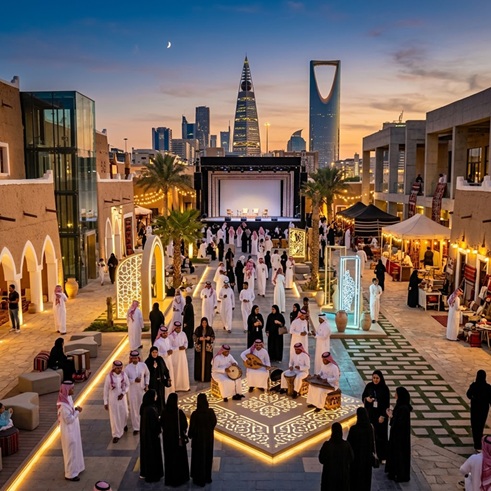
Planning a cultural event in Riyadh involves blending Najdi heritage, contemporary arts, and technology. This takes place against the backdrop of the Kingdom of Saudi Arabia’s rapidly expanding cultural landscape and aligns with the goals of Vision 2030. The process encompasses various aspects—such as venue selection, safety standards, programming, visual identity development, sponsorship, and regulatory compliance—while taking into account Riyadh’s unique character, locations, and audience. It relies on established planning frameworks that prioritize crowd safety, capacity planning, and inter-departmental coordination, all while adhering to national guidelines regarding public celebrations and visual identity usage.
Visitor Flow, Operations, and Logistics
Effective management of visitor flow is essential when hosting a cultural event in Riyadh, balancing safety standards with the delivery of a positive attendee experience. Key elements include strategic site planning, the distribution of service and comfort facilities, clear signage, the presence of trained staff, and the integration of technology to monitor and direct visitor movement.
Site Planning and Service/Comfort Facilities
Service and comfort facilities should be distributed across the site to serve high-traffic areas—such as locations near food and beverage outlets, the main audience area, and entry/exit points—while ensuring they do not obstruct sightlines or emergency routes. Additionally, dedicated access routes for service vehicles must be established to reach mobile facilities during multi-day events, thereby avoiding disruption to audience activities.
Staffing, Training, and Emergency Preparedness
Having a trained workforce is vital for maintaining safety and order. Staff must be equipped with skills in conflict resolution, emergency response, and effective communication, while maintaining constant contact with one another to ensure a coordinated response to incidents.
Emergency preparedness is indispensable; this includes developing and practicing evacuation plans, designating assembly points, and training staff on emergency scenarios to prioritize attendee safety. Furthermore, technology and professional methods should be employed to assist staff in managing crowd flow and responding to incidents.
Read Also: The Role of Distinguished Cultural Events in Shaping Public Memory
Flow Management, Technology, and Monitoring
Flow management relies on carefully designed pathways, signage, and clearly defined entry and exit points to guide attendees smoothly and prevent congestion. Dividing the event space into functional zones helps regulate attendee density and maintain comfort levels, thereby enabling better crowd control.
Modern technology—such as crowd monitoring tools, real-time analytics, and mobile applications—provides organizers with insights into crowd behavior, facilitating proactive planning and rapid adjustments to staff deployment as needed. Real-time monitoring tools help leaders detect congestion early, while AI-driven heat maps support better decision-making regarding staffing and routing. Additionally, smart ticketing and automated check-in systems help reduce wait times at entrances, while data analytics assist in predicting peak periods. RFID-enabled wristbands and digital entry systems enhance the visibility of attendee flow, while mobile applications provide real-time updates to attendees during live events.
Coordination and Best Practices
Event organizers should avoid common crowd management errors through proactive planning, clear communication, and the optimal use of technology. Best practices include establishing capacity limits and visitor flow paths using site maps, conducting risk assessments, ensuring direct attendee guidance, and maintaining a calm approach to emergencies. In Saudi Arabia, model programs focus on empowering local staff through advanced training to meet international standards while maintaining cultural sensitivity, and leveraging technology to support operations and guest services across various event types—such as exhibitions, conferences, festivals, and sporting events.
Financial Planning and Funding
Financial planning for a cultural event in Riyadh must balance the event’s core requirements with ticketing and platform costs. As events scale from small gatherings to multi-day conferences or hybrid events, organizers must anticipate not only initial investments but also ongoing per-ticket expenses that impact net revenue. Paid ticketing platforms offer brand control, advanced analytics, and superior attendee experiences; however, they may entail recurring costs that must be weighed against potential time savings and increased revenue. Key considerations include:
- Platform fees and hidden costs: Even platforms advertised as free may charge per-ticket service fees, require upgrades for essential features, or impose limitations on support. These hidden costs should be estimated and budgeted for from the outset to avoid surprises during ticket launches or peak sales periods.
- Value of paid tools: Paid solutions offering white-labeling, extensive integrations, attendee segmentation, and on-site capabilities can reduce staff workload and enhance the attendee experience; the higher cost is often justified by time savings and increased revenue opportunities.
- Alignment with event goals: The chosen ticketing system should align with the event’s objectives—such as branding, multi-track structures, and post-event analytics—rather than merely handling sales transactions.
Marketing, Communications, and Public Relations
Effective marketing for any cultural event in Riyadh relies on establishing a cohesive foundation across all channels and aligning messaging with the brand identity. A successful approach focuses on integrated digital and non-digital touchpoints, ensuring the core message remains consistent across newsletters, social media, signage, and interactive elements to build awareness and trust.
Modern event campaigns often leverage a mix of affiliate marketing, email newsletters, SMS/MMS marketing, push notifications, and trackable links to expand reach while enabling precise measurement of engagement and return on investment (ROI).
The use of trackable links and analytics integrations—such as Google Analytics or Facebook Pixel—allows organizers to measure responses to advertisements, promotions, and influencer campaigns, facilitating ongoing campaign optimization.
Conclusion
Successfully organizing an exceptional cultural event in Riyadh requires an integrated approach that carefully balances authenticity with innovation. The true beauty of these events lies not only in showcasing national identity and authentic Najdi heritage through a contemporary lens but also in meticulous logistical planning and smart visitor flow management; this ensures crowd safety and delivers a seamless experience that leaves a lasting positive impression on attendees.
Strategic investment in modern technologies—ranging from smart ticketing systems and AI-driven crowd management to data-driven digital marketing tools—serves as the cornerstone for enhancing operational efficiency and maximizing return on investment. Nevertheless, trained personnel—equipped with the necessary cultural and security competencies—remain the primary driving force and the direct face reflecting Riyadh’s professional and generous hospitality.
By aligning these organizational efforts with ambitious national visions and mitigating hidden financial risks through proactive operational and budgetary planning, cultural events evolve from mere temporary activities into sustainable platforms for civilization. A commitment to global best practices and effective coordination across all executive sectors is the optimal path to cementing Riyadh’s status as a global cultural capital—one capable of captivating visitors by offering unique cultural experiences that blend the heritage of the past with the horizons of the future.


Comments