
Organizing Professional Networking Events
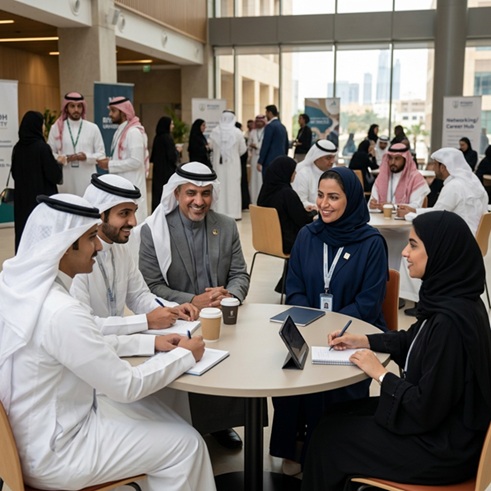
A Guide for Universities on Organizing Professional Networking Events That Shape Students’ Futures
Educational institutions today face a challenge that extends far beyond the classroom and theoretical curriculum development; a university’s effectiveness is now measured by its ability to prepare students for the job market and provide them with clear career pathways. The gap between academic life and professional reality can often discourage recent graduates. This is where higher education and alumni networking events play a crucial role, acting as a strategic bridge that guides students from academic passion to professional practice.
Organizing professional events is no longer a luxury or a peripheral student activity; it is a strategic asset through which universities enhance their reputations, boost graduate employment rates, and build a sustainable community of partnerships. This guide aims to provide universities, educational institutions, and alumni associations with a comprehensive overview of how to design innovative networking events that deliver tangible impact.
Related Article: A Guide to Managing University Event Budgets
Speed Mentoring Sessions: Condensing Experience and Broadening Horizons
Speed mentoring sessions are among the most effective tools for directly connecting students with real-world professional experience. This event relies on a dynamic model that gives students the opportunity to interact directly with a number of alumni and professionals within a very short timeframe.
Operational Mechanism and Organization: 5 Sessions in One Hour
The concept is based on facilitating something akin to “professional speed dating”; Each alumnus or mentor sits at a dedicated station, while students rotate among them—either individually or in small groups—for 10- to 12-minute sessions. In just one hour, a student can meet five alumni from diverse sectors and fields.
Direct Benefits for Students
- Breaking Down Barriers: The event’s fast-paced nature helps reduce social anxiety and trains students to deliver their “elevator pitch” with confidence.
- Diverse Perspectives: Students receive varied advice on career paths, required skills, and market challenges based on real-world experiences.
- Expanding Networks: Students leave with direct connections to professionals who can offer future guidance.
Steps for Successful University Organization
- Advance Preparation: Identify specific fields of specialization and recruit mentors who offer the professional diversity that aligns with student aspirations.
- Student Preparation: Conduct a brief pre-event workshop to develop skills in asking insightful questions and taking quick notes.
- Precise Time Management: Use audio or visual signals to manage smooth transitions between stations without wasting time.
Interactive Career Fairs: Moving from Collecting CVs to Direct Experiences
Traditional career fairs have seen a decline in impact; they often devolve into mere collection points for paper CVs, lacking genuine interaction. Today’s generation requires more effective models rooted in “interaction and experience.
Shifting Toward “Mini-Interaction Workshops”
Instead of relying solely on traditional exhibition booths, the university can restructure the career fair to include spaces for interactive activities and problem-solving:
- Real-World Work Challenges (Micro-Challenges): Participating companies present a specific, small-scale problem related to their operations, and students are invited to solve it in small groups within a 20-minute timeframe. This allows company representatives to directly assess students’ critical thinking, teamwork, and problem-solving skills.
- Simulation and Skill-Building Workshops: Dedicating specific areas for on-the-spot CV reviews (“CV Clinics”) and mock interviews that provide students with immediate feedback.
- Panel Discussions: Hosting business leaders to discuss future industry trends, thereby giving students a deep understanding of shifts within the field.
Benefits for Employers and the University
These events enable companies to discover promising talent based on practical performance rather than just paper qualifications. Simultaneously, the university solidifies its position as a key partner to public and private sector organizations in supplying skilled talent.
The Power of Alumni Networks (Alumni Gatherings): Building a Sustainable Community for Support and Empowerment
Alumni associations represent a strategic asset and a valuable resource for any educational institution striving to build a prestigious reputation and achieve lasting impact. Investing in nurturing this network and activating its developmental role does more than just provide mutual benefits to the alumni themselves; it serves as a fundamental pillar and the backbone of support for new generations of students joining the university.
When a university successfully transforms its relationship with alumni—moving beyond a mere academic memory that concluded with the receipt of a degree into a vibrant community of opportunity and mutual empowerment—the impact is immediately felt in the learning environment. Current students gain access to an extensive professional safety net comprising experts and mentors across various sectors. This network opens doors to field training, provides early employment opportunities, and offers realistic insights into labor market shifts. This not only boosts students’ self-confidence and saves them years of trial and error but also turns the academic association into a living community that ensures sustained success and the intergenerational transfer of expertise.
How can a university build an effective alumni community?
- Periodic Reunions and Networking Nights: Organizing annual and regular gatherings that blend social and professional elements; this fosters alumni loyalty to the university and encourages them to contribute to supporting current students.
- Professional Mentorship Programs: Launching formal programs that pair final-year students with experienced alumni in the same field for guidance throughout the academic year.
- Providing Internship Opportunities: Encouraging alumni in leadership positions to allocate summer internships or early employment opportunities specifically for students from their alma mater.
Sustainability and Academic Impact
When graduates feel they are part of a constantly evolving community, they become more committed to sharing their expertise and mentoring new talent. This integration helps enhance the quality of educational outcomes and allows for curriculum updates based on continuous feedback from the field.
Executive Guide for Universities: Steps to Launch a Successful Networking Event
Planning and Preparation Phase
This phase serves as the cornerstone of the event’s overall success. It begins with precisely defining the objectives—such as boosting student employment rates or expanding the university’s network of strategic partnerships. This requires clearly identifying target student groups based on their majors and academic standing, while simultaneously pinpointing the alumni and entrepreneurs best suited for engagement. Next, direct and effective communication channels are established with corporate partners and professional associations to understand actual labor market needs, align them with the event’s outcomes, and comprehensively finalize participation details and requirements for all parties well in advance.
Implementation and Logistics Phase (Facilitation)
This phase marks the practical launch of the event on campus, focusing on the on-the-ground execution of the approved interactive framework. Activities include organizing “speed mentoring” tracks and facilitating movement between stations, as well as managing “micro-workshops” and “problem-solving simulation” exercises. This phase relies heavily on precise logistical management—ranging from the setup of venues and interactive spaces to the configuration of audio-visual technology—and on strict time management. Rigorous scheduling ensures smooth traffic flow and productive interaction among students, mentors, and corporate representatives, guaranteeing that every participant derives maximum value without confusion or wasted time.
Follow-up and Impact Phase (Sustainable Evaluation)
The event does not conclude simply when participants leave; instead, this pivotal phase begins, focusing on measuring real-world impact and the extent to which established objectives were met. This process involves gauging satisfaction levels and impressions by distributing and analyzing specialized surveys for students, alumni, and representatives from participating organizations and companies to identify strengths and areas for improvement. Furthermore, the university’s role extends to tracking tangible medium-term outcomes—such as the number of key job interviews, internship opportunities, and actual employment contracts resulting directly from the event. This provides quantitative evidence of the event’s effectiveness and facilitates the continuous improvement of future editions.
Read more about evaluating the success of academic events in universities.
Conclusion
Investing in academic and university networking events is a direct investment in the students’ future and the reputation of the educational institution. Transitioning from traditional event formats to interactive models—such as speed-mentoring sessions and experience-based career fairs—supported by a strong, sustainable alumni network, ensures the gap between education and the labor market is narrowed and fosters a generation ready to compete and innovate.


Comments