
Benefits of Effective Event Planning
Benefits of Effective Event Planning
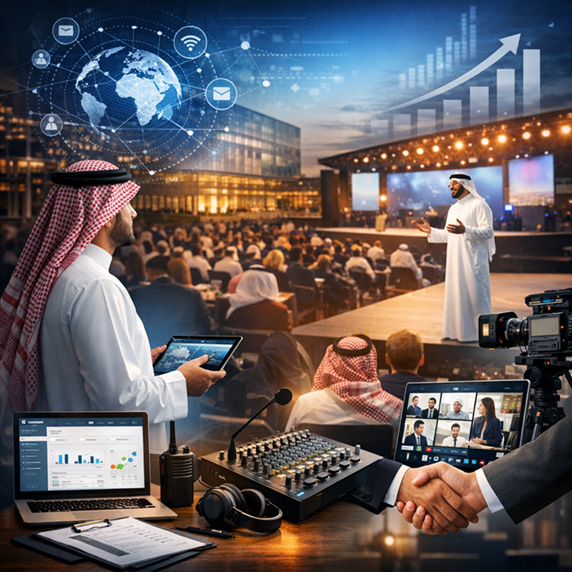
Effective planning is the backbone of any successful corporate event, serving as the bridge between initial vision and tangible results. By managing resources intelligently and leveraging modern technology, organizations can deliver interactive experiences that exceed attendees’ expectations and ensure the highest levels of security and quality. In the following sections, we will delve into the details of logistical management, the importance of speaker selection, and how to transform events into genuine platforms for growth and credibility.
Smooth Execution
A comprehensive event plan is fundamental to successful corporate event planning. It involves developing precise strategies for each stage of the event, ensuring smooth logistics and a memorable attendee experience. From pre-event marketing to post-event evaluation, every detail must be meticulously planned.
Allocating essential resources, including budget and skilled team members, is crucial for smooth execution. A cohesive team ensures that no aspect of the event is overlooked, contributing to its overall success.
Integrating event management technologies can enhance smooth execution. Event management platforms automate processes, manage guest lists, and provide real-time data for informed decision-making. This technology-enabled flexibility increases the efficiency and adaptability of the execution process.
Cost Optimization
Strategic event planning plays a pivotal role in achieving cost efficiencies without compromising the quality of your company’s events. Through careful analysis and resource allocation, you can ensure that every aspect of the event is executed efficiently while maximizing impact.
Enhanced Attendee Experience
Thoughtful planning considers the needs and preferences of attendees, resulting in a memorable and enjoyable event experience. For example, at on-site events, integrating badge scanning eliminates long queues for entry, reducing friction and delays. Similarly, incorporating innovative communication features, such as intelligent matchmaking, ensures that attendees spend their time interacting exclusively with individuals they find relevant and engaging. This approach enhances the overall experience, making the event memorable and enjoyable for attendees.
Increased Return on Investment (ROI)
Good event planning considers all aspects, from brand awareness and ticketing to attendance and sponsorship. By aligning event objectives with business goals, companies can measure their success through tangible results, justifying the investment.
Positive Brand Image
Organizing a professional event reflects positively on the company and enhances its reputation and credibility among attendees and the industry as a whole.
Event Logistics Management
Event planning requires meticulous management of various logistical aspects to ensure smooth and successful execution. Whether it’s managing corporate meetings or conferences, mastering logistics makes all the difference. In this section, we’ll review the essential elements of event logistics that are crucial for the smooth execution of corporate events.
Event Registration and Ticketing
The first step in organizing a corporate event is establishing a seamless and efficient registration and ticketing system. An easy-to-use registration platform allows attendees to register easily by providing basic information such as name, email address, company, and any special preferences. Offering early bird discounts and tiered pricing options encourages early registration and increases attendance. Efficient ticketing processes not only streamline attendance management but also facilitate event metric tracking for future planning.
Audiovisual and Technical Requirements
Corporate events often require sophisticated audiovisual and technical solutions to effectively engage participants, whether the event is held in person or virtually.
In virtual events, live streaming platforms and virtual event tools are essential for connecting remote attendees with event content and speakers. High-definition audio and video equipment ensures clear communication and immersive experiences that capture the audience’s attention.
Live Streaming Tools and Virtual Events
With the rise of remote work and the ease of access to virtual events globally, live streaming has become a key service for corporate event organizers. Live streaming allows companies to reach a wider audience, including remote employees, customers, and partners, ensuring maximum interaction and engagement.
Virtual event tools, such as interactive chat rooms, Q&A sessions, and virtual networking spaces, enhance real-time interactions, mimicking the experience of in-person events.
Interactive Features and Engagement Enhancements
Interaction is a key element of successful corporate events. Integrating interactive elements, such as live polls, surveys, and interactive sessions, encourages active participation and captures audience attention. Engaging attendees through interactive elements not only enhances the event experience but also provides valuable insights into participant preferences and opinions.
Accommodation and Transportation Arrangements
For corporate events that require attendees to travel, coordinating accommodation and transportation arrangements is crucial. Coordinating travel for attendees at large corporate events can be complex, so you can consult with delegation management experts to help you with the process.
Booking rooms in nearby hotels or providing recommendations on accommodation options ensures convenience for out-of-town guests. Providing transportation to and from the event venue ensures a smooth and hassle-free experience, allowing participants to focus on the event’s main objectives.
Tip: You can ask attendees to agree to these arrangements made during online registration to help track the number of people who will require transportation and accommodation.
Event Safety and Security Measures
Implementing comprehensive safety protocols and contingency plans is crucial to protecting both attendees and staff. Whether organizing an in-person or hybrid event, conducting thorough risk assessments and collaborating with dedicated security teams establishes a safe environment for all participants.
In the realm of virtual events, cybersecurity measures are paramount. These precautions are essential not only for protecting sensitive data but also for mitigating potential threats and ensuring the security of the digital environment. Adherence to data protection regulations underscores our commitment to providing a secure and privacy-conscious event experience for everyone.
Speaker and Presenter Engagement
Selecting talented speakers and presenters who can engage the audience, provide valuable insights, and align with the overall event objectives is a key aspect of successful corporate event planning. The right speakers elevate the event, leave a lasting impression on attendees, and contribute to its overall success.
Selecting and Choosing Keynote Speakers or Presenters
One of the most important tips for planning corporate events is choosing the right speakers. Speakers set the tone for the event, and if they deliver impactful sessions, the audience will enjoy the experience.
However, selecting and choosing keynote speakers or presenters requires careful consideration and thorough research. Event organizers should begin by identifying the themes and topics they want the event to focus on. Once the event’s objectives and themes are clear, they can start searching for potential speakers with experience in relevant fields.
Experience and Relevance
Selected speakers should possess in-depth knowledge and experience in their areas of expertise. Their content should align with the event’s main themes and address the interests and challenges of the target audience.
Speaker Reputation and Track Record
Assessing the reputation and past performance of potential speakers is crucial. Look for speakers who have delivered engaging presentations in the past and received positive feedback at previous events.
Connecting with the Audience
A skilled speaker can connect with the audience on a personal level. Therefore, it is advisable to select speakers who not only share valuable insights but also inspire and engage the audience throughout their presentations.
Negotiating Speaker Contracts and Fees
After selecting the ideal speakers, the next step is to negotiate the terms of their participation. This includes discussing their fees, travel expenses, accommodation requirements, and any additional requests they may have. Here are some key points to consider during the negotiation process:
Budget Considerations
Speaker fees and expenses must align with the event budget. While attracting high-profile speakers can be tempting, it is essential to find a balance that fits within the allocated resources.
Exchanging Value
Highlight the benefits of speaking at corporate events, such as access to a relevant audience, networking opportunities, and potential future collaborations. Sometimes, speakers may be willing to negotiate their fees if they see value in participating.
Ensuring Speaker Topics Align with Event Objectives
It is crucial to ensure that the topics chosen by speakers align with the overall objectives and themes of the event. The content presented should be valuable, useful, and relevant to the audience. To achieve this alignment:
A Collaborative Approach
Communicate openly with selected speakers to understand their proposed topics and how they relate to the event objectives. Collaborate with them to refine and adapt their presentations accordingly.
Content Review
Request an outline or summary of the speaker’s presentation in advance to ensure it aligns with the event’s content requirements. Provide feedback and suggestions, if needed, to ensure the content is tailored to the desired outcomes.
Preparing Speakers for a Successful Presentation
As the event approaches, it’s essential to prepare speakers to deliver their presentations effectively. Proper preparation boosts their confidence and contributes to the overall success of the event. Here are some steps to ensure they are ready:
Communication and Briefing
Maintain regular communication with speakers, providing them with essential event details such as the agenda, audience demographics, and logistical information. Offer support and answer any questions or concerns they may have.
Rehearsals and Assessments
Conduct rehearsals with speakers to refine their presentations. Provide constructive feedback to improve their performance, timing, and audience engagement. By investing time in working with speakers to coordinate and prepare their content, corporate event organizers can ensure they have exceptional speakers who contribute significantly to the event’s success. Skilled speakers not only enrich the audience experience but also enhance the overall impact and reputation of the corporate event.
Read also: The Foundations of Speaker Selection for Conferences, Seminars, and Various Events
Conclusion
Your Vision, a Reality We Craft with Mastery: Transforming theoretical planning into a seamless and professional reality is what distinguishes successful events from others. At Alwofod Establishment, we understand that small details make all the difference. Therefore, we offer you our comprehensive expertise in logistics management, the use of cutting-edge audiovisual technologies, and ensuring the highest standards of security and safety. We don’t just organize an event; we design an exceptional experience that enhances your brand image and guarantees the highest return on investment. We are committed to providing all the services mentioned in this article to the highest international quality standards, making us your ideal partner for success.


Comments