
Communication and Interaction Strategies for Successful Medical Conferences
Communication and Interaction Strategies for Successful Medical Conferences
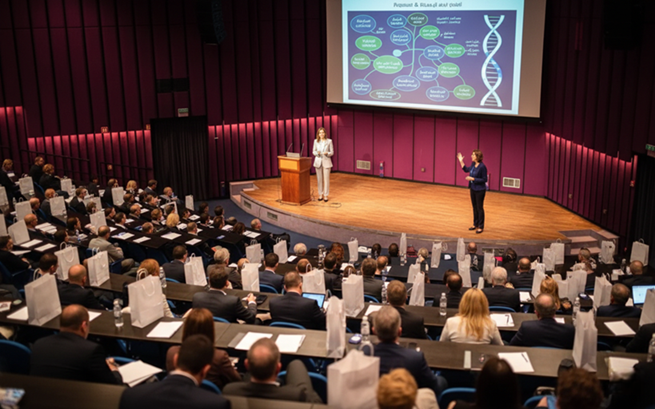
Effective communication and interaction strategies are crucial to the success of medical conferences. These strategies not only foster relationships among attendees but also enhance the overall experience, making it more memorable and impactful.
Effective communication and interaction strategies are crucial to the success of medical conferences. These strategies not only foster relationships among attendees but also enhance the overall experience, making it more memorable and impactful. The Importance of Attendee Engagement
Attendee engagement refers to the level of interest and active participation shown by guests from the moment they are invited until the end of the event. Engaged attendees are more likely to build fruitful relationships and contribute insights that will have a lasting impact long after the event concludes. By Integrating Engagement
Using interactive elements such as live polls, Q&A sessions, and personalized content, organizers can transform passive attendance into active participation, significantly enhancing attendee satisfaction and event outcomes.
- Networking Opportunities: Organizing dedicated networking events, such as coffee breaks or informal networking sessions, can enhance audience engagement and facilitate deeper connections between professionals in similar fields.
- Virtual and Hybrid Options: For those unable to attend in person, providing high-quality virtual platforms ensures effective participation from remote attendees. Interactive features, such as augmented reality (AR) product demonstrations, further enrich their experience and expand the event’s reach.
Post-Event Follow-Up
Continuous follow-up after the conference is essential to maintain engagement. Emails such as “We missed you” or “Thank you for attending” can be used to reignite interest and maintain momentum for future interactions.
By analyzing engagement metrics from the event, organizers can gather valuable insights to improve subsequent conferences, ensuring that attendees’ preferences and needs are consistently met.
Read also: Steps to Organizing Medical Conferences
Post-Conference Activities
Post-conference activities are crucial for evaluating the event’s success, gathering feedback, and laying the groundwork for future conferences. These steps include documenting lessons learned and maintaining relationships with participants.
Data Analysis
One of the first steps after the conference is analyzing the collected data. This includes reviewing registration numbers, attendee demographics, and feedback gathered through surveys or evaluations. The insights gained can improve the planning and execution of future events, helping to identify strengths and areas for improvement. Summarizing the key takeaways and action steps in a comprehensive report provides a roadmap for future conferences.
Post-Conference Review
Conducting a thorough post-conference review with the planning committee is essential. This discussion should focus on successes, challenges encountered, and opportunities for improvement. By incorporating feedback and lessons learned, planners can enhance the overall attendee experience and maximize the impact of subsequent medical conferences.
Attendee Feedback
Gathering and analyzing attendee feedback is a crucial part of this process. This feedback not only helps identify positive aspects but also highlights areas that may require adjustments in future events. Applying audience suggestions demonstrates our appreciation for their opinions and encourages their future participation.
Communication
Sending thank-you messages to speakers, sponsors, exhibitors, and attendees is a valuable practice for expressing our gratitude for their contributions and participation. This personal touch fosters positive relationships and may encourage continued collaboration.
Follow-up Communication
Follow-up emails should be sent to participants, including conference materials, presentation slides, and links to recorded sessions. Maintaining open communication channels facilitates ongoing interaction and paves the way for future collaborations. Online survey tools can be used to streamline feedback collection and ensure valuable information is gathered efficiently.
Documentation and Reporting
Finally, compiling all conference materials into a comprehensive report is essential for future reference. This includes collecting presentations, session recordings, photos, and attendance lists. A detailed post-conference report that evaluates performance against predefined SMART objectives can help teams understand overall effectiveness and identify areas for improvement.
By effectively managing these post-conference activities, organizers can significantly enhance the impact of their medical conferences and ensure continued growth and development in future events.
Budget and Costs
Venue Selection
Adhering to the conference budget is crucial to avoiding financial difficulties. Event organizers should obtain detailed quotes that include all venue-related fees, such as insurance, equipment rental, and any additional services.
Negotiation and Contract Signing
Once a venue is selected, effective negotiation can help secure favorable terms. Organizers should inquire about the services included in the rental cost, cancellation policies, and any restrictions related to hospitality or decor before signing contracts.
By carefully considering these factors and procedures, conference organizers ensure they select a venue that fosters interaction, supports logistical efficiency, and aligns with the overall objectives of the event.
Setting Goals
Developing an effective program begins with setting clear objectives that adhere to the SMART criteria: Specific, Measurable, Achievable, Relevant, and Time-bound. It is essential to align these objectives with stakeholder expectations to ensure the program achieves its intended purpose. In addition, using Bloom’s taxonomy can help in classifying the educational activities to clarify learning objectives across cognitive and affective domains.
Committee Formation and Topic Selection
A program committee comprised of experts in the relevant medical field should be formed to ensure scientific integrity and quality. This committee is responsible for identifying the main topics and themes based on the meeting objectives and then initiating a call for abstracts to invite physicians and researchers to present their original research.
Speaker Recruitment and Management
After the topics are identified, prominent speakers and thought leaders are invited to present their research and insights. Managing speaker invitations, travel arrangements, and presentation materials is crucial. Clear communication with speakers ensures their full readiness and support throughout the event. It is important to confirm their expenses and finalize contracts well in advance.
Program Structure and Timetable Development
Developing a detailed conference timetable is essential. This timetable should include keynote sessions, breakout sessions, workshops, and networking events, all coordinated to provide a balanced and engaging program.
The committee should work closely with the speakers to finalize session topics and formats, ensuring that all elements contribute effectively to the overall program.
Evaluation Mechanisms
Designing evaluation mechanisms is crucial for assessing the program’s success. Common evaluation methods include assessment forms, self-assessments, questionnaires, and direct feedback, which help determine the program’s effectiveness in addressing learning gaps.
Communication and Planning
Communicating the program’s objectives and materials to learners is essential. A well-organized environment enhances the learning experience, and it is advisable to plan the program details in advance, allowing for necessary adjustments before the event. This planning should also include strategies for managing unforeseen events, such as technical issues or scheduling delays.
Marketing and Promotion
Effective marketing and promotion are critical elements for the success of medical conferences. Even the most meticulously planned event will struggle to attract attendees without a robust marketing strategy.
Branding and Marketing Messages
Developing a strong brand identity for the conference is essential. This includes designing a logo, defining a color scheme, and crafting consistent marketing messages that highlight the event’s unique value. A compelling brand helps differentiate the conference in a competitive environment. Marketing Channels
Using a multi-channel marketing approach is vital to reaching the target audience. Researching where potential attendees might interact can help focus resources effectively. Common channels include the conference website, social media platforms, and email newsletters. A strategic mix of these channels can boost awareness and increase registrations.
Initial Communication
Getting initial contact with keynote speakers and industry leaders is crucial to ensuring high-quality presentations. Early engagement with potential keynote speakers can gauge their interest and availability, while also highlighting the benefits of their participation. Simultaneously, building relationships with potential sponsors can lead to valuable partnerships and sponsorship commitments that align with their marketing objectives.
Promotional Strategies
Launching a comprehensive promotional campaign involves creating engaging content that informs and excites potential attendees. This may include email campaigns, targeted advertising, and interactive social media posts that inform attendees about what to expect at the conference. Additionally, clear and consistent communication with speakers ensures they are well-prepared, enhancing the overall quality of the conference.
Promotional Products
Integrating promotional products into your marketing strategy can significantly improve the attendee experience. Essential items, such as lanyards, badges, and conference memorabilia, not only facilitate communication but also reinforce the conference’s identity. These products are valuable tools for both attendees and sponsors, promoting the conference before, during, and after it takes place.
By prioritizing marketing and promotion, conference organizers can create a successful and memorable experience that attracts the target audience and builds a strong reputation within the medical community.
Registration Process
The registration process is a crucial element in organizing a successful medical conference, ensuring easy booking for participants. Effective registration management also enhances the attendee experience and streamlines the event’s logistics.
Registration Management
A user-friendly registration system is essential for managing attendance, payments, and badge printing. A complex registration process can deter some potential attendees, making it crucial to provide a simple and efficient system that accommodates different registration categories, including early bird discounts and group registrations.
Registration Desk
Establishing a well-staffed registration desk is critical for any event. This desk should facilitate check-in, distribute badges, and promptly answer attendee inquiries. A dedicated team ensures a smooth entry process and enhances the overall attendee experience.
Tiered Pricing Model
Using a tiered pricing model can be beneficial. Instead of a single registration fee, consider selling separate tickets for different conference events. This allows attendees to choose a base fee that covers all sessions, with additional options for workshops, social events, and meals. This flexibility helps attendees tailor their experience to their needs and budget.


Comments