
Considerations for Choosing the Right Venue for Outdoor Events
Considerations for Choosing the Right Venue for Outdoor Events
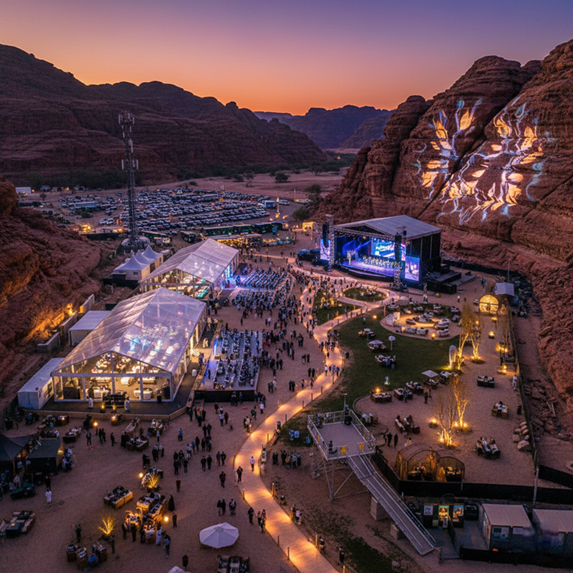
Choosing the right outdoor venue is the cornerstone upon which all subsequent details are built. It is not merely a geographical space, but rather the framework that defines the nature of human and professional interaction. The transition from enclosed halls to open spaces requires a strategic vision that transcends visual aesthetics, encompassing a meticulous study of the event’s identity and ultimate objectives. In outdoor events, the venue itself becomes a “visual language” that speaks for the organizers, where the harmony between the surrounding nature and modern facilities contributes to creating a state of complete immersion for the attendees. With the global trend towards unique experiences, outdoor venues offering natural views or historical landmarks have become the preferred choice for large companies and institutions, as they break the monotony of routine and open wider horizons for creativity. This necessitates that organizers balance the allure of the location with the complex operational requirements that ensure the event runs smoothly without technical or logistical obstacles that could compromise the experience.
Infrastructure and Integrated Technology Systems
The technological infrastructure at outdoor venues is the biggest challenge facing organizers, as it often requires creating a digital and electrical work environment from scratch. This process begins with designing a complex power grid based on silent, high-performance generators to ensure uninterrupted lighting and sound systems without any noise that could compromise the event’s quality. Precise distribution of electrical loads is also crucial to prevent any unexpected outages. This focus extends to the digital infrastructure, where Wi-Fi is no longer just an added service but a lifeline for modern events that rely on live streaming and real-time interaction via social media platforms. This necessitates the installation of temporary signal boosters and the use of fiber optics to guarantee high-speed internet access for thousands of simultaneous users. Furthermore, it requires the development of technological platforms that integrate physical and virtual attendance into a seamless hybrid environment, enabling the outdoor venue to rival the most advanced smart venues in terms of efficiency, speed, and technical reliability.
Read also: The Best Outdoor Venues for Events in Riyadh
Access Engineering and Transportation Logistics Solutions
The experience of reaching the event venue is the first test of organizational success. Traffic congestion and long distances can lead to attendees feeling dissatisfied even before the event begins. Accessibility engineering requires a comprehensive study of the road routes leading to the venue and the provision of integrated transportation solutions, including shuttle services from city centers or major hotels. It also necessitates allocating ample and organized parking spaces that utilize smart entry and exit management systems. Furthermore, smart transportation services and ride-sharing applications must be integrated into the logistics plan by providing clearly marked and well-equipped pick-up points. Interactive and visual signage is essential, starting from the first few kilometers leading to the venue. Smooth traffic flow extends beyond vehicles to include crowd management within the venue itself. This ensures guests can move easily and smoothly between different event platforms while adhering to the highest safety and security standards. This guarantees efficient and orderly evacuation in emergencies, enhancing the organizer’s reputation as an entity that prioritizes the safety and comfort of its guests.
Inclusivity and Accessible Environment Design
Committing to universal accessibility standards for people with disabilities and the elderly at outdoor venues is both an ethical and legal obligation that reflects the organization’s commitment to excellence. Open-air venues require extra effort in this regard, given the nature of the terrain, which may be sandy, grassy, or uneven. This necessitates the construction of solid, safe pathways and the use of internationally compliant ramps at all entrances and facilities. It also includes providing dedicated viewing platforms to ensure everyone is included in the event with the same level of accessibility and distributing well-equipped restrooms near key gathering areas. Comprehensive design extends beyond the physical aspects to include sign language and supportive audio systems, making the outdoor event an inclusive environment for all. This contributes to raising the event’s rating both locally and internationally and achieves the goals of sustainable development and social responsibility that major institutions strive for in our time.
Space Flexibility and Functional Allocation Challenges
Outdoor venues offer exceptional flexibility, allowing organizers to reshape the geographical space to suit the size and type of event, whether it be an international conference, an art exhibition, or a major celebration. These open spaces allow for the construction of stunning temporary structures, such as transparent tents and mobile halls, which can be functionally customized and seamlessly divided into reception areas, panel discussions, and hospitality spaces. However, this flexibility presents challenges related to operational costs and lease agreements. Organizers must understand the diverse pricing models, which may be based on the number of hours or the total area, and must establish robust legal contracts that clearly define the responsibilities of all parties regarding maintenance, restoration, and return to the site’s original condition. The ability to transform a vacant lot into a fully-fledged events city in record time reflects the efficiency of the team and their ability to leverage the site’s features to realize the client’s vision and exceed their expectations in terms of both design and functionality.
Climate Adaptation and Environmental Variables Management
The climatic fluctuations in Saudi Arabia, ranging from high summer temperatures to extreme cold and wind in winter, are among the most important factors that must be thoroughly considered when selecting outdoor venues. Organizers must adopt advanced microclimate management strategies for the event, utilizing cooling systems such as in hot weather, misting systems, massive evaporative coolers, and jet fans in hot essential, while in colder seasons, innovative outdoor heating solutions and windbreaks are provided. Beyond thermal comfort, it’s crucial to obtain the necessary permits from Civil Defense and Meteorology, and to develop contingency plans (Plan B) that include covered areas or tents capable of withstanding high winds and sudden downpours. Engaging professional meteorologists and event organizers minimizes environmental risks, protecting the event’s financial investment and ensuring its continued success regardless of external weather conditions, reflecting a high level of professionalism in crisis management.
Read also: The Best Outdoor Venues for Events in Jeddah
Environmental Sustainability and Site Responsibility
With the growing focus on sustainability within Vision 2030, integrating environmentally friendly practices into outdoor events has become essential for preserving the natural resources and aesthetic appeal of venues. This includes using local and sustainable building materials for stage construction, relying on energy-efficient LED lighting systems, and reducing reliance on single-use plastics in the hospitality sector. A sound waste management plan must be in place, including sorting at the source and contracting with specialized recycling companies to ensure no negative impact is left on the site after the event. Respecting the surrounding environment, whether desert, coastal, or mountainous, enhances the event’s value and attracts environmentally conscious groups. It also contributes to building a positive reputation for organizers as responsible partners in urban development. Balancing guest comfort with preserving the site’s environmental integrity is a contemporary challenge that determines the maturity of the events industry in the region and its ability to continue delivering world-class experiences.
The Cultural and Economic Dimensions of Outdoor Venues
Outdoor venues in Saudi Arabia represent a cultural showcase reflecting the Kingdom’s rich heritage and rapid urban development. These locations are transformed into global platforms that highlight the region’s beauty and history. Economically, these events contribute to boosting local tourism and creating diverse job opportunities in logistics, hospitality, and technology, making venue selection a significant economic decision that extends beyond the event itself. Utilizing open spaces allows for the presentation of stunning visual displays based on projection (mapping) onto natural landmarks, creating a unique visual identity that remains etched in the memories of both international and local visitors. In conclusion, the combination of breathtaking natural beauty, cutting-edge technology, and professional logistical management ensures the Kingdom’s continued position as a leading destination for hosting major events, where climatic and environmental challenges are transformed into opportunities for innovation and excellence. This underscores that location is not merely a backdrop for an event, but rather the essential element that distinguishes an ordinary event from an exceptional one that inspires the world.


Comments