
How to Plan Catering for Corporate Events
How to Plan Catering for Corporate Events
Corporate catering planning refers to the strategic coordination of food and beverage services tailored to various business gatherings, such as conferences, executive meetings, networking events, and product launches. Catering in these contexts is crucial not only for guest satisfaction but also for enhancing the overall experience and event success. The ability to provide appropriate food options that accommodate dietary restrictions and preferences can significantly impact attendee engagement and the event’s professional image.
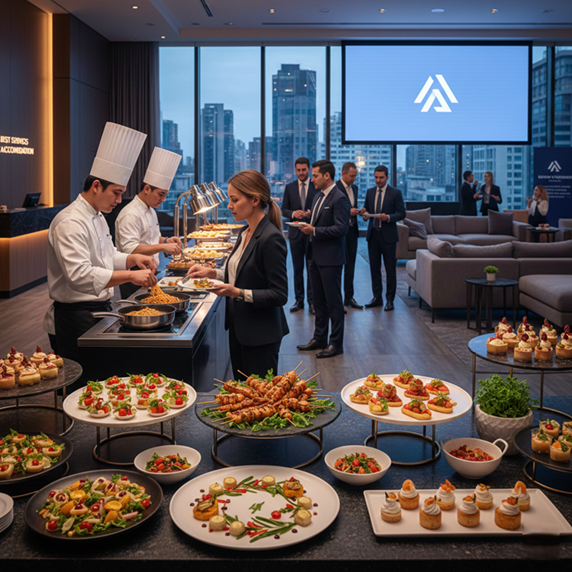
Corporate events vary considerably in format and purpose, necessitating a different approach to catering. For example, formal executive meetings typically require served meals to maintain order, while networking events benefit from informal food stations that foster interaction.
Key Considerations in Catering Planning
When planning catering for corporate events, several key factors must be carefully considered to ensure a successful experience for all attendees.
Understanding Your Event’s Needs
Before selecting a catering service, it is essential to define the specific needs of your event. This includes determining the type of event, the expected number of guests, and the overall atmosphere you wish to create. Setting a realistic budget is a crucial step in this process, allowing you to prioritize value and quality while exploring the various pricing models offered by catering services, such as per-person rates or fixed-price packages.
Effective communication with clients regarding budget constraints can simplify decisions about food and beverage options, as some service styles may align better with available funds.
Menu Selection
A well-thought-out menu is essential for enhancing guest satisfaction. When planning the menu, it’s advisable to offer a variety of options that consider common dietary restrictions and preferences among attendees. A balanced menu should include meat options, as well as vegetarian alternatives, to ensure everyone feels satisfied and included. Gathering dietary information from attendees beforehand is recommended to facilitate informed decision-making and ensure all dietary restrictions are taken into account.
Catering Staff Efficiency
The efficiency of catering staff plays a critical role in overall service quality, especially during high-capacity events. Implementing comprehensive training programs and incentive systems can significantly improve staff performance, ensuring they are well-prepared to handle various scenarios that may arise during the event. Assigning team leaders to specific roles streamlines operations and improves accountability, leading to smoother execution of the catering plan.
Logistics and Budget Governance
Logistics planning is integral to the successful implementation of catering services. This includes securing venues, arranging transportation, and managing the equipment necessary for catering operations.
Budget management is a top priority. Effective management of logistics-related costs—such as delivery fees, service charges, and rental costs—prevents overspending and unexpected surprises. It is also advisable to allocate a contingency fund within the budget to address unforeseen challenges.
With these key considerations in mind, event organizers can create a memorable dining experience that caters to all guests while remaining within budget and logistical constraints.
Read also: Modern Catering Ideas for Events
Menu Planning
Effective menu planning is essential for the success of corporate events. It reflects the company’s identity and values while simultaneously addressing the diverse tastes and dietary needs of attendees. A well-organized menu not only showcases creativity but also enhances the overall guest experience, ensuring everyone leaves satisfied and fulfilled.
Understanding Your Audience
Before finalizing your menu, it’s essential to understand your audience’s preferences. Consider conducting surveys to determine if guests are adventurous eaters or prefer classic dishes. This information allows you to create a tailored menu that caters to diverse tastes, fostering satisfaction and engagement throughout the event.
Dietary Preferences and Restrictions
With the vast diversity of restaurants today, catering to different dietary needs is crucial. This includes offering vegetarian and gluten-free options. By providing a variety of choices, you demonstrate inclusivity and care for all guests, ensuring a safe and enjoyable dining experience for everyone.
Clearly labeling dishes containing allergens is also vital, as 42% of survey respondents found this to be the most helpful feature on the menu.
Incorporating Local and Seasonal Ingredients
Using local and seasonal ingredients not only supports local farmers but also ensures fresh and delicious dishes. Seasonal produce enhances flavor and nutritional value, while highlighting local flavors adds a unique touch to the menu. This practice contributes to a memorable dining experience and strengthens connections with the region and its culinary heritage.
Adding Interactive Food Stations
Interactive food stations are becoming increasingly popular at corporate events, allowing guests to personalize their meals. Options such as a DIY taco corner or a gourmet salad bar not only make the dining experience more personalized but also encourage interaction among attendees as they prepare their dishes.
Balanced and Themed Menus
Creating a balanced menu that includes a variety of appetizers, main courses, sides, and desserts ensures there are options to suit everyone. Offering familiar dishes alongside unique choices helps keep guests satisfied while also providing opportunities to explore new perspectives.
Exploring the culinary arts. Choosing a central theme guides menu selections and helps caterers organize and focus their efforts while ensuring variety.
Portion Sizes and Waste Reduction
Portion sizes are crucial when planning the menu. Ensuring sufficient portions to satisfy guests while minimizing waste is essential for efficient catering. Careful planning helps avoid food shortages or over-orders, contributing to a smooth event and enhanced overall satisfaction.
Environmentally Friendly Practices
Integrating environmentally friendly practices into corporate catering demonstrates a commitment to sustainability. This includes using biodegradable or reusable serving utensils, donating leftover food, and collaborating with caterers to reduce waste through appropriate portion sizes and composting initiatives.
These practices not only minimize environmental impact but also positively influence attendees who appreciate corporate social responsibility. By carefully considering these elements in menu planning, corporate event organizers can create a memorable and satisfying dining experience that aligns with their event objectives and audience expectations.
Conclusion
The success of any corporate event, from a high-level executive meeting to a massive multinational conference, hinges on meticulous attention to detail, including food quality, comfortable accommodations, and seamless organization. We have demonstrated that catering planning is both a science and an art, requiring expertise in audience analysis, budget management, and a commitment to sustainability and inclusivity.
However, the complexity of securing suitable accommodation (hotels), providing exceptional hospitality (catering), and managing all the interconnected logistics presents a formidable challenge for any single organizer. This is where we come in as your integrated partner. We don’t just provide catering services; we offer a unified strategic solution that efficiently integrates:
- Hotel Booking: Securing the best accommodations at competitive rates for delegates.
- Restaurant Booking for Guests: Designing innovative menus that adhere to the highest quality standards and dietary requirements.
- Event Management: Managing logistics to ensure seamless coordination between hotel staff and the catering team.
Let our team handle these three complexities, and you can focus your time and effort on achieving your event’s strategic objectives. Contact us today to plan your next corporate experience that will leave a lasting impression.


Comments