
Medical Conference Management: From Logistical Planning to On-the-Ground Execution
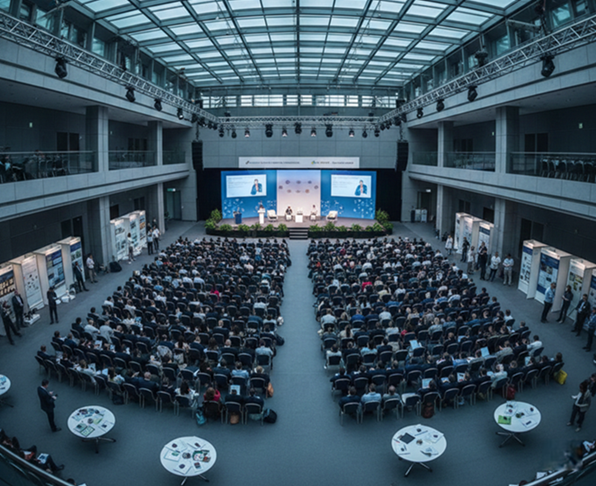
Medical Conference Management: From Logistical Planning to On-the-Ground Execution
Managing a medical conference is not simply a fleeting event; it is a complex scientific forum that requires a collaborative effort between logistical management and effective marketing and promotional strategies, which are essential for maximizing attendance and engagement. Organizers must utilize diverse channels and targeted messaging to attract the right audience, ensuring that the conference objectives align with attendees’ interests and professional development needs. Establishing a clear visual identity and message for the conference contributes to attracting medical professionals and investors in the healthcare sector.
However, organizing such conferences is not without its inherent challenges, demanding astute management. Disagreements often arise regarding speaker selection, balanced representation across different medical specialties, and the ethical implications of sponsorship and funding, all of which can affect the credibility of the conference content. Therefore, a clear ethical charter governing the relationship between sponsors and the scientific committee is crucial to guaranteeing the independence of the academic discourse.
Section 1: Logistics and Operations
Logistics and operations are two essential elements in organizing medical conferences to ensure the smooth and efficient execution of all aspects of the event. This section outlines best practices for managing logistics, from venue planning to speaker hosting and handling unforeseen challenges.
- Venue Selection and Professional Management Criteria: Choosing the right venue is crucial and has strategic dimensions that extend beyond mere space. The venue must be able to meet the specific needs of a medical conference, including privacy and accessibility for all attendees, especially those with disabilities. When selecting a venue, careful consideration must be given to factors such as the ability to maintain the confidentiality of medical discussions, manage competing events within the same center, and coordinate the movement of different groups to avoid conflicts between concurrent sessions. Furthermore, thoughtful physical arrangements, such as movable partitions and separate entrances for VIPs and speakers, can help ensure privacy, smooth flow, and prevent congestion in main corridors.
- Acoustic Engineering and Advanced Technical Solutions: The acoustics of the venue are among the most important considerations for any medical conference that relies on the accuracy of information transmission. Large, open spaces can produce unpleasant echoes that hinder the understanding of complex medical terminology during presentations. Therefore, using sound-absorbing fabrics, strategically placing speakers, and providing a sophisticated audio-visual system are essential to ensure clear communication during sessions. Engaging an experienced audiologist and a professional video service provider can help early on to meet complex technical requirements and ensure equipment compatibility with the specific needs of various presentations, whether high-definition surgical videos or 3D models requiring specialized graphics processing.
Read also: Steps for Organizing Medical Conferences
Section 2: Managing Speakers and Guests
Effective coordination with speakers is crucial to the success of the event, as the speaker is the face of the conference. This involves a complex logistical process that begins with confirming speakers’ expenses, arranging travel and accommodation in hotels near the venue, and ensuring all the technical needs of each presenter are met.
It is always advisable to provide a detailed program and inform speakers of any special requirements in advance, especially for speakers presenting sensitive topics in healthcare or clinical trials that may require special security or technical arrangements. The speaker’s comfort directly impacts the quality of their scientific performance in the hall.
Hospitality and Healthy Dietary Considerations: Catering is another vital logistical element that cannot be overlooked. Providing a variety of food and beverage options that accommodate different dietary restrictions (such as allergies or special dietary needs for physicians) enhances the overall attendee experience. Careful planning of meal service during breaks is essential, as networking and partnership-building activities often take place during these periods. Engaging reliable catering services early in the planning process ensures timely and high-quality food delivery throughout the event, adhering to global food safety standards.
Section 3: Field Management and On-Site Operations
Field management is a fundamental element of organizing a successful medical conference. Effective coordination and supervision during the event can enhance the experience for attendees, speakers, and vendors alike, creating a seamless and professional environment.
- Logistics and Prompt Support: One of the first steps in site management is ensuring that logistical support is readily available and continuous. Having a property manager who is familiar with every aspect of the venue can greatly assist in planning the overall layout and addressing any queries or construction issues that may arise during the event. In addition, ensuring that all vendors and suppliers (pharmaceutical companies, medical device suppliers) are present and ready to provide their services is essential to guarantee smooth and uninterrupted operations.
- Managing internal resources and services: Many event venues offer comprehensive internal services, such as luxury furniture rentals and high-end catering. It is important to verify the availability of essential elements such as comfortable chairs for extended sessions, tables with power outlets, and continuous refreshments, as well as assess the adequacy of these resources based on the expected number of attendees, the event’s duration, and timing. Having an on-site technical support team to address any audio, video, or Wi-Fi connectivity issues is also crucial for maintaining the conference’s momentum.
Read also: Communication and Interaction Strategies for Successful Medical Conferences
Section 4: Registration Systems and Crisis Management
Establishing a registration desk staffed with professionally trained personnel is crucial for managing attendee check-in and promptly addressing their inquiries. This team should also assist attendees with special needs and ensure that safety and emergency procedures are effectively communicated to all participants.
Emergency Planning and Problem Solving: It is essential to have proactive contingency plans in place to address registration-related issues, such as server outages or a sudden surge in unregistered attendees. Having a dedicated on-site technical support team enables the swift resolution of any technical problems that may arise during the registration process, preventing long queues.
When faced with major, unforeseen challenges, such as lost medical samples sent for presentation or sudden technical malfunctions in the main hall, quick thinking and a reliable support network are invaluable. Having a Plan B and established relationships with local service providers also helps resolve issues within minutes. Clear communication with all stakeholders, including venue staff and laboratory teams, is essential for managing logistics and avoiding last-minute panic.
Section 5: Final Preparations and Ongoing Evaluation
As the conference approaches, finalizing all logistical details becomes critical. This includes confirming staffing levels, training volunteers on protocols for interacting with physicians, and addressing any unforeseen schedule changes. Providing comprehensive logistical information, such as detailed room layouts and updated session schedules, ensures that all participants are fully prepared and the event runs exceptionally smoothly.
Monitoring and Evaluation for Sustainability: Throughout the event, real-time and continuous monitoring is essential to ensure everything proceeds according to plan. This includes close oversight of logistics, addressing any issues as they arise, and ensuring punctuality in session start and end times.
Following the conference, an equally important phase begins: post-event activities. These include professional cleaning, handing over the venue to administrators, and settling all outstanding payments to suppliers and staff. Gathering feedback from participants and stakeholders through detailed surveys is a crucial step in evaluating the success of an event and identifying areas for improvement. This feedback will inform future planning efforts and enhance the overall quality of subsequent conferences, ensuring their continuous improvement.
Conclusion
Ultimately, the successful organization of medical conferences requires meticulous planning spanning months, close collaboration among multidisciplinary teams, and a constant commitment to ethical considerations and the professional needs of attendees. By prioritizing these logistical, technical, and administrative elements, organizers can create impactful and sustainable events that genuinely contribute to the advancement of medical knowledge and foster professional growth within the global medical community.


Comments