
Steps for Organizing Medical Conferences
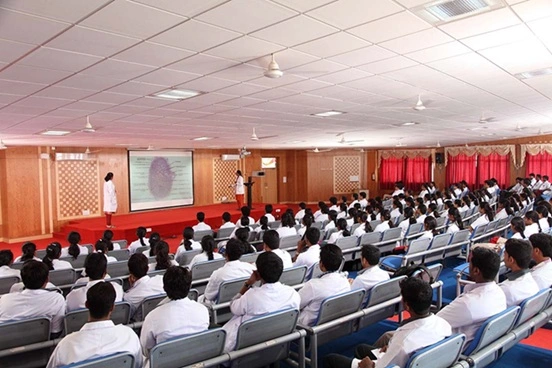
Steps for Organizing Medical Conferences
Organizing medical conferences involves a complex series of steps aimed at providing effective, educational, and engaging experiences for participants. This process begins with the pre-planning phase, where the conference objectives and target audience are defined. This is followed by the formation of a planning committee to oversee logistics, budgeting, and scheduling.
Effective planning is crucial, as the success of any medical conference depends on the accuracy of these early preparations, which lay the foundation for all subsequent activities. The importance of medical conferences extends beyond mere networking opportunities; they serve as vital platforms for disseminating new research, sharing clinical advancements, and fostering collaboration within the healthcare community. These events can influence clinical practice, guide healthcare policies, and contribute to shaping medical education curricula.
Pre-Planning Phase
The pre-planning phase is fundamental to organizing a successful medical conference. It includes several key steps to ensure clarity of purpose, stakeholder engagement, and comprehensive resource management.
Defining Objectives and Target Audience
The first step in the pre-planning phase is to clearly define the conference objectives. This involves clearly defining the meeting’s objectives, such as launching new guidelines, presenting groundbreaking research, or fostering specific collaborations. Understanding the event’s scope—whether regional, national, or international—and determining the size of the target audience are essential elements of this step.
After defining the objectives, organizers should gather information about the target audience, including understanding their demographics, professional backgrounds, unique challenges, and interests. Conducting surveys or focus groups can be helpful in gauging attendees’ preferences regarding session topics and networking opportunities. Engaging internal teams to leverage available data on the therapeutic landscape can further enhance this understanding and inform planning decisions.
Forming the Planning Team
After defining the audience and objectives, the next step is to form a dedicated planning committee. This core team should consist of individuals with clearly defined roles, including a project manager, logistics coordinator, marketing specialist, and finance manager.
Effective collaboration among team members and stakeholders is vital to ensure that all aspects of the planning process are covered and aligned with the conference objectives.
Budgeting and Financial Planning
Budgeting is a crucial aspect of the pre-planning phase. Organizers should develop a comprehensive budget that accounts for potential expenses, such as venue costs, speaker fees, catering, marketing, and other logistical needs. It is also important to identify revenue streams, including ticket sales and sponsorships, to cover these expenses. A sound financial plan not only anticipates costs but also sets realistic financial goals, including establishing a contingency fund for unforeseen expenses.
Scheduling the Event
Creating a detailed schedule is another essential pre-planning step. This schedule should outline key milestones and deadlines for tasks leading up to the event. By creating a dynamic document that evolves with the planning process, organizers can ensure that critical tasks are completed on time, facilitating a smooth workflow and effective project management.
Coordinating with Venues and Speakers
Early preparations should also include identifying potential venues and contacting potential speakers. Site visits allow the planning team to assess logistics and venue design, ensuring that the chosen location meets the conference’s requirements. In addition, having a pre-prepared list of preferred speakers—along with alternative options—allows the planning committee to adapt if any of the initially selected speakers are unable to attend.
The Planning Committee
A well-organized planning committee is crucial to the success of any medical conference. The committee’s primary role is to oversee all aspects of the conference planning process, from conception to execution.
Committee Formation
The first step in forming the planning committee is to recruit individuals with diverse skills and experience relevant to the conference objectives. This includes academic leaders to develop content, individuals with experience in finance and marketing, and logistics coordinators. It is also beneficial to involve a professional conference organizer (PCO) who can leverage their expertise and network to enhance the planning process. Ensuring that committee members understand their roles and responsibilities is essential for maintaining accountability and efficient workflow throughout all stages of planning.
Committee Member Responsibilities
Each member of the planning committee should be assigned specific tasks based on their strengths and experience. Common roles include Project Manager, Marketing Officer, Logistics Coordinator, Sponsorship Manager, and Speaker Coordinator. Clearly defining these roles helps streamline communication and ensures all aspects of the conference are adequately covered. Regular meetings should be held to discuss progress, address challenges, and ensure everyone adheres to timelines and objectives.
Strategic Recruitment
To build a strong committee, focus on strategic recruitment that reflects the conference’s target audience. Select members with experience in organizing medical events and who have a network that can be leveraged to secure sponsorships and speakers. A collaborative approach, which encourages committee members to contribute ideas and suggestions, fosters a sense of responsibility and contribution to the conference’s success.
Communication and Coordination
Effective communication is vital to maintaining the committee’s focus and momentum. Use project management tools to track tasks and deadlines, ensuring everyone is aware of their responsibilities. Regular communication, especially regarding changes, is essential to avoid confusion and ensure the planning process runs smoothly. By following these guidelines. The planning committee can significantly influence the overall quality and success of the medical conference, creating a rich experience for all attendees.
Venue Selection
Choosing the right venue is a crucial step in organizing a successful medical conference. The venue is not only the physical space for the event but also significantly impacts attendee interaction, logistical arrangements, and the overall experience. Therefore, it is essential to carefully consider various factors to ensure the venue aligns with the conference objectives and meets the needs of participants.
Key Factors in Venue Selection
Capacity and Design
The venue must be able to accommodate the expected number of attendees while offering flexible layouts to suit different activities. Room sizes should be chosen to promote dynamism and interaction without creating a feeling of overcrowding or underutilization of space. For example, a knee-to-knee seating arrangement can facilitate interaction, while other arrangements may suit different aspects of the conference, such as workshops or keynote presentations. Audio-visual specialists should assess the quality of integrated systems, such as sound and lighting, and determine any additional equipment required.
Initial Research and Selection
Begin by researching potential venues that meet your event’s needs and fit within your budget. Online tools and databases, such as Cvent, EventUp, and Peerspace, can streamline the search process by providing information on venue capacity, facilities, and costs.
Site Visits
After narrowing down your options, site visits are essential. They allow organizers to assess the physical condition, design, and overall atmosphere of each venue firsthand. Key aspects to evaluate during these visits include cleanliness, maintenance, lighting quality, and acoustics.
Read more about: Managing Conference Guest Accommodation: Best Practices from Booking to Follow-up


Comments