
The Importance of Good Reception for Delegations
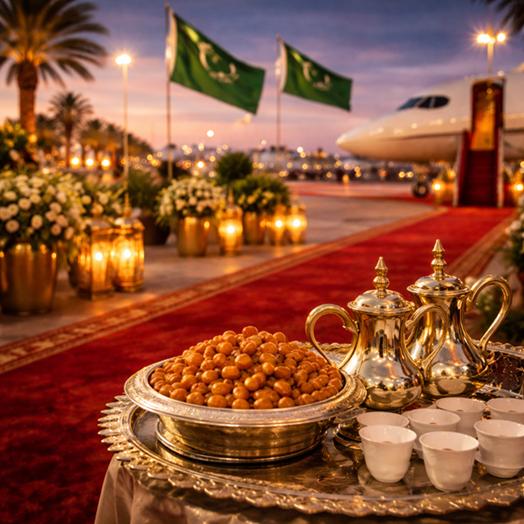
The Importance of Good Reception for Delegations in Saudi Arabia
Welcoming delegations to Saudi Arabia is a cornerstone of the country’s cultural identity and diplomatic relations. Deeply rooted in historical hospitality traditions, the Kingdom’s reception practices emphasize generosity, warmth, and respect, reflecting both traditional values and contemporary aspirations. This cultural framework not only fosters positive relationships but also plays a vital role in enhancing Saudi Arabia’s global image as a welcoming destination for business and diplomacy. Hospitality practices in the Kingdom are influenced by a blend of tribal traditions and Islamic values, which prioritize trust, loyalty, and respect in both personal and professional interactions. A successful reception is characterized by meticulous pre-arrival preparations, a warm welcome, attention to guest comfort, and the inclusion of enriching cultural activities. These elements are crucial in creating an environment where delegations feel valued and respected, thus strengthening the social bonds that form the foundation of Saudi culture.
Furthermore, the quality of receptions can have significant implications for diplomatic and economic relations. In an era where Saudi Arabia is striving to diversify its economy under Vision 2030, effective hospitality practices are essential for attracting foreign investment and boosting tourism. High-quality receptions are not only important for initiating business relationships but also for laying the foundations for long-term cooperation, making cultural sensitivity and adherence to established protocols crucial for successful diplomatic interactions.
Cultural Significance
Saudi culture places great importance on hospitality, which is a cornerstone of social interactions and community bonds. The tradition of welcoming guests is not merely a formality but a deeply rooted value that reflects generosity, warmth, and respect for others.
This cultural framework transcends mere etiquette; it signifies a bond of trust and an expression of social standing within the community. In Saudi society, hospitality is often viewed as a competition to demonstrate the ability to provide an exceptional experience for guests, whether friends or strangers. The importance of hospitality in Saudi culture is significantly influenced by Islamic values and tribal traditions, which emphasize trust, loyalty, and respect.
Essential Qualities in Personal and Professional Relationships
For example, when hosting delegations, meticulous preparation is essential, including understanding the diverse cultural and religious backgrounds of the guests. This preparation ensures that the reception aligns with the attendees’ expectations and customs, fostering an atmosphere of respect and appreciation.
Furthermore, the reception process is divided into stages, including warmly welcoming guests, providing suitable seating, and offering refreshments. Each step is designed to enhance the guest experience and convey a message of appreciation and respect.
In this context, hospitality transcends mere entertainment; it becomes a language of communication and mutual respect that strengthens personal and professional relationships.
Components of a Successful Reception
A successful reception for delegations in Saudi Arabia comprises several essential components that reflect cultural values and hospitality standards. These components ensure that guests feel welcome, respected, and appreciated throughout their visit.
Pre-Arrival Preparations
Before guests arrive, careful planning is crucial. This includes confirming the arrival date and time, as well as arranging transportation and reception services at the port of arrival. A dedicated team should be prepared in advance to transport guests, ensuring vehicles are ready, and the reception area is properly arranged. All customs and passport procedures must be completed to ensure a smooth arrival for guests.
A Warm Welcome
Upon arrival, the reception begins with a warm and friendly greeting. This often includes a smile, a handshake, and sometimes a hug, reflecting the hospitality. Offering drinks, especially coffee, is an important custom that demonstrates how welcome one is. A table laden with various foods, desserts, and beverages is usually set to delight guests and make them feel appreciated.
Guest Comfort is Prioritized
Ensuring the comfort of guests is paramount during their stay. Hosts should attend to their guests’ needs by providing essential items such as drinks, cutlery, and any other amenities that might enhance their experience. Hospitality should be conducted with kindness and respect, avoiding sensitive topics and engaging in interesting conversations.
Distinguished Entertainment
A successful reception includes cultural and entertainment activities that reflect the richness of Arab traditions. This may include performances of traditional music and dance, and poetry readings, combining entertainment with cultural interaction. Other forms of entertainment, such as artistic performances and traditional games, can also enrich the atmosphere of the occasion and create unforgettable memories for guests.
Thanks, Appreciation, and Farewell
It is very important to conclude the reception with a sincere thank you. Expressing gratitude to guests for their attendance and participation contributes to building strong relationships and leaves a positive impression. Organizing a proper farewell ceremony is also advisable to ensure guests leave feeling appreciated and respected, further enhancing the success of the reception experience.
Specialized Reception Practices
In Saudi Arabia, receiving delegations is characterized by a deeply rooted cultural commitment to hospitality, which is essential for building positive relationships and creating memorable experiences for visitors. This process involves careful planning and adherence to established customs and traditions that reflect respect and cultural sensitivity.
Reception and Farewell Events
The reception for delegations is tailored to the visitor’s status, including their position, the purpose of the visit, and the number of guests. Basic practices include organizing and conducting formal ceremonies while remaining flexible to address any unforeseen circumstances.
Hosts should ensure that essential information about the visit is gathered in advance. Information such as arrival date, mode of transportation, and names of accompanying persons should be provided. It is also essential to be prepared for any cultural customs, including raising the flag of the visiting country and playing its national anthem.
Furthermore, hosts should respect their guests’ traditions, such as standing when guests speak or inviting them to begin eating. It is customary not to begin eating until all guests have been invited, highlighting the importance of hospitality etiquette in Saudi culture.
Serving an Elegant Meal
Offering special presentations, perhaps including artistic performances, is encouraged to enrich the dining experience. After the meal, it is considered courteous to thank guests for attending, strengthening the bonds established during the reception.
Read also: Etiquette for Receiving Guests at Official Events
Cultural Insights
Hospitality in Saudi Arabia is influenced by historical customs rooted in the region’s tribal traditions. Welcoming guests is not merely a formality but a social obligation rooted in honor and respect. Guests are typically offered Arabic coffee and dates upon arrival, a symbol of a warm welcome and a gesture of generosity that reflects the host’s character.
This tradition extends beyond food, embodying a profound cultural significance where the guest’s comfort and enjoyment take precedence over the host’s. Understanding the nuances of communication during these gatherings is crucial. Initial interactions often focus on building trust rather than delving directly into business discussions. Engaging in friendly conversation and demonstrating genuine interest in the guest’s experience fosters a positive relationship-building environment.
Furthermore, the cultural concept of “saving face” must be considered to maintain respect and dignity in all interactions, particularly at formal events. By incorporating these practices into their hospitality, Saudi Arabian hosts not only uphold traditional values but also contribute to creating authentic and meaningful experiences for their guests.
Conclusion
The success of hosting delegations depends not only on adhering to customs and protocols but also, and perhaps more importantly, on having a dedicated team to professionally manage all the details. Organizing delegation visits requires meticulous coordination between logistical, protocol, and cultural aspects, from visa arrangements and airport reception to managing meeting and event schedules, and ultimately, designing experiences that reflect the Kingdom’s identity and achieve the visit’s objectives. Relying on a company experienced in organizing and hosting delegations ensures a unified corporate message, avoids protocol errors, and maximizes the visit’s positive impact, transforming each reception into a strategic opportunity to strengthen relationships and build lasting partnerships.


Comments