
The Role of Meet & Greet in Enhancing Events
The Role of Meet & Greet in Enhancing Events
In today’s professional landscape, the success of any event, especially specialized seminars and conferences, is no longer solely dependent on the strength of the presented content or the prestige of the speakers. Instead, the focus of evaluation has shifted to the overall guest experience—a comprehensive series of interactions that begins before their arrival and ends after their departure. This is where the pivotal role of Meet & Greet becomes apparent, serving as the first and last impression left on attendees.
Meet & Greet is not merely a formal administrative procedure; it is a strategic component that defines the level of professionalism and reflects the organizer’s attention to the smallest details of guest comfort. This service is the human face that translates the brand’s message into tangible reality, transforming seminar participation from a fleeting event into a value-added experience. This article will explore in detail how this service can evolve from a simple welcome into an effective strategic tool for enhancing the value of the seminar and ensuring the organization builds a positive and lasting reputation.
First Impressions and the Importance of a Greeting: Creating a Smooth Start
The initial moments of a guest’s arrival are the most impactful; The first five minutes can make up as much as 80% of the overall impression of the entire seminar. If the beginning is chaotic or overwhelming, this feeling is likely to negatively impact how much the guest enjoys the subsequent sessions.
The true role of reception begins with facilitating access and guidance. The team should be present at main entrances, waiting areas, and key access points. Directions to the registration room should be clear and straightforward, using clear signage and staff strategically positioned to provide assistance. This basic logistical service is essential to avoid overcrowding and chaos, especially in large seminars, where the reception team acts as a flow organizer, providing an immediate sense of calm and organizational efficiency.
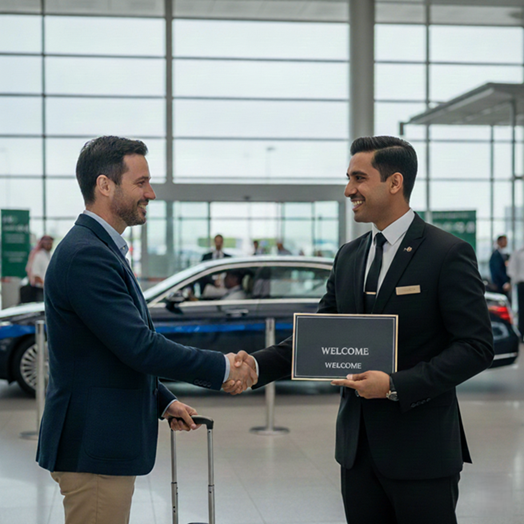
Beyond logistical efficiency, the power of reception lies in the personal touch. The receptionist is the human face of the brand; a smile, friendliness, and professionalism should be the defining characteristics. A warm welcome, using the guest’s name whenever possible, assisting with light luggage, or directing VIPs to private areas are all small details that demonstrate a high level of care. This meticulous attention to detail transforms the routine check-in process into a personalized welcome experience, reinforcing the guest’s sense that their time is valued.
Read also: How to Design a Pre-Arrival Plan That Captures Your Guests’ Attention
Reception as an Operational Tool: Efficiency and Effective Management
The reception role extends beyond simply offering a greeting; it becomes an integral part of the seminar’s operational mechanisms. Successful crowd and data management enhances the overall event’s administrative efficiency.
This begins with efficient registration and data management. In today’s technological age, relying on slow, paper-based lists is no longer acceptable. The reception team must be adept at using technology to manage rapid identity check-in, badge distribution, and materials. Utilizing QR codes or mobile applications significantly reduces waiting times, sparing guests the frustration of long queues and projecting a modern, organized image.
But true efficiency is demonstrated in the team’s ability to resolve problems immediately. A well-trained reception team is the first line of defense against unexpected issues: unregistered guests demanding entry, last-minute changes to the seminar schedule, or even minor problems like badge malfunctions. The receptionist must possess comprehensive knowledge of the seminar schedule and location to provide accurate answers without redirecting guests, ensuring a smooth flow of information and a swift resolution to any problem.
Furthermore, reception services can facilitate networking. In specialized seminars, a skilled receptionist might connect guests seeking specific experts (by reviewing badges and their roles) or subtly guide guests to designated networking areas or the accompanying exhibition. This proactive role adds value beyond logistical management, making the reception team a partner in achieving the seminar’s professional networking goals.
The Role of Farewell in Creating Positive Memories: A Perfect Ending
If the welcome creates the first impression, the farewell creates the final, lasting memory that the guest takes with them. The service shouldn’t end once the last presentation is over, as a poor farewell can negate the entire seminar’s positive aspects.
The primary goal is to create a thoughtful farewell. The reception team should return to their duties with a smile and warmth to personally thank the guests for their attendance. This friendly gesture underscores how important their presence was to the organizers. This also presents a final opportunity to distribute relevant supplementary materials, such as certificates of attendance, lecture summaries, or final evaluation questionnaires.
From a logistical perspective, the farewell service plays a vital role in facilitating a smooth departure. At the end of a long day, guests don’t want to experience a difficult exit. The team should organize the flow of departures, clearly directing guests to available transportation options (such as taxi services or bus stops), and paying special attention to VIPs when requesting transportation. This ensures guests don’t feel abandoned once the lights go out.
Most importantly, it contributes to a safe and orderly exit. Effective crowd management during departure prevents chaos and congestion at entrances and exits, ensuring a safe and orderly exit for all attendees. This leaves a lasting impression of efficiency, safety, and comfort.
Meet and Greet Service as a Strategic Investment
Guest reception and departure services are, in essence, a strategic investment in the organizer’s reputation, not merely an operational cost. The quality of these services is inextricably linked to the quality of the seminar itself; the reception team is what humanizes the academic or professional content.
Excellent service yields results that extend far beyond the single day. First and foremost, it fosters loyalty and repeat business. A guest who feels valued and appreciated from arrival to departure is far more likely to return for future events. This positive experience also increases the likelihood of referrals (word-of-mouth marketing), an invaluable promotional tool.
In short, the role of reception and departure services is to transform a seminar from a mere collection of sessions and presentations into a memorable and cohesive experience. To achieve this, event organizers must pay special attention to training and equipping their reception and departure teams, as they are the first and last line of defense for the event’s quality and the organizer’s reputation. This team is key to translating content success into a successful overall experience, ensuring the seminar’s positive impact lingers long after its conclusion.
Conclusion
To achieve a seamless experience, our Meet & Greet service extends to the crucial arrival and departure points at the airport. Here, our Delegation Services play a vital role, ensuring a smooth and seamless transition for guests to and from the event venue. Our services begin not only with welcoming guests at the conference hall but also at the airport. We facilitate check-in, manage baggage, and provide luxurious and comfortable transportation befitting the prestige of the conference and its guests. This attention to detail in air travel eliminates any potential stress for guests, ensuring they begin their conference experience with maximum comfort. Upon departure, we guarantee organized and expedited travel arrangements, demonstrating that our professional service continues until the guest has left the country.


Comments