
Hybrid Events organizing
Hybrid Events organizing
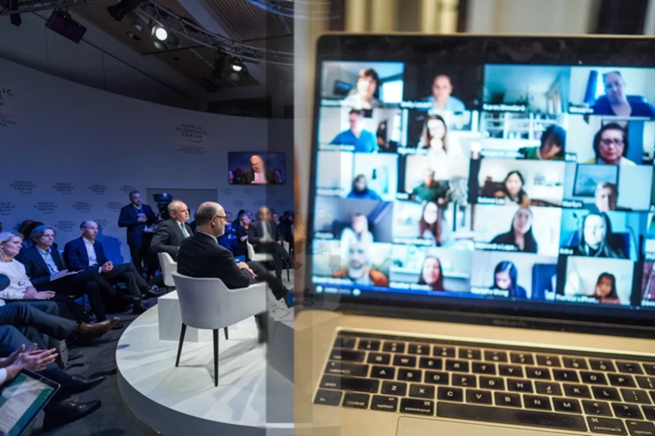
Planning important meetings, conferences, or any other type of event offers countless opportunities. You can invite guest speakers, deliver presentations, collaborate, and share new skills. With current technological advancements, hybrid events are gaining popularity. Hybrid events combine the best of both the virtual and in-person worlds to create a shared, interactive experience.
What are Hybrid Events?
Hybrid events combine in-person and virtual events, leveraging the strengths of both formats. They are structured so that both remote and in-person attendees can fully participate and interact.
Hybrid events are particularly beneficial if you have branch offices or a global audience, allowing everyone to participate. They offer greater flexibility at all stages of planning and execution, as they are tailored to your specific audience. How to Organize a Successful Hybrid Event
Read more about hybrid events and their key elements
Set Your Goals
While hybrid events can present unique challenges, setting clear goals before you begin planning will simplify the process. Start by asking your planning committee some of these questions:
- What is the purpose/objectives of the event?
- How do you expect all participants to interact and communicate?
- What attendance size do you consider successful?
Setting specific goals helps you plan optimally for success.
Choosing the Tools and Technical Foundations: The Real Key to Success
To host a professional hybrid event, simply providing an internet connection is not enough. It requires choosing the right technology and developing an effective digital strategy that ensures the seamless integration of the virtual and in-person audiences into a unified experience. The quality of audio and video equipment is not just a supplementary detail; it’s the backbone that prevents communication breakdowns. High-definition streaming and advanced audio capture systems ensure that the message reaches every participant, regardless of their location, with crystal-clear clarity.
As a dedicated event planning team, we understand that turning your vision into reality requires moving beyond randomness to precise technical specifications. This begins with strategically selecting the date and time to align with the time zones of the international audience and includes developing a flexible budget that covers both the practical logistics and digital infrastructure costs.
Furthermore, a deep understanding of the needs of both presenters and attendees is crucial. Speakers require seamless interactive tools, while digital attendees crave a truly immersive experience. The venue also plays a vital role, as it must be technologically equipped to support live streaming and real-time interaction. Finally, the event’s theme and content must align with your strategic objectives, ensuring a brand-worthy event that leaves a lasting impression.
Enhance the Attendee Experience
When you have both in-person and virtual attendees, create a welcoming and engaging environment for everyone. Ensure you have the right technology to help you create a seamless experience. In addition to having the best technical tools, high-quality products should be a top priority.
Don’t let your event fail; invest in a production team that can deliver a seamless hybrid experience for both your virtual and in-person audiences. Aim to give both audiences equal attention so everyone has an enjoyable experience.
Encourage Participation Throughout the Event
Attendees don’t necessarily want to stare aimlessly at a screen or sit in a crowded room for hours. Schedule Q&A sessions, panel discussions, and other activities to keep your audience engaged. Giving them short breaks or opportunities to interact with each other will help minimize distractions and increase overall engagement.
Why is hiring a professional team essential?
When organizing conferences, trade shows, or other major events, there’s a lot to consider. Adding a hybrid element and catering to two different audiences creates the potential for even more challenges. From technical details to registration and technology to ensuring audience engagement, you need to cover many aspects with meticulous attention to detail. A professional, experienced team focused solely on event planning will have the expertise and knowledge to handle these details.
You can stay focused on your organization’s day-to-day operations by hiring a professional planner to handle the complexities.
Read more: How Hybrid Events Have Proven a Continuous Success
Advantages and Disadvantages of Hybrid Events
The advantages of hybrid events, compared to virtual or in-person events, include greater flexibility, wider reach, and the ability to choose how to attend. For example, for those who can’t afford to arrange a long commute to and from the event, or who want to save on travel and accommodation costs, hybrid events are an excellent alternative to traditional methods, even under normal circumstances.
Hybrid events also allow you to record your entire event and send it to participants later. Furthermore, the event content can be updated, viewed, and discussed long after it ends, adding value.
However, hybrid events also present a number of challenges. While they offer a unique connection, the reduced face-to-face interaction can have a negative impact, as can the potential for less interaction between digital and in-person participants. Some participants also tend to minimize spontaneous communication during breaks.
Therefore, planning a hybrid event requires interactive thinking and planning. You’ll need not only an in-person facilitator but also someone to manage the digital participants. The financial and logistical effort may also be greater, depending on the specific requirements of the event planning.
When is a hybrid event the best option?
The answer depends on the event concept and its feasibility. Creating a sense of belonging among participants is key to the success of any hybrid event.
Consider organizing a hybrid event. Ideal if you:
- Able to overcome technical and creative challenges
- Undeterred by the required effort and level of organization
- Want to target an international audience or an audience not bound by a specific geographic location
- Want to try something new to enhance your overall plans (such as promoting your brand)
Conclusion
In concluding our review of hybrid event organization mechanisms, it becomes clear that this model is not merely a temporary solution imposed by circumstances, but rather a strategic shift in the events industry that keeps pace with the aspirations of the digital age. Combining the emotional impact of a physical presence with the boundless flexibility of the virtual world gives organizers amplified influence, transforming the event from a mere “gathering” limited by time and place into an “extended experience” that transcends geographical boundaries and whose value endures through digital archives and ongoing interaction.
Success in this approach is not simply about providing screens or broadcasting platforms, but rather lies in the philosophy of holistic design; that is, the ability to make the participant “behind the screen” feel as important and valued as the participant “in the room.” This requires a delicate balance between the quality of technical content and the power of human interaction, along with investment in specialized teams that understand how to manage technical and logistical risks with agility.
Despite the challenges posed by budgets or technological complexities, the return on investment remains the most likely outcome. Expanding reach to an international audience, strengthening corporate identity, and offering a flexible model that respects attendees’ time and circumstances all position the organization at the forefront of the business sector.
In conclusion, a successful hybrid event is one that bridges the gaps between attendees and unites them around a common goal. So, start planning your next event with an innovative mindset, and make technology a bridge for communication, not a barrier. The future belongs to those who can adapt modern tools to create unforgettable human experiences, regardless of the mode of attendance.


Comments