
Choosing a Corporate Events Company
Choosing a Corporate Events Company
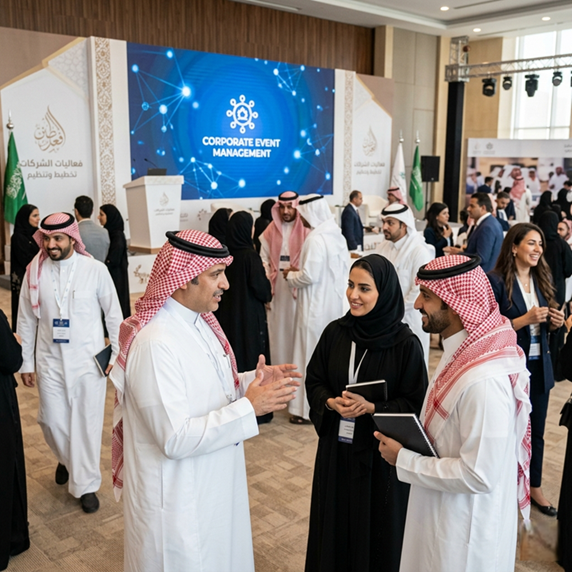
Selecting a company specializing in corporate events is a pivotal decision for businesses seeking to effectively engage stakeholders and achieve specific objectives through planned meetings. Corporate events encompass a wide range of formats, including networking events, team-building activities, conferences, product launches, and charitable fundraising campaigns, each with a specific purpose: boosting employee morale, strengthening professional relationships, and enhancing brand presence. The importance of choosing the right company lies in its ability to design the event to meet strategic goals, thereby maximizing its impact on attendees and the company as a whole.
Disputes surrounding corporate events often revolve around budget management and supplier reliability. Unforeseen costs and service deficiencies can significantly impact an event’s success. Furthermore, difficulties in setting clear objectives and controlling the supplier selection process can lead to inefficiencies and a misalignment with organizational goals. Therefore, organizations must carefully evaluate their partnerships to ensure high-quality service and exceptional attendee experiences.
Choosing a corporate events company requires first determining your budget, then researching the company’s experience with your type of event, reviewing their past work, and assessing their communication skills and understanding of your marketing objectives. Focus on the company’s ability to manage logistics, venue selection, and marketing to ensure a professional event.
Types of Corporate Events
Corporate events can be categorized into different types, each serving specific purposes and objectives. Understanding these types is essential for effective planning and execution.
Networking Events
Networking events are designed to facilitate communication among professionals in the same industry or related fields. These gatherings provide participants with opportunities to build relationships, exchange knowledge, and explore collaboration opportunities. By encouraging interaction, whether in person or virtually, these events add significant value to the participants’ experiences.
Team-Building Events
Team-building activities are designed to foster collaboration and strengthen relationships among employees. These events often include field trips, virtual or in-person games such as escape rooms, and cultural quiz evenings, allowing colleagues to interact with each other in a relaxed environment. By fostering a supportive work environment, these activities contribute to increased morale and higher employee retention rates within the organization.
Conferences and Seminars
Conferences and seminars are large-scale gatherings of industry professionals to exchange knowledge, network, and explore emerging trends. These events vary in size and scope, with conferences often lasting several days, while seminars tend to focus on a specific topic or sector. These gatherings solidify companies’ position as thought leaders and provide participants with valuable insights and practical outcomes.
Product Launches and Press Conferences
Product launches and press conferences are crucial for generating media buzz around new products. These events are specifically designed to attract media attention and enhance the company’s presence, thereby amplifying its message beyond its immediate audience. They also play a vital role in establishing brand positioning in the market.
Corporate Parties and Celebrations
Corporate parties and celebrations are held to commemorate significant achievements and milestones within the organization. These events range from informal gatherings to formal awards ceremonies, boosting employee morale and showcasing success to both employees and customers. They also foster a positive company culture and cultivate a sense of belonging among employees.
Trade Shows
Trade shows allow companies to showcase their products and services to a target audience. These events provide an interactive brand experience, enabling companies to display their products and services and engage with potential customers, leading to lead generation and increased sales. They are also essential for maintaining a company’s presence and relevance in competitive markets.
Charitable Events and Fundraising Campaigns
Charitable events and fundraising campaigns embody corporate social responsibility, allowing companies to support causes aligned with their values. These events not only contribute to organizing events but also foster positive relationships with the community and enhance brand image by demonstrating a commitment to social causes. Participation in such activities also strengthens the loyalty of both customers and employees.
Corporate Hospitality
Corporate hospitality events aim to entertain clients and stakeholders in a relaxed atmosphere, facilitating stronger relationships and enhancing business connections. These gatherings range from informal dinners to unique experiences that combine entertainment with networking opportunities.
By understanding and leveraging these different types of corporate events, organizations can strategically align their objectives with the optimal format, ensuring they achieve their goals while providing a positive and engaging environment for attendees.
Read also: Essential Requirements for Organizing Hybrid Corporate Events
Steps and Criteria for Choosing the Best Event Planning Company
- Budget and Objectives: Before starting, clearly define your budget and the strategic objectives of the event (marketing, product launch, training) to ensure the company aligns with your aspirations.
- Experience and Portfolio: Research companies with proven experience in the same type of event as yours (conferences, exhibitions, meetings) and request to see their previous projects.
- Understanding the Identity and Needs: Choose a company that understands the strategic purpose of the event, not just the formal coordination.
- A professional team: Ensure the organization has a dedicated team capable of handling crises and managing logistics effectively.
- Network and relationships: A good company has strong relationships partnering with suppliers provides better options and competitive pricing for venue, sound, and other services.
- Technology and Innovation: Does the company offer modern technological solutions (e-registration, event applications)?
General Indicators of a Successful Organization
- Strict adherence to deadlines (clear timeline).
- Providing creative and unconventional ideas.
- Clearness of the contract, services offered, and their costs.
- Having an official license and a proven track record.
Factors to Consider When Choosing an Event Planner
Choosing the right corporate event planner is crucial to ensuring the success of your event. Several key factors should be considered during the selection process.
Understanding Goals and Objectives
First, it is essential to clearly define your event goals. Define what you aim to achieve, whether it’s increasing employee engagement, attracting new clients, or celebrating a significant company milestone. A top corporate event planner will conduct in-depth discussions about your goals and help you design the event to effectively achieve them.
Experience and Competence
The experience of an event management company plays a pivotal role in the planning process. Look for companies with a proven track record of successfully organizing various types of corporate events, such as conferences, product launches, and networking events. An experienced organizer will be thoroughly familiar with logistics, regulations, and permits, ensuring smooth execution and high-quality results. Furthermore, it’s advisable to request case studies or success stories from previous events the company has managed.
Reputation and Reviews
Researching an event organizer’s reputation is crucial. Online reviews can provide valuable insights into past client experiences and their overall satisfaction with the company’s services. Pay attention to the number of positive comments and any recurring criticisms. Additionally, consult with colleagues or industry professionals for firsthand recommendations, as these can provide direct testimonials about the company’s reliability and effectiveness.
Flexibility and Adaptability
In the dynamic corporate events environment, flexibility and adaptability are essential. Ensure your organization can manage in-person, virtual, and hybrid events, given the ever-evolving nature of gatherings. A company familiar with different event formats will be better equipped to handle unforeseen challenges that may arise during the planning process.
Resources and Infrastructure
Evaluate the resources and infrastructure offered by the event organizer. This includes their relationships with suppliers, their local knowledge, and their ability to efficiently coordinate logistics. Established organizations have strong relationships with hotels, venues, and other suppliers, which facilitates smooth planning and access to high-quality services.
Communication and Support with Clients
Effective communication is vital to the success of any event. Choose a company that prioritizes clear and timely communication throughout the planning process. Inquire about their responsiveness to inquiries and their willingness to work closely with your team to ensure alignment with your vision.
An organization that listens to your needs and adapts its approach accordingly will enhance the overall planning experience. By carefully considering these factors, you can select a corporate events company that aligns with your objectives and delivers a memorable experience for all attendees.
Researching Potential Companies
When selecting a corporate events company, thorough research is essential to ensuring a successful partnership and efficient event execution.
Assessing Reputation and Client Testimonials
One of the first steps in your search is to assess the reputation of potential venues and event organizers. Online reviews and customer testimonials can provide valuable information about the quality of services offered by these companies. It’s advisable to seek recommendations from colleagues, friends, or industry professionals who have previously organized events at these venues. Furthermore, collaborating with an event production team that has extensive knowledge of the venue and city facilitates communication with past clients, aiding the decision-making process.
The Importance of Experience and Competence
Experience and competence play a crucial role in selecting the right event organizer. Organizers with a proven track record of diverse events, especially corporate events similar to yours, are better equipped to understand your specific needs. Reviewing past work and customer testimonials can provide valuable insights into the plan.
The organizer’s style, attention to detail, and overall execution capabilities ensure that the organization is equipped to deliver innovative ideas and effective solutions tailored to your event objectives.
Read also: The Triangle of Success in Events 2026


Comments