
Steps for Professionally Executing Outdoor Events
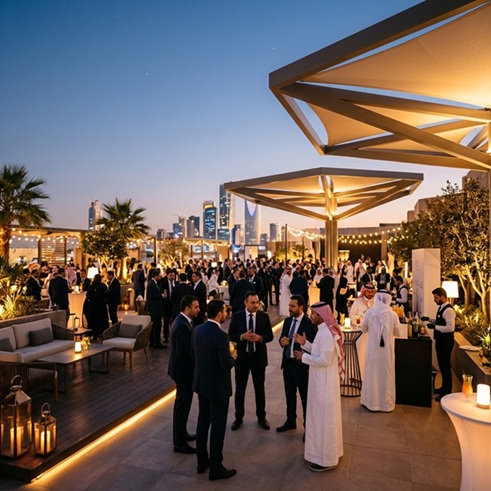
Steps for Professionally Executing Outdoor Events
Outdoor events have become one of the most impactful marketing and communication tools in the contemporary Saudi business landscape. Amid the massive transformation the Kingdom is undergoing in line with the goals of Saudi Vision 2030, field-based events and activities have emerged as a cornerstone for establishing corporate identity, building strong and direct connections with target audiences, and fostering effective communication between the business sector and strategic partners.
Whether it is an outdoor product launch, a press conference at an open-air tourist destination, a national celebration, or a luncheon or dinner for key clients and business leaders, the success of an event is measured not only by the number of attendees but also by the seamlessness of its execution and the strength of the lasting impression it leaves.
In this comprehensive guide, we explore—step by step—the professional standards and methodologies for executing outdoor events tailored for companies, organizations, and business professionals in the Kingdom of Saudi Arabia.
First: The Strategic Planning and Objective-Setting Phase (The Blueprint Phase)
A successful event does not begin with pitching tents or setting up lighting; it begins at the meeting table, where objectives are defined with absolute precision. These initial steps lay the foundation upon which all subsequent details are built:
Defining the Primary Purpose of the Event (ROI & Objectives)
- Enhancing Brand Awareness: Highlighting the company’s leadership position within the Saudi market.
- Launching a Product or Service: Introducing new innovations to clients and investors in a live, interactive environment.
- B2B Networking and Relationship Building: Creating an exclusive platform for business professionals, decision-makers, and investors to connect.
Precise Analysis of the Target Audience
The Saudi market requires a deep understanding of the culture of hospitality and the professional preferences of guests—whether they are executive leaders, foreign investors, or other key target segments. The experience must be curated to reflect the status of the invitees and meet their expectations.
Budgeting and Timeline Planning
A clear budget must be established, covering permits, architectural design, logistics, and marketing. It is essential to include a contingency fund of at least 15% to 20% to address any unforeseen developments. Concurrently, a rigorous timeline should be developed—spanning the weeks or months leading up to the event—with tasks professionally delegated across the team.
Second: Venue Selection, Government Coordination, and Regulatory Permits
In the Kingdom of Saudi Arabia, compliance with government regulations and the selection of an appropriate venue are the cornerstones of any successful, risk-free event.
Venue Selection (Location Scouting)
Several criteria must be considered when selecting a venue:
- Accessibility: The availability of ample, nearby parking and convenient access to the site via major roads.
- Basic Infrastructure: The availability of power and water utilities, or the capacity to efficiently deploy high-performance backup generators.
- Nature and Aesthetics: Selecting locations that align with the event’s identity—such as expansive parks, waterfronts (e.g., the Jeddah Corniche), developed desert sites, open plazas at major shopping centers, or heritage destinations.
Obtaining Official Licenses and Permits
Hosting outdoor events in Saudi Arabia requires coordination with relevant authorities to ensure legal and security compliance, including:
- Municipal and Regulatory Licenses: Securing necessary approvals from the local municipality or sub-municipalities in the target city.
- Security and Safety Permits: Coordinating with security agencies and the Civil Defense to ensure the availability of emergency exits and approved evacuation plans.
- Intellectual Property and Audio Rights: Obtaining permits for playing music or showcasing traditional arts through the appropriate governing bodies—such as the General Entertainment Authority or the Ministry of Culture—depending on the nature of the event.
Third: Spatial Design and Experience
An outdoor space serves as a blank canvas, allowing designers to unleash their creativity; however, it also demands precise engineering to ensure attendee comfort and protect the event from environmental factors.
Temporary Architecture
- Main Stage and Viewing Platforms: These must be prominent and engineered to ensure clear visibility for all attendees from any angle.
- Tents and Pavilions: Where required, high-end, air-conditioned tents may be used, designed in a style that blends authentic Saudi heritage with the company’s modern identity.
- Walkways and Designated Zones: Strategically arranging reception areas, VIP lounges, and networking/bilateral meeting zones to ensure a smooth flow of movement.
Weather Engineering (Overcoming Climatic Challenges)
The Kingdom’s environment is characterized by its geographical and climatic diversity. To ensure the success of an outdoor event—despite intense heat or unpredictable weather—advanced solutions must be employed:
- Climate-Control Cooling Systems: Utilizing sophisticated misting fans and centralized outdoor air-conditioning units designed for tents and open-air platforms.
- Innovative Shades and Architectural Structures: Providing adequate protection from direct sunlight during the day.
- Weather Contingency Plan: Establishing indoor alternatives or a rapid rescheduling protocol for event segments in the event of strong winds or sudden rain.
Fourth: Logistics and On-Site Operations Management
The unseen force behind any successful event is meticulous logistics management, operating seamlessly behind the scenes to ensure the comfort of guests and partners.
Sound Engineering, Lighting, and Digital Displays
- Professional Audio: Implementing directional sound systems that prevent echoes in open spaces, ensuring clear audio delivery to all attendees.
- Interactive Visual Lighting: Utilizing advanced lighting (LED and architectural lighting) to highlight the company’s visual identity as evening approaches, adding a luxurious and striking atmosphere to the venue.
- Large LED screens: to ensure that all guests can follow presentations and key speeches, regardless of where they are seated.
Luxury Hospitality and Catering Experience
Hospitality holds a high status in Saudi culture; therefore, food service at outdoor events must reflect the highest quality standards:
- Serving Saudi coffee and premium dates as part of an authentic welcome for guests and business professionals.
- Partnering with certified catering companies to provide open buffets or live cooking stations that cater to diverse tastes while adhering to the strictest food safety standards.
Read also: Food Service at Outdoor Events
Crowd Management and Entry Organization
- Implementing advanced digital registration systems—such as barcodes or smart digital invitations via smartphones—to prevent congestion at entrances.
- Deploying a professionally trained reception team to assist VIPs and officials with the level of sophistication and protocol expected in the Saudi business environment.
Fifth: Media Marketing and Digital Coverage of the Event
The value derived from an event is not limited to physical attendance; it extends to a broader audience through digital and media channels.
Pre-Event Promotional Campaign
- Sending carefully curated, exclusive invitations (VIP invitations) to business professionals, partners, and media outlets well in advance of the event.
- Leveraging professional social networks (such as LinkedIn) and digital platforms to promote the event and highlight the value-add that attendees can expect.
Live Coverage and Visual Content Creation
- Engaging professional photographers and videographers to document key moments and the signing of partnerships.
- Live-streaming major segments via the companies’ social media platforms to foster real-time engagement with audiences not in attendance.
- Producing a “highlight reel” immediately following the event for future use in annual reports and public relations campaigns.
Sixth: Post-Event Phase and ROI Evaluation
While an event may conclude when the last guest departs, the real work begins in evaluating outcomes and building bridges for sustained communication.
Performance Analysis and Key Performance Indicators (KPIs)
- Measuring the extent of media coverage and digital engagement (reach and engagement).
- Assessing the number of workshops held, as well as the agreements and partnership contracts initiated or signed during the event.
- Analyzing satisfaction surveys distributed to attendees and partners to derive key lessons learned.
Follow-up and Ongoing Communication
- Sending personalized thank-you notes to all attendees and business professionals, accompanied by an executive summary of the event’s key outcomes or official photographs.
- Promptly following up with potential clients and new partners to solidify business ties and convert on-site opportunities into tangible, productive contracts.
Read also: Best Creative Ideas for Outdoor Meetings
Conclusion
Executing outdoor events for companies and organizations in the Kingdom of Saudi Arabia is a strategic investment that demands precise planning, creative design, and a high level of operational professionalism. By following a well-considered process—from defining objectives and securing permits to spatial planning, logistics management, media coverage, and thorough evaluation—both Saudi and international companies operating in the Kingdom can leave a profound and lasting impact. This, in turn, strengthens their competitive standing and enables them to achieve their business goals with maximum efficiency.


Comments