
the role of high-quality photography in the success of events
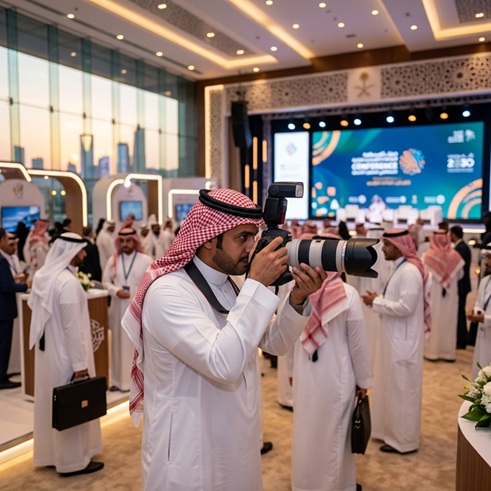
What is the role of high-quality photography in the success of events and building corporate identity?
In the modern business world, events and conferences are no longer mere fleeting gatherings that end with the conclusion of their sessions. They have become strategic investments through which organizations and companies aim to solidify their position, build extensive networks, and enhance their market presence. With the rapid development of digital media, photography has become the primary lens through which the world views any event, and the official document that preserves its value. The quality of photography at events of all kinds is not simply a cosmetic enhancement or a secondary option; it is a fundamental pillar that reflects the professionalism of the organizing entity and determines how the event will be remembered and evaluated in the future.
The Image as a True Translation of Corporate Identity
High-quality images reflect the core values of the organizing company or organization and serve as a direct mirror to the level of precision and professionalism it embraces. When a company publishes clear images with balanced lighting and well-considered compositions, it sends an indirect but highly impactful message: that high standards are applied in every detail of its operations.
Conversely, using low-quality images, or those with poor lighting and unflattering angles, can create a negative impression that diminishes the significant effort invested. Audiences who didn’t attend the event in person assess its scale and importance based on what they see on screens. Therefore, professional photography enhances a positive public image, strengthens trust between the organization and its target audience, and reinforces its leadership in its sector.
Building a Visual Asset Bank for Sustainable Marketing
While an event may last only a day or a few days, professional photographic coverage gives it an exceptional longevity that extends for years. Capturing high-resolution images contributes to establishing a rich and sustainable visual library that marketing and media teams can utilize in various future campaigns and activities. Among the most prominent strategic uses of these images are:
- Preparing Annual Reports: Documenting organizational achievements and activities in a sophisticated visual style provides boards of directors and shareholders with tangible proof of the scale of the work and the success achieved.
- Promotional Campaigns for Upcoming Events: Utilize real-life images of attendees and interactions in the design of print and digital advertisements to market future editions of exhibitions and conferences.
- Press Releases and Reports: Provide media outlets and news websites with high-quality visual content that increases the chances of news coverage and front-page reporting.
- Digital Marketing Content: Design social media posts and informational brochures based on realistic scenes that reflect the spirit of the organization.
Double Digital Engagement and Expand Reach
Social media platforms today rely heavily on visual content. High-quality photographs have a remarkable ability to stop users from scrolling and capture their attention amidst the deluge of digital content. Images that successfully capture live interactions, spontaneous facial expressions, and vibrant moments achieve significantly higher engagement and sharing rates compared to traditional photographs.
Furthermore, taking professional photos of speakers and guests encourages them to share these images on their personal and professional profiles on platforms such as LinkedIn. This approach creates a multiplier effect, expanding the event’s reach to new business networks and lending it greater credibility, as the promotion now flows through testimonials and impressions from the participants themselves.
Read also: Types of Lighting Equipment in Different Events
Accurately Documenting Protocols and Key Moments
Major events and international conferences often host high-profile figures, official delegations, and CEOs of leading companies. Documenting the presence of these individuals requires extensive knowledge of reception and honoring protocols, as well as a keen sense of timing and adaptability to movement.
A professional photographer possesses the skill and experience to cover pivotal moments, such as the signing of agreements and memoranda of understanding, the launch of new initiatives and products, and the honoring of winners and partners. Successful coverage ensures that these scenes are captured with meticulous precision, free from distortion or inappropriate lighting, guaranteeing that the final media content presents a cohesive image befitting the event’s prestige and the stature of its guests.
Highlighting the Investment Value of Sponsors and Partners
The sustainability of exhibitions and trade events depends heavily on the support of sponsors and strategic partners. These partners are always looking for tangible indicators that confirm the return on their investment in the event. Professional visual coverage is one of the strongest pieces of evidence that organizers offer sponsors.
High-quality images help highlight the presence of sponsor brands by documenting their logos on platforms and backdrops, capturing audience interaction within their booths, and showcasing the level of attendance in strategic areas of the event. When a sponsor receives a final report supported by images that showcase their brand in the best possible light, it enhances their satisfaction and encourages them to renew sponsorship contracts and invest in future events with complete confidence.
The Technical Elements of Successful Photographic Coverage
Achieving an exceptional level in event photography requires a combination of technical and artistic elements that distinguish professional work from others:
- Planning and Advance Study: Holding working sessions between the photography team and the event organizing team to understand the schedule, the site map, and to determine the list of necessary shots for each stage.
- Lighting Management and Creative Angles: The ability to handle diverse lighting conditions both indoors and in open outdoor spaces, selecting innovative camera angles that highlight the venue’s architectural design and the dynamics of the audience.
- Speed and Instant Processing: Dedicated teams are available for rapid image editing and processing to ensure the immediate dissemination of news and press coverage during the event.
- Attention to Detail: A balance is struck between capturing wide, sweeping views that showcase the scale of the event and focusing on close-ups that highlight the details of the set design, visual identity, and guest interactions.
Modern Technology and the Evolution of Event Photography
Photographic equipment has undergone significant technological advancements, contributing to a higher quality of visual coverage. The use of advanced high-speed lenses allows for capturing brilliant images in low-light conditions without the need for a live flash that could disturb speakers or guests. Furthermore, the use of drones provides expansive aerial angles that highlight the scale of the event and the overall design of the venue in a stunning manner.
In addition, modern digital processing techniques facilitate color correction and contrast adjustment with exceptional speed, ensuring consistency in the visual identity across all event images and giving the final product a cinematic quality that enhances its appeal.
An Investment That Goes Beyond Cost
Ultimately, professional event photography should be viewed as an investment, not an additional expense. A good photograph serves as a lasting testament to the event’s success, immortalizing the efforts invested in organization and planning, and providing the organization with visual assets that will enhance its marketing for years to come. Selecting professional photography teams is essential to ensuring that no important moment is missed and transforming the event from a fleeting occurrence into a significant milestone in the organization’s history.
Read also: 10 Common Event Planning Mistakes and How to Avoid Them
Conclusion
In conclusion, quality event photography transcends being a mere organizational detail or a peripheral item in the event budget. It represents a comprehensive strategic investment that makes all the difference in creating a lasting impression. A single professional shot has the power to immortalize painstaking planning, highlight the scale of success, and transform temporary efforts into sustainable visual assets that can be leveraged for years to bolster the organization’s identity and attract partners and sponsors. Choosing a photography team that understands the dimensions of the event and is adept at capturing its details is the crucial step that ensures the event is transformed from a mere passing occasion into a prominent success story that is etched in the memory of the public and the business sector.


Comments