
Potential Issues When Organizing Outdoor Events
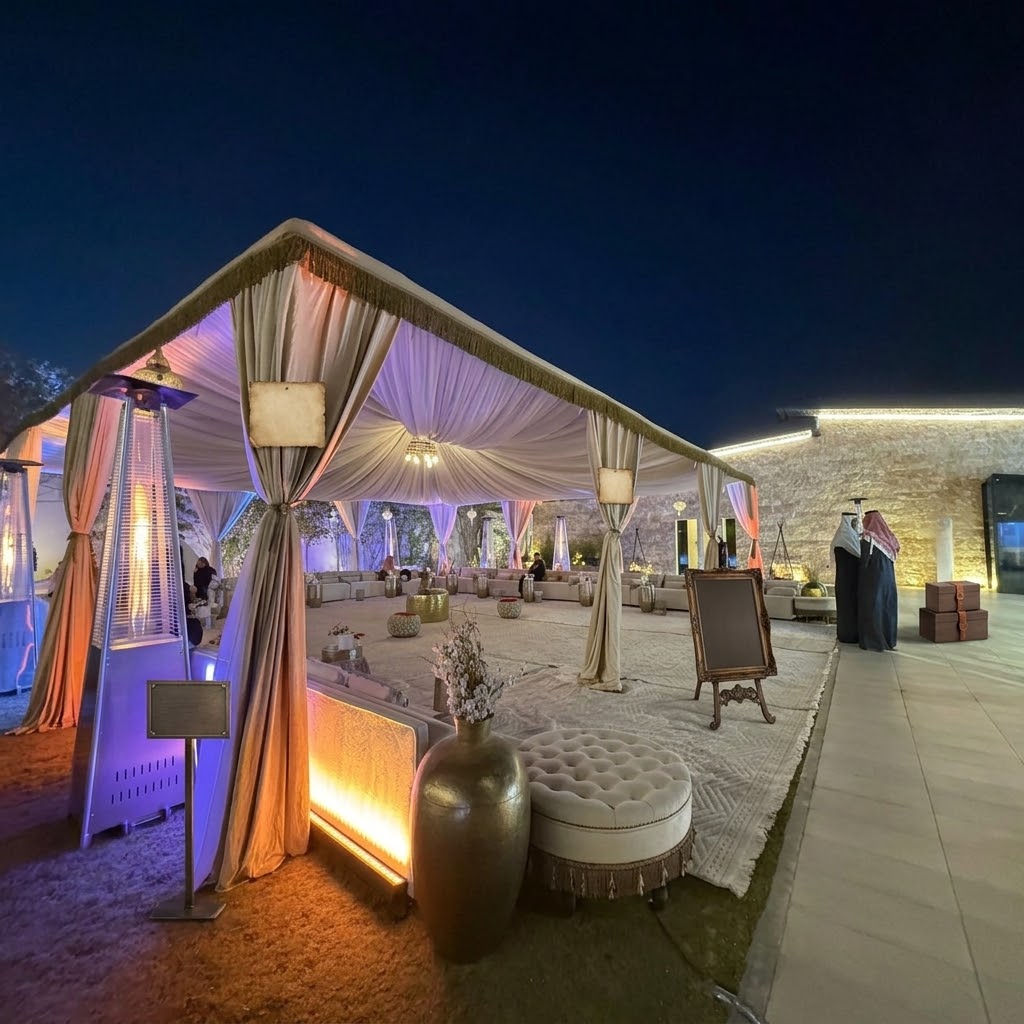
Potential Issues When Organizing Outdoor Events and How to Manage Them
Outdoor events often create a magical, lasting impression on attendees. The beauty of nature, expansive spaces, and the freedom to design décor and activities offer event organizers limitless creative possibilities. Building on our previous discussion regarding how to choose between indoor venues and outdoor locations for your next event, deciding on an “open-air venue” is merely the start of a journey that demands meticulous and cautious planning.
The allure of open spaces comes with significant risks and logistical and technical challenges behind the scenes. Unlike pre-equipped indoor halls, outdoor venues are environments that cannot be directly controlled; even a minor variable—if not carefully considered—can completely disrupt the event.
In this article, we examine in detail the key problems and challenges associated with organizing outdoor events, while offering best practices and logistical solutions to address them and ensure an exceptional, safe experience.
First: Weather Fluctuations and Climatic Challenges
Weather is the primary obstacle to the success of any outdoor event. The main issue lies in the fact that weather conditions can shift rapidly and unexpectedly, putting the organizing team to the test in terms of crisis management.
Temperature Fluctuations and Direct Sunlight
In open-air venues, direct exposure to sunlight can cause attendee discomfort and negatively affect electronic equipment and screens. Conversely, nighttime temperatures can drop suddenly in certain desert or open areas, causing discomfort for guests.
Impact: Attendees leaving early, technical equipment damage due to overheating, or reduced engagement levels.
Solutions and Alternatives:
- Carefully plan the event timing and provide modern structural canopies that align with the event’s branding.
- Deploy outdoor cooling fans and misting systems during hot periods, and provide outdoor heaters for cold weather.
- Select high-brightness, outdoor-rated LED screens capable of withstanding direct sunlight.
Wind, Dust, and Dirt
Strong winds not only cause printed materials and signage to blow away but can also pose safety risks to temporary structures such as stages, backdrops, and tents. Additionally, dust can affect audio equipment and contaminate uncovered food.
Impact: Collapse of temporary structures, audio equipment failure, and soiled seating areas.
Solutions and Alternatives:
- Secure all structures and stages according to strict safety standards using concrete ballasts, avoiding reliance on inadequate anchoring methods.
- Select wind-resistant structures and monitor on-site wind speeds using anemometers to ensure they remain within safe limits.
Rain and Flash Floods
Even if the probability of rain is low, an unexpected downpour without prior preparation can be a logistical disaster, leading to the immediate cancellation of the event.
Solutions and Alternatives:
- Develop a serious contingency plan (Plan B) that includes preparing enclosed hydraulic tents or securing an adjacent indoor venue that can be accessed quickly.
- Monitor real-time weather forecasts from official agencies before and during the event.
Read also: Common types of tents for commercial and private events.
Second: Technical Challenges (Sound, Lighting, and Power)
Unlike indoor venues—which feature walls that reflect sound, ceilings capable of supporting rigging and lights, and pre-installed electrical grids—open spaces are a “blank slate” requiring everything to be built from scratch.
Sound Dispersion and Acoustic Engineering Challenges
In outdoor spaces, there are no walls to contain or reflect sound; consequently, sound dissipates easily into the air or is affected by wind direction.
Impact: Unclear audio for the back rows or uncomfortably loud volume for the front rows.
Solutions and Alternatives:
- Engage sound engineers specializing in outdoor environments.
- Utilize modern sound distribution systems, such as Line Array Systems, and strategically place delay towers (booster speakers) at calculated intervals to ensure clear, uniform sound distribution without needing to raise the master volume to uncomfortable levels.
Lighting and Light Control
During the day, contending with natural light is a challenge; at night, outdoor spaces require extensive lighting to cover all walkways and areas, not just the main stage.
Impact: Dark areas posing safety risks, or poor visibility for media coverage and photography.
Solutions and Alternatives:
- Distribute ambient lighting across all walkways, parking lots, and service areas.
- Use of advanced lighting towers and weather-resistant (IP65-rated) theatrical lighting fixtures.
Power Supply Stability and Interruptions
Outdoor venues often lack the high electrical capacity required for massive screens, sound systems, cooling units, and cooking equipment.
Impact: Sudden power outages, complete event stoppage, and damage to sensitive equipment.
Solutions and Alternatives:
- Avoid reliance on standard local power sources.
- Provide high-capacity backup generators equipped with an Automatic Transfer Switch (ATS) system to ensure uninterrupted power flow.
- Protect ground-level electrical cables using cable ramps to prevent tripping hazards or equipment damage.
Third: Infrastructure and Logistics
Infrastructure is the unseen backbone of any successful event. The absence of permanent facilities at an open-air venue creates a series of challenges that must be addressed in advance.
Cleanliness and Sanitary Facilities
A lack of sufficient, clean restrooms—or their distance from the main event areas—is a major source of attendee dissatisfaction.
Solutions and Alternatives:
- Accurately estimate attendee numbers and provide luxury mobile restrooms (VIP units) in a ratio appropriate for the crowd size.
- Assign a dedicated cleaning team to work around the clock, sanitizing facilities and promptly removing waste.
Hospitality and Catering Services
Serving food and beverages outdoors requires heightened food safety standards.
Impact: Food spoilage due to heat, or exposure to dust and insects.
Solutions and Alternatives:
- Set up an enclosed, air-conditioned “back-of-house” kitchen area equipped with cooling and heating units for food preservation.
- Cover dishes and serve food via stations equipped with protective barriers.
Site Accessibility and Flooring
Outdoor venues often feature grass, sand, or uneven terrain, hindering attendee movement—particularly for the elderly, people with disabilities, and those wearing high heels.
Solutions and Alternatives:
- Install temporary flooring (such as wood decking or rigid plastic event flooring) to cover main pathways and the entire event area.
- Provide accessible walkways to facilitate the movement of wheelchairs and guest-transport golf carts.
Fourth: Crowd Management, Security, and Permits
Open spaces make defining event boundaries and controlling entry and exit points extremely difficult compared to enclosed halls with designated doors.
Site Security and Access Control
The Issue: Unauthorized visitors entering the site, and difficulty organizing registration and security screening points.
Solutions and Alternatives:
- Define the event perimeter using temporary security fencing (pedestrian barricades).
- Establish clearly marked entry and exit gates equipped with electronic registration points and security screening devices.
Parking and Traffic Flow Management
The Problem: Congestion on roads leading to the open-air venue and vehicle overcrowding in unprepared areas.
Solutions and Alternatives:
- Designate spacious, well-lit parking areas and assign traffic marshals and guides.
- Provide valet parking services for guests and VIPs.
Government Permits and Environmental Requirements
The Problem: Restrictions on noise levels after specific hours, or fines resulting from environmental impact or failure to obtain Civil Defense and safety permits.
Solutions and Alternatives:
- Obtain all necessary licenses, security plans, and Civil Defense permits well in advance.
- Adhere to noise-level schedules and implement a plan to restore the site to its original condition immediately after the event concludes.
Conclusion
Organizing an event in an open-air venue is akin to building a small, temporary city from scratch. While it delivers stunning visuals and unforgettable experiences, it demands precision and forward-looking planning that accounts for every potential scenario and risk.
The true difference between a successful event and one that falters comes down to a single word: “preparedness.” By conducting a comprehensive risk assessment, securing robust contingency plans, and engaging a logistics team with the expertise and professional equipment to handle the unexpected, you can transform these challenges into strengths—making your next event an extraordinary occasion that everyone talks about.


Comments