
A Guide to Selecting and Contracting with the Best Caterers for Events
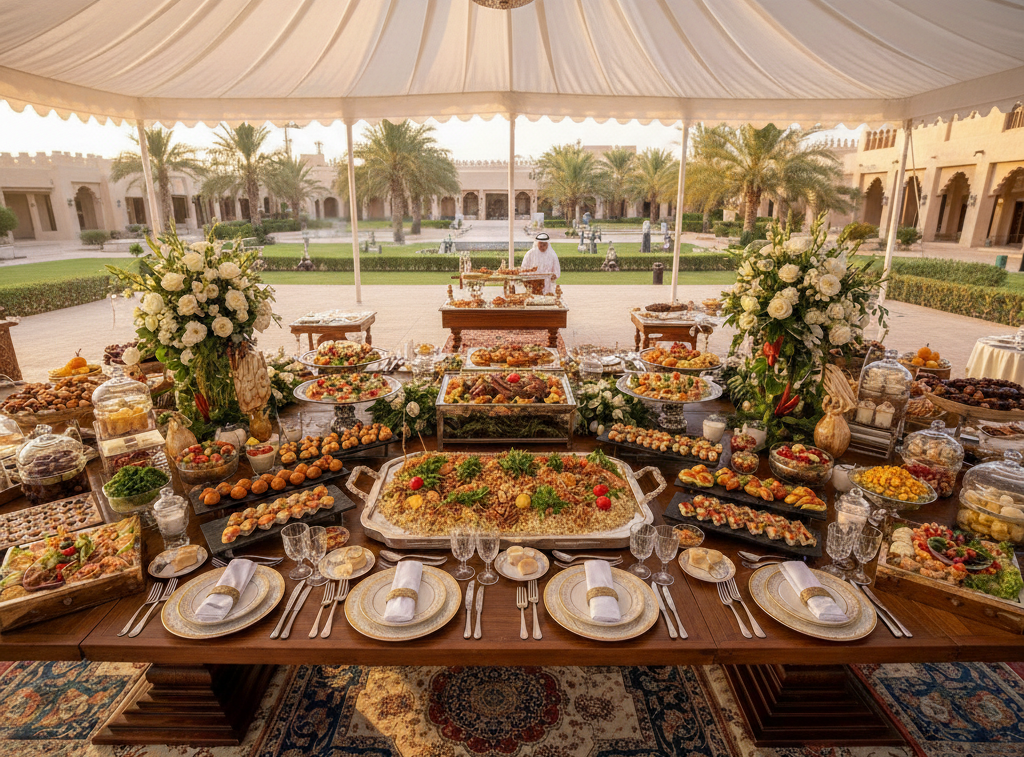
The Saudi Hospitality Industry: A Guide to Selecting and Contracting with the Best Caterers for Events
Saudi Arabia is experiencing an unprecedented boom in the events and conferences sector, driven by the initiatives of Vision 2030, which has transformed the country into a global destination for tourism and business. In this context, catering is no longer a mere detail, but a fundamental pillar upon which the success or failure of an event hinges. Hospitality in Saudi culture is not simply a service, but an expression of generosity and value, placing an added burden on organisers to select the ideal partner.
Factors Determining the “Best” in the Saudi Hospitality Market
Identifying the best caterer requires a nuanced perspective that goes beyond taste to encompass logistical capabilities and regulatory compliance.
Specialisation and Expertise
The Saudi market is characterised by its unique diversity, geographical expanse, and variety of event styles; therefore, the golden rule is: “Not every skilled chef is a successful caterer.” A caterer skilled in preparing lavish wedding buffets that emphasise leisure and luxury might face a disastrous failure when attempting to provide quick and concise meals at a 5,000-attendant tech conference requiring service within a mere 45 minutes. Specialisation here isn’t simply about culinary flair; it’s about logistical engineering that varies depending on the event type:
State & Royal Protocol Events
This type of event has no margin for error. Caterers must be thoroughly versed in the principles of royal hospitality and Saudi government protocols. The challenge lies in managing VIPs and international delegations, requiring service staff trained in body language, proper presentation techniques, and a precise understanding of guests’ pre-set dietary preferences, all while adhering strictly to time and security standards.
Mass Events & Seasons
With the launch of “Saudi Seasons,” the need for companies with robust infrastructure has become paramount. These events require massive central kitchens capable of producing thousands of meals daily, and a refrigerated transport fleet (Cold Chain) equipped with tracking technology to ensure food arrives fresh in potentially harsh climatic conditions. The challenge here is consistency; that is, meal number 1 must be of the same quality as meal number 5,000.
Corporate & MICE Events
These events rely on speed and efficiency. Organisers need “live stations” that offer healthy and light options that don’t leave participants feeling sluggish. A successful caterer in this sector is one who can creatively manage coffee breaks and provide “grab and go” meals that suit the fast pace of conferences.
Sports & Entertainment Events
Whether it’s Formula 1 or major football matches, a tiered service system is required, from fast food for the general public in the stands to luxurious Skybox hospitality. The caterer here must possess the flexibility to manage multiple points of sale simultaneously and with a record-breaking speed of execution.
Heritage & Cultural Events
In places like Diriyah or Al-Ula, organisers seek caterers who excel at “storytelling” through their dishes. This requires expertise in reviving traditional Saudi recipes with a modern twist (Modern Saudi Cuisine), along with the use of serving ware that reflects national identity and harmonises with the historical nature of the location.
Boutique Events
Such as the launch of luxury products or art exhibitions. Here, the importance of “food styling” becomes paramount. The required expertise lies in the ability to transform food into works of art that align with the brand’s visual identity, where the visual experience is as important as the taste.
Read also: Modern Catering Ideas for Events
Safety, Quality, and Compliance Standards
Under the strict supervision of the Saudi Food and Drug Authority and the Ministry of Municipal and Rural Affairs, health standards cannot be compromised.
- Quality Certifications: Look for companies with HACCP (Hazard Analysis and Critical Control Points) or ISO 22000 certifications.
- Licenses: Ensure all employees and the facility itself have valid health licenses.
Flexibility, Saudization Capability, and Innovation
Saudi society is characterised by a taste that blends heritage and modernity.
- Innovative Menus: The best caterers are those who fuse local flavours (such as dates, cardamom, and Saudi coffee) into international dishes with a fusion style.
- Special Needs: The ability to provide vegetarian, gluten-free, and keto options has become a global standard adopted by leading companies in the Kingdom.
Operational Efficiency Verification (Behind the Scenes)
Before signing the contract, assess the company’s ability to deliver on the day of the event.
The Service Team
Appearance, language, and professionalism are the face of your event. Ask about:
- Staff-to-Guest Ratio: For fine dining, one waiter per 10 guests is ideal, while for buffets, the ratio may vary.
- Training: Are the staff trained in communication and problem-solving skills?
Equipment and Logistics
Events in Saudi Arabia are often held outdoors (such as Al-Ula, NEOM, or heritage sites in Diriyah).
- Mobile Equipment: Does the supplier have independent heating ovens, refrigerators, and generators?
- Cold Chain: Ensure uninterrupted cooling from the central kitchen until the dish reaches the guest’s table.
Professional Contracting and Awarding Steps
The contracting process is where you secure your legal and financial rights. Follow these steps:
Draft a precise Request for Proposals (RFP)
Do not send a generic request. The RFP should include:
- A detailed event agenda (break times, lunch, dinner).
- A floor plan to identify preparation areas.
- Service Level Expectations (SLAs).
The Tasting Session
This step is considered the “moment of truth.” The tasting must be conducted using the same dishes and presentation methods proposed for the event day. Photograph the dishes to include them in the contract appendix to ensure consistent quality.
Essential Contract Clauses (in the Saudi Environment)
The contract must be comprehensive and cover all risks:
- Social Security and Labour Clause: Ensure the company’s compliance with Saudi labour laws and social security regulations.
- Escalation Clause: Due to fluctuating raw material prices, a clause must be agreed upon regarding how to handle price volatility.
- Cancellation Policy: Establish a timeline for refunds in case of event cancellation or postponement (this is crucial in the events industry).
- Food Waste Management: Ideally, include a clause stipulating collaboration with food banks (such as “Itaam”), which aligns with the Kingdom’s corporate social responsibility values.
Read also: 5 Reasons to Hire Catering Services for Your Events
Common Challenges and How to Overcome Them
- Sudden Increase in Attendance: In Saudi culture, walk-ins may occur. Agree with your supplier on a 10-15% “buffer” of additional prepared meals.
- Supplier Delays: Always rely on suppliers with a proven track record of punctuality, and request a “Plan B” in case of delivery truck delays.
- Poor Coordination with Technicians: Catering requires space, lighting, and power outlets. Ensure direct coordination between your hospitality company and the event planner.
Future Trends in Saudi Hospitality
To find the best caterers, look for companies that embrace modern technologies:
- Sustainability: Use biodegradable containers and reduce plastic waste.
- Technology: Use QR codes to track calories and allergens in each dish.
- Support local produce: Prioritise suppliers who use produce from farms in Al-Ahsa, Al-Jawf, or Al-Qassim, adding a truly national touch to your event.
Conclusion
Choosing a caterer in Saudi Arabia is more than just signing a business contract; it’s choosing a “partner in success” who will represent your values to your guests. By carefully vetting their reputation, ensuring strict adherence to health standards, and using legally sound contract drafting, you can guarantee an exceptional hospitality experience befitting the Kingdom’s stature and the ambition of your event.
Always remember that “it’s the little details that make the big difference.” The waiter’s smile, the piping hot dish, and the harmonious table settings are what your guests will remember long after your event is over.


Comments