
Steps to Organizing Ramadan Events That Attract Audiences
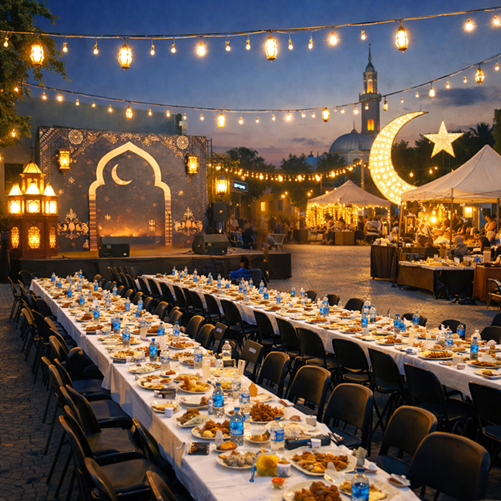
Steps to Organizing Ramadan Events That Attract Audiences
Organizing Ramadan events that attract a wide audience requires a comprehensive approach encompassing planning, promotion, programming, execution, and post-event evaluation. These events hold immense cultural and spiritual significance for Muslim communities worldwide, serving as platforms for gathering, reflection, and celebration during the holy month of Ramadan. Successful events not only foster a spirit of community solidarity but also showcase local traditions, promote inclusivity, and provide opportunities for charitable giving, making them distinctive in their social impact and ability to generate meaningful interaction. The planning phase is crucial to ensuring that logistical and operational aspects are handled efficiently. Key considerations include venue selection, budget management, and event scheduling to avoid conflicts with other community activities.
Choosing an easily accessible venue with ample capacity is essential for maximizing participation, while appropriate timing—especially for significant occasions like Iftar—enhances audience engagement. In addition, promoting events through culturally relevant content and multi-channel marketing strategies is vital for reaching diverse audiences, ensuring that the spirituality of Ramadan resonates with attendees.
Read also: The Importance of Ramadan Team Activities for Corporate Events
The event program should reflect the spiritual essence of Ramadan and can include various formats, such as communal iftars, religious lectures, and cultural exhibitions. Integrating interactive elements, such as competitions and workshops, enhances audience engagement. The execution phase focuses on meticulous planning and immediate adjustments to ensure a seamless experience, while gathering feedback after the event helps assess its success and guide improvements for future events.
Planning Phase
The planning phase is essential for organizing successful Ramadan events that attract a wide audience. A structured approach during this phase ensures that all logistical and operational aspects are effectively addressed.
Venue Selection
Choosing the right venue is crucial, as it impacts both the attendee experience and the logistical aspects of the event.
Proximity and Convenience
Choosing a venue close to a variety of accommodation options is essential. Venues located in city centers or areas with good transportation links are easily accessible to attendees, facilitating their participation in the event.
Capacity and Variety
Assessing the venue’s capacity and the variety of nearby accommodation options is crucial. Attendees have different preferences and budgets, so ensuring a diverse range of accommodations—from budget-friendly to luxurious—will cater to a wider audience.
Special Offers and Packages
Inquire about any special offers or packages available for event attendees. Collaborations between venues and local accommodations can provide exclusive discounts or benefits, making the event more appealing.
Timing and Date Considerations
Planning should begin early, especially for large events. For large gatherings, it’s advisable to start searching for a venue at least two years in advance. This allows ample time for negotiation, contract signing, and planning other essential elements such as logistics and marketing.
Additionally, event organizers should be mindful of scheduling conflicts with other events in the same field to avoid audience distractions and reduced participation.
Accessibility and Parking
Ensuring easy access to the event venue for all attendees is crucial.
Nearby Parking Opportunities
Assess the availability and accessibility of parking for participants. Adequate parking facilities can significantly enhance the attendee experience by providing convenience.
Public Transportation
Assess the availability of public transportation options near the event venue. A venue with a good transportation network can facilitate attendee mobility, increasing overall participation.
Budget Considerations
Venue costs can significantly impact the overall event budget. Organizers should evaluate various factors affecting venue pricing, including location, size, and any additional services required. By carefully managing costs and understanding pricing structures, organizers can ensure the budget aligns with the event objectives.
Promotion and Marketing
Successful promotion and marketing strategies are essential for attracting a large audience to Ramadan events. Effective campaigns resonate with the values and spirit of Ramadan, fostering a sense of belonging and promoting community, generosity, and spirituality among potential attendees.
Culturally Appropriate Content
To connect authentically with Muslim audiences, businesses should focus on creating culturally appropriate content that resonates with the emotional and spiritual aspects of Ramadan. This can include using culturally relevant imagery, such as lanterns and crescent moon symbols, and developing narratives that highlight family-run businesses and charitable initiatives.
Collaborating with influencers and local organizations can enhance the campaign’s reach and credibility, as influencers can share authentic experiences that resonate with their followers.
Timing and Engagement
Timing is crucial for marketing during Ramadan. Businesses should schedule ads at key times, such as Iftar and Suhoor, when audiences are most receptive to messages.
Engaging with customers through interactive content, such as surveys and live events, can foster a more dynamic relationship and encourage active participation. Additionally, utilizing social media platforms with targeted campaigns and relevant hashtags like #Ramadan and #Iftar helps brands reach their audience effectively.
Multi-Channel Experience
As consumer expectations evolve, particularly with technological advancements, providing a multi-channel experience is essential. Essential for businesses. Integrating digital and traditional touchpoints ensures consumers engage with brands through their preferred channels.
Using digital and mobile platforms, along with AI-powered personalization, can help businesses understand consumer preferences and tailor promotions accordingly.
Community Engagement
Organizing or sponsoring community iftar events can significantly boost brand presence and strengthen relationships with local audiences. These events provide platforms for direct interaction and demonstrate the brand’s commitment to community values.
Partnerships with local charities, where a portion of sales is donated, can also enhance brand image and demonstrate social responsibility during Ramadan.
Sustainability and Local Adaptation
Brands are increasingly recognizing the importance of sustainability in their marketing efforts. Integrating sustainable practices into event planning and promoting eco-friendly products aligns with growing consumer preferences.
Designing marketing campaigns that reflect local traditions and customs adds relevance and impact to marketing efforts, celebrates cultural diversity, and creates a deeper connection with the audience.
Types of Community Ramadan Events
Community events during Ramadan take on unique forms that reflect the spiritual dimension of the month.
Iftar Gatherings
Communal iftar meals are a highlight of Ramadan, providing an opportunity for people from diverse backgrounds to meet and share a meal. These gatherings often encourage cultural exchange and inclusivity, making them a prominent feature of the month.
Religious and Cultural Programs
Events such as Quran recitations, lectures, and heritage-focused exhibitions are gaining popularity. These programs blend faith and education, offering attendees a platform to deepen their spiritual understanding while enjoying cultural experiences.
Corporate Celebrations
Organizations often adapt their internal events to accommodate fasting employees. These events emphasize inclusivity and flexible participation, allowing employees to participate without compromising their religious practices.
Read also: Ramadan Events for Special Team Meetings


Comments