
Emergency Visit Management Guide
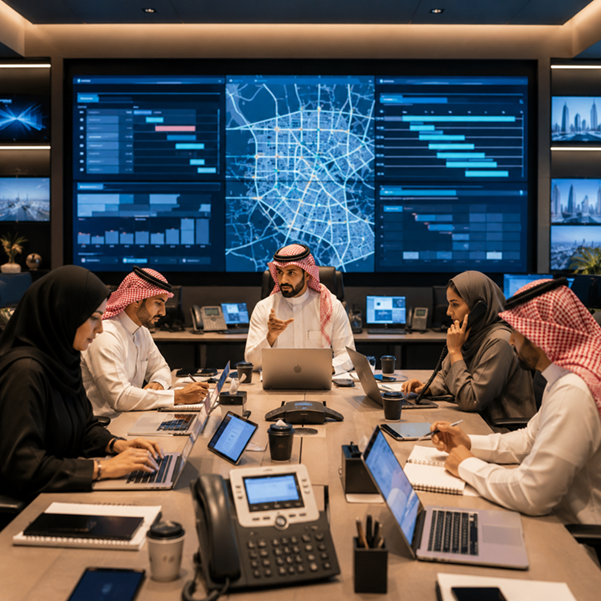
Emergency Visit Management Guide: How to Host a Surprise Delegation Within 24 Hours and Choose the Right Logistics Partner
The fast-paced nature of investment and diplomatic business in Saudi Arabia presents exceptional challenges for public relations departments and executive offices. Often, an executive office manager receives unexpected notification of an unscheduled visit by a high-level delegation with only 24 hours to spare.
In such circumstances, there is no room for improvisation; the first impression left by the delegation’s reception reflects the organization’s professionalism and operational readiness. This guide provides a quick, step-by-step checklist for managing emergency visits, followed by the top 10 evaluation questions to ensure you select a delegation management company with the necessary efficiency and speed.
Read also: How to Choose a Specialized Delegation Management and Coordination Company?
Part 1: Rapid 24-Hour Preparation Checklist
Upon receiving notification of a surprise visit, the available 24 hours should be divided into four phases to avoid any operational disruption:
Phase 1: Data Collection and Requirements Assessment (1:00 PM – 3:00 PM)
- Gather essential delegation data: total number of participants and their full names as they appear on their travel documents, job titles and protocol levels, nationalities, and preferred language of communication.
- Define the purpose and outcomes of the visit: determine whether the visit is for signing an agreement, closed-door negotiations, or a fact-finding mission.
- Record any special requirements: dietary preferences, health restrictions, and any specific requirements related to translation, privacy, or security.
Phase 2: Logistics and Reservations (4:00 PM – 8:00 PM)
- Airports and Facilities: book a meet-and-greet service from within the airport’s VIP lounges and arrange in advance for expedited baggage handling and entry procedures.
- Transportation Fleet: Securing executive vehicles with professional drivers who are thoroughly familiar with the routes and entrances of ministries and agencies, and allocating an additional support vehicle for baggage transport or emergency use.
- Accommodation and Hotels: Booking adjoining rooms and suites in a 5-star hotel near the meeting venue to avoid traffic congestion, and requesting express pre-check-in for immediate key collection upon arrival.
- Meeting Rooms and Hospitality: Securing a fully enclosed meeting room equipped with state-of-the-art audio and video equipment, and arranging with a fine-dining restaurant or high-end catering service for the business lunch or dinner.
Phase 3: Technical and Protocol Review (9:00 AM – 6:00 PM)
- Preparing and Sending the Schedule: Develop a flexible schedule that incorporates efficient travel times, allowing at least 20 minutes between tasks, and share the digital schedule with the head of the delegation and the host organization.
- Ensuring Technical Readiness: Test the simultaneous interpretation equipment and encrypted internet access within the venue, and ensure the availability of compatible chargers and three-phase power adapters in buses and halls.
- Souvenirs and Protocol: Prepare gifts that reflect Saudi Arabia’s rich culture, such as oud and premium dates, and review the seating arrangement map based on priority and job title.
Personalizing the Guest Experience and Adding a Cultural Touch
Beyond traditional logistics, the success of hosting investment and diplomatic delegations extends beyond simply providing buses and meeting rooms. It involves creating an unforgettable impression that reflects the authentic values of Saudi hospitality. In this crucial hour before the field is fully operational, the host organization should focus on personalizing and optimizing the visit:
- Comprehensive Cultural Personalization: Consider the cultural and religious background of the delegation and prepare personalized welcome cards for each member in both Arabic and their native language, to be placed in accommodations and vehicles.
- Half-Day Tours: Prepare a flexible contingency plan for recreational or cultural activities, not exceeding two hours, in case of unexpected free time between meetings, such as a quick visit to the Al-Turaif district in Diriyah or the Qasr Al-Hukm area in Riyadh.
- Saudi Hospitality Etiquette: Ensure the availability of premium Saudi beverages and coffee, and instruct the reception and escort team to adhere to cultural protocols and the guests’ specific preferences.
Read also: Catering Services for High-Level Delegations
Phase 4: Field Readiness and Simulation (7 PM – 12 AM)
- Field Coordination: Establish a rapid communication group comprising the field team leader, drivers, and public relations officer.
- Final Check Before Arrival: Inspect vehicles to ensure cleanliness, availability of water and other amenities, and the presence of a reception representative at the airport at least 45 minutes before the flight’s arrival.
Part Two: Top 10 Questions to Ask a Delegation Management Company Before Contracting
Choosing a successful logistics partner is the true difference between a seamless reception experience that enhances your organization’s standing and a chaotic arrangement that disrupts your schedule. Before signing the contract or assigning the task, ask these ten questions to assess the company’s efficiency:
- How fast are you in handling emergency hosting requests? The purpose of this question is to assess the company’s flexibility and ability to respond quickly within a few hours and provide all services without compromising quality.
- Are the cars and executive fleet owned by the company or outsourced to external suppliers? The purpose of this question is to ensure reliability. Companies that own their own fleet or have exclusive contracts guarantee the vehicles’ readiness, cleanliness, and the drivers’ competence, rather than relying on intermediaries.
- What are the qualifications of the drivers and reception team in handling official protocols? The purpose of this question is to ensure the team’s proficiency in foreign languages, their thorough knowledge of VIP protocols, and their training in confidentiality and professional appearance.
- How do you handle sudden changes in flight schedules or meeting delays? The purpose of this question is to explore the company’s flexibility in adjusting bookings and itineraries on the ground without disruption or arbitrary cancellation fees.
- Do you provide a single point of contact for follow-up on the visit? The purpose of this question is to avoid communication fragmentation. You should have a single executive available 24/7 to handle logistical details and keep you updated.
- What security, privacy, and data protection measures do you implement for delegations? The purpose of this question is to ensure that details of the visit, guest names, or the nature of investment or government discussions are not leaked to any third party.
- How do you manage crises and traffic congestion during peak times in major cities? The purpose of this question is to assess the company’s ability to plan alternative routes and provide backup vehicles nearby to ensure the delegation arrives on time.
- Do you have direct relationships and connections with VIP lounges, hotels, and major restaurants? The purpose of this question is to ensure the company can secure challenging bookings during peak season or unexpected visits through its network of direct contacts.
- Can you provide examples of similar visits you have managed for government entities or major corporations? The purpose of this question is to verify your track record and actual experience in handling delegations of strategic and diplomatic importance.
- What is your pricing mechanism and the transparency of your invoices when additional requirements arise? The aim of this question is to avoid financial surprises and ensure a clear and pre-defined price list for additional services such as overtime or route changes.
Conclusion
The success of hosting official and investment delegations depends not on luck, but on sound organizational preparation and the ability to manage meticulous details. Following a quick-start checklist allows you to take the initiative even in the most challenging emergency situations, while selecting the right logistics partner based on precise criteria provides a safety net that guarantees the success of your guests’ visit and the outstanding achievement of its strategic objectives.
In this context, AL Wofod Establishment provides integrated solutions that relieve executive offices and public relations departments of the burden of planning and logistical execution. Starting with reception services and facilitation procedures from luxurious airport lounges, providing an executive fleet equipped with professional drivers, to hotel bookings, securing fully equipped meeting rooms, and organizing banquets and cultural tours in a manner that reflects Saudi hospitality and the highest standards of international protocol.


Comments