
Choosing and Booking Conference Halls in Riyadh Hotels
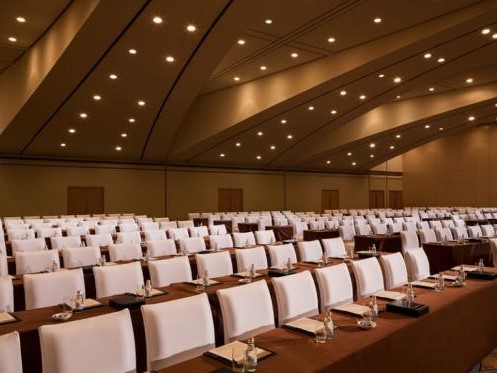
The Comprehensive Guide to Choosing and Booking Conference Halls in Riyadh Hotels
Riyadh is experiencing an unprecedented boom in the business tourism, conferences, and exhibitions (MICE) sector, driven by the Kingdom’s Vision 2030, which has positioned the capital as a major regional and international hub for economic and investment activities. With this expansion, selecting the right conference hall in Riyadh hotels has become a strategic decision that goes beyond simply renting space for a few hours. The choice of hall reflects the identity of the organizing entity and provides an interactive environment that directly contributes to the event’s success and the achievement of its objectives.
Dimensions of Choosing the Right Hall in the Capital
Riyadh boasts a wide variety of hospitality options, ranging from luxurious five-star international hotels with massive conference centers to modern boutique hotels designed for smaller executive meetings. Making the right decision requires a thorough analysis of organizational needs and available budget, along with an understanding of Riyadh’s geographical and logistical landscape.
Read also: The Best Hotels in Saudi Arabia
Key Factors for Choosing Conference Venues
To make an objective decision when comparing different hotel options, you should consider a set of key criteria:
Location and Accessibility
Riyadh’s geography and traffic patterns are among the most important factors affecting participant attendance:
- Proximity to Major Routes: It is preferable to choose hotels located on major roads such as King Fahd Road, King Salman Road, or roads leading to the King Abdullah Financial District (KAFD).
- Proximity to the Airport: For international conferences hosting foreign delegations, hotels located in northern Riyadh near King Khalid International Airport enhance guest convenience and reduce travel time.
- Parking and Logistics: Ensure the availability of sufficient parking for attendees, with the option of valet parking to accommodate large numbers without causing congestion.
Capacity and Space Design Flexibility
A hall is not measured solely by its overall size, but also by how well its space suits the type of event and the nature of the sessions:
- Seating Configurations: Does the hall allow for a theater-style layout for lectures, a banquet-style layout for interactive workshops and dinners, or a U-shaped layout for executive meetings?
- Ceiling Height and Columns: High ceilings create an impression of grandeur and allow for the installation of large screens, while columns within the hall may obstruct the audience’s view of the main screen.
- Breakout Rooms: Many conferences require smaller rooms adjacent to the main hall for breakout sessions, workshops, or to serve as VIP lounges and a media center.
Visual and Audio Equipment and Digital Infrastructure
Modern conferences rely entirely on cutting-edge technology, and any technical glitch can ruin the experience for participants:
- Internet (Wi-Fi): Ensure a high-speed internet connection with dedicated bandwidth to guarantee stable connectivity for all attendees and supporting devices.
- Audio-Visual Systems: High-resolution LED screens, state-of-the-art projectors, multi-purpose lighting systems, and modern wireless microphones are essential.
- Simultaneous Interpretation and Live Streaming: If the conference is hybrid or includes international participants, ensure the venue is equipped with simultaneous interpretation booths and online streaming equipment.
- Live Technical Support: A dedicated technical team from the hotel should be available on-site or in the control room throughout the event to address any emergencies immediately.
Quality of Hospitality and Catering Services
Hospitality is a crucial part of how attendees evaluate an event and directly impacts their overall impression:
- Menu Variety: The hotel’s kitchen should be able to offer diverse menus that cater to different cultures and meet specific dietary requirements (such as gluten-free, vegetarian, or halal meals).
- Coffee Breaks: Coffee breaks should be located in convenient locations outside the main hall to ensure a smooth flow of attendees and facilitate networking.
- Serving Flexibility: Multiple options should be available, ranging from open buffets to special table dining for official delegations.
Transparency in Budgeting and Pricing
Price structures vary between hotels, and it is essential to understand the cost details to avoid unexpected expenses:
- Day Delegate Rate (DDR) Packages: These are all-inclusive packages per person that cover hall rental, lunch, coffee breaks, basic sound equipment, and stationery.
- Minimum Spend: Some hotels require a minimum expenditure on food and beverages to exempt the organizer from the venue rental fee.
- Hidden Costs: Verify whether the quoted price includes taxes (such as 15% VAT) and service charges, as well as the cost of additional hours or special technical modifications.
Comparing Key Options
Below is a concise summary of the key criteria for choosing a venue to help organizing teams make a decision:
1. Location and Accessibility
This criterion focuses on the venue’s proximity to King Khalid International Airport and major road networks in Riyadh, as well as the availability of sufficient parking and valet parking. Its importance lies in increasing participant attendance and punctuality by minimizing travel time and avoiding traffic congestion.
2. Flexibility and Space
This aspect includes examining the venue’s suitability for the desired seating arrangement, ceiling height, the absence of columns that might obstruct the view, and the availability of adjacent smaller venues. Its importance lies in providing a suitable, comfortable environment for participants and facilitating movement between the main hall and side sessions.
3. Technical Infrastructure
This assessment includes verifying the availability of high-speed internet with a dedicated bandwidth, state-of-the-art LED displays, integrated sound systems, and the hall’s readiness for live streaming and simultaneous interpretation. This criterion directly impacts ensuring audience engagement and the smooth running of the conference agenda without any interruptions or technical malfunctions.
4. Quality of Hospitality and Catering
This section addresses the variety of food menus offered and their suitability for different dietary requirements, as well as the spaciousness and quality of the coffee break areas. This aspect is crucial for enhancing the overall attendee experience and providing a comfortable space for networking and professional development.
5. Financial Transparency and Cost Details
This criterion requires verifying that the presented offers include taxes and service charges, clear cancellation or modification policies, and details of additional service costs. Its importance lies in enabling the organizer to accurately control the budget and avoid any unexpected hidden fees or expenses.
Practical Steps for the Booking and Contracting Process
To successfully implement these principles, it is recommended to follow a structured, phased action plan:
- Scope Definition: Determine the expected number of attendees, the types of sessions, the proposed dates, and the estimated budget before contacting hotels.
- Request for Proposal (RFP): Send a Request for Proposal (RFP) to a select group of hotels, outlining all technical and logistical requirements to obtain comparable, standardized quotes.
- Site Inspection: Visit the shortlisted hotels, inspect the halls, guest entrances, and hospitality facilities, and verify the audio and lighting equipment on-site.
- Control and Policy Review: Scrutinize payment terms, cancellation or modification policies, and define the responsibilities of both parties regarding official permits and licenses required for the event.
Read also: Key Factors in Choosing Hotels for Events
Conclusion
Choosing the right conference hall in Riyadh hotels requires a careful balance between the allocated budget and organizational aspirations. By relying on a comprehensive evaluation methodology that takes into account location, flexibility, technical facilities, and quality of hospitality, organizers can ensure the delivery of a professional conference that lives up to the status of the Saudi capital as a global destination for major events.


Comments