
Promoting and Marketing Hybrid Events
Promoting and Marketing Hybrid Events
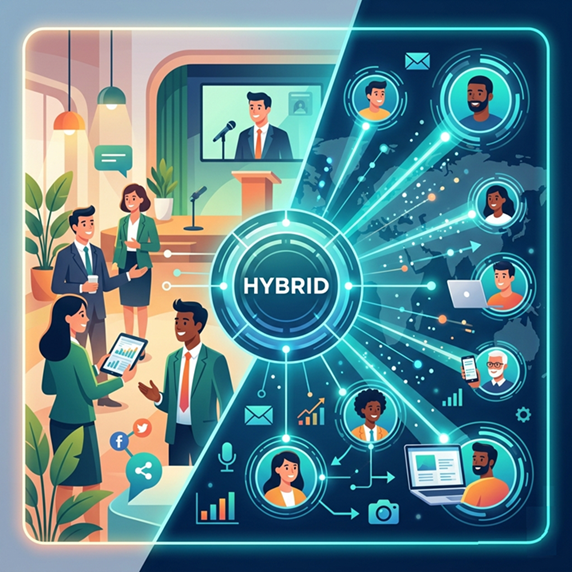
Effective promotion and marketing are essential for the success of hybrid events, which cater to both in-person and virtual attendees. A well-structured marketing strategy ensures the event reaches a broad audience and effectively engages them.
Pre-Event Marketing Strategies
Hybrid event marketing begins with a comprehensive promotional schedule that utilizes multiple channels, including email, social media, and paid advertising. This approach allows organizers to tailor their messaging based on the target audience and the event format. Highlighting key sessions, the speaker lineup, and unique virtual presentations is crucial for generating interest and excitement before the event.
Landing Page Optimization
An optimized event landing page serves as the central hub for all promotional activities. It should be mobile-friendly, easy to navigate, and feature high-quality images, engaging videos, and clear calls to action. Conversion optimization strategies include simplifying the registration process, using relevant keywords for SEO, and offering different ticket prices for in-person and virtual attendance.
Engaging with Influencers
Collaborating with influencers can significantly boost marketing efforts. Engaging with influencers whose audiences align with your target audience can enhance credibility and expand reach. Strategies include offering exclusive perks to influencers, encouraging them to share personal invitations, and even hosting sessions or interviews with keynote speakers. Research indicates that 81% of individuals are more likely to purchase a product if recommended by an influencer, highlighting the effectiveness of this strategy.
Social Media and Content Marketing
Effective use of social media is another cornerstone of hybrid event marketing. Identifying the best platforms based on the event sector and audience demographics can significantly increase visibility. Campaigns that incorporate user-generated content, countdown timers, and engagement through comments and shares help maintain excitement and interest leading up to the event.
In addition, a content marketing strategy that includes blog posts, guest articles, and promotional videos can further highlight the event’s themes and speakers, and enhance engagement with potential customers through valuable pre-event content.
Read also: The Difference Between Marketing and Event Promotion
Measuring Success
Tracking event performance indicators is essential for evaluating the effectiveness of promotional efforts. This includes measuring engagement through likes, shares, and comments on social media posts, as well as monitoring conversion rates from specific campaigns.
Using analytics tools to assess audience engagement levels during the event helps refine future marketing strategies. This ensures continuous improvement and better results for subsequent events. By implementing these comprehensive marketing strategies, organizers can create a unified messaging approach that effectively engages both in-person and virtual attendees, ultimately ensuring the success of the hybrid event.
By implementing these comprehensive marketing strategies, organizers can create a unified messaging approach that effectively engages attendees, whether they are present in person or virtually, ultimately ensuring the success of the hybrid event. Implementing Hybrid Events
Implementing hybrid events requires careful planning and strategic execution to ensure a seamless experience for all participants, whether attending in person or online. This section outlines the key components needed for a successful hybrid event.
Interaction Strategies
To maximize engagement, it is essential to design interactive content and strategies that resonate with both in-person and virtual participants. This may include creating unique experiences for remote participants, such as exclusive sessions or interactive Q&A opportunities, while ensuring that in-person participants feel included and valued. Integrating multimedia elements and real-time polls can enhance engagement, creating a dynamic and inclusive atmosphere.
Enhancing the Experience for All Participants
Creating an interactive environment is crucial to ensuring that both in-person and virtual participants feel connected. Event organizers should implement strategies such as virtual networking spaces and interactive activities that encourage participation from all attendees. Valuing remote participants during sessions and actively engaging them in discussions enhances their experience and sense of belonging. Offering incentives, such as virtual gift bags, also helps make remote participants feel valued and cared for.
Future Trends in Hybrid Events
As hybrid events continue to evolve, several trends are emerging that are reshaping the event planning and execution landscape. These trends not only enhance audience engagement but also leverage advanced technology to create seamless experiences for both in-person and virtual attendees.
Increased Reliance on Technology
The technology supporting hybrid events is rapidly evolving. Event organizers are moving from basic tools to more sophisticated platforms that integrate artificial intelligence and data analytics to enhance audience engagement and streamline logistics. This evolution includes tools that facilitate real-time feedback and data, allowing organizers to instantly adjust content and interactions, thus improving the overall experience for both types of attendees.
Focus on Inclusion and Engagement
The need for inclusivity has become a cornerstone of hybrid events. Organizers are focused on ensuring that both in-person and virtual attendees feel equally engaged and valued. This involves creating a unique experience that bridges the gap between physical and virtual presence. Organizers encourage the events should adopt practices that empower all participants to contribute to discussions and networking opportunities, ensuring that no one feels excluded, regardless of their chosen method of participation.
Enhanced Audience Analytics
Data-driven insights are becoming critical for planning and executing hybrid events. Event organizers are increasingly relying on analytics to understand attendee behavior and preferences. This data can benefit future events by helping to tailor content and engagement strategies to better meet the needs of diverse audiences. Features such as detailed audience engagement metrics and advanced presentation capabilities are essential tools for creating memorable experiences.
Focus on Hybrid Event Best Practices
As hybrid events become the expected norm, best practices are emerging to guide organizers in effectively planning and executing these events. This includes clear communication about the hybrid nature of the event across all platforms, from websites to social media, to establish appropriate expectations for attendees, whether they are attending in person or online. The goal is to create a holistic event experience that resonates with all participants.
Future Innovations
Looking ahead, hybrid events are expected to adopt more innovative technologies that enhance the participant experience. This includes immersive technologies that blur the lines between in-person and virtual interactions, creating a unified meeting experience where attendees feel a genuine sense of presence regardless of their location. As event technology continues to evolve, the expectation grows for tools that can anticipate and meet planners’ needs.
Read also: How Hybrid Events Have Proven Continued Success
Conclusion:
In conclusion, hybrid events are no longer just a temporary solution imposed by circumstances. They have become the new standard in the events industry, thanks to their unique ability to combine the power of face-to-face interaction with the flexibility of global reach. The success of this type of event extends beyond logistical organization. It encompasses innovative marketing strategies that blur the lines between physical and virtual attendance, creating a unified, inclusive, and interactive experience.
By embracing advanced technologies—such as artificial intelligence and data analytics—and focusing on the digital experience, organizers can transform technical challenges into opportunities for innovation and growth. The path to the future requires constant flexibility to keep pace with emerging trends, with participant satisfaction as a guiding principle at every stage of planning and execution. Thus, hybrid events remain the most effective bridge for communication and knowledge sharing in a rapidly evolving digital world, ensuring sustained impact and enabling organizers to achieve their goals effectively, transcending geographical boundaries.


Comments