
Promoting Your Upcoming Exhibition to Ensure Maximum Attendance
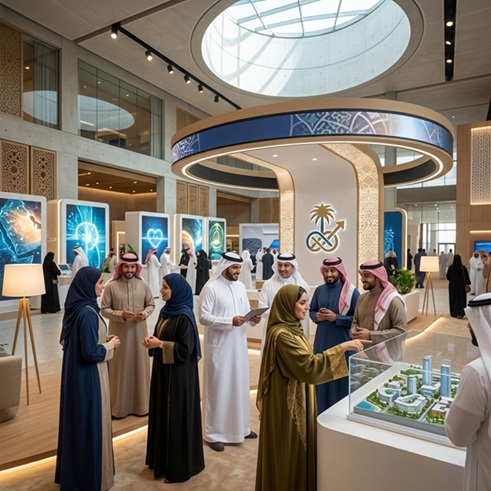
Steps and Standards for Promoting Your Upcoming Exhibition to Ensure Maximum Attendance
Managing major exhibitions and events requires meticulous planning and a clear vision to achieve the desired investment and partnership goals. While marketing, in its comprehensive sense, includes market research, target audience identification, and exhibition space pricing, promotion acts as the direct, executive engine that highlights the exhibition and motivates visitors and participants to attend.
Effective promotion for your upcoming exhibition is not simply about posting scattered advertisements on social media platforms. It is a comprehensive process based on scientific principles and a well-thought-out timeline that ensures the right message reaches the right audience at the ideal time. In this article, we will detail the practical steps and essential standards for successfully promoting your upcoming exhibition.
The Difference Between Marketing and Exhibition Promotion
Before starting to prepare your promotional campaign, it is crucial to understand the distinction between these two concepts to ensure that efforts and budgets are directed correctly.
Marketing represents the overarching strategy that begins long before investing in the event. It includes analyzing market gaps, studying exhibitors’ needs, defining the event’s identity and overall message, setting budgets, and determining added value.
Promotion, on the other hand, is the direct and operational part of the marketing process. It focuses on effective communication with the audience and potential participants through various tools and channels to convince them of the event’s importance and encourage them to register and attend the exhibition.
Read also: Marketing Strategies for Successful Trade Shows
Essential Criteria Before Launching a Promotional Campaign
To maximize the return on investment in promotional campaigns, the plan must be based on a set of essential criteria and components before allocating advertising budgets.
Definitely Identifying the Target Audience
Exhibitions vary in their target audiences; some are geared towards companies and businesses, while others are aimed at the general public and direct consumers. Accurately defining the target audience helps in selecting the most effective promotional messages and channels.
Crafting a Unique Value Proposition
The promotional campaign should clearly answer the visitor’s fundamental question: “Why should I visit this particular exhibition?” It should highlight strengths such as the presence of international experts, the launch of new products, or the provision of unprecedented business networking and contracting opportunities.
Building a Visual Identity and Media Message
A consistent visual identity across print, digital advertising, and registration pages enhances the credibility of the exhibition. Marketing messages should be clear, direct, and compelling enough to encourage registration.
Practical Steps for Effectively Promoting Your Upcoming Exhibition
Managing successful promotional campaigns relies on dividing the work into phases based on a gradual timeline that ensures escalating interest in the event leading up to the opening day.
Phase One: Early Promotion and Digital Infrastructure Preparation
This phase begins well in advance of the exhibition and aims to build initial awareness of the event and gather data on interested parties.
This phase starts with creating a dedicated platform or landing page for the exhibition. It should be fast-loading, user-friendly across various smart devices, and contain all the details regarding the date, location, and quick registration link.
Early registration is also activated during this phase to encourage visitors and participants to reserve their spots and take advantage of special benefits. This contributes to building an initial database of interested individuals who can be targeted later via email or reminder messages.
Phase Two: Intensive Promotional Campaigns
As the exhibition date approaches, promotional activities intensify, and targeting tools diversify to ensure broad reach.
This phase includes launching targeted paid advertisements on search engines and social media platforms, based on the interests, geographic location, and professional characteristics of the target audience. It is also advisable to engage with local and specialized media outlets to publish press releases and news articles about the exhibition and participating companies.
Furthermore, collaboration with partners and sponsors plays a pivotal role in this phase. They are provided with ready-made promotional packages to distribute through their own channels, thus enhancing the event’s promotional reach at no additional cost.
Phase Three: Reminders and Countdown
As the final weeks and days before the opening draw near, the focus of promotional efforts shifts from simply attracting new registrants to ensuring these registrations translate into active and positive attendance at the exhibition. This phase aims to increase the “actual attendance rate” and reduce absenteeism by maintaining continuous engagement with the registered audience.
This phase involves implementing a targeted and intensive communication strategy via email and SMS, providing visitors with all the necessary logistical information, such as digital badges, a detailed event agenda, and a list of speakers, along with access maps and parking directions. Simultaneously, countdown campaigns are launched on social media platforms to build anticipation and excitement, reminding the public of the exclusive benefits and exceptional opportunities awaiting them at the exhibition.
The Most Effective Channels and Tools for Promoting Exhibitions
Successful exhibition promotion requires a diverse mix of digital and traditional channels to ensure effective coverage of target audiences.
Professional platforms are the most recommended channels for business-oriented events, allowing for targeting decision-makers and executives based on their job titles and industry sectors. Meanwhile, interactive visual platforms are ideal for exhibitions aimed at the general public, showcasing live demonstrations and experiences.
Direct email marketing remains one of the most effective tools for achieving high conversion rates, especially when using accurate and up-to-date databases tailored to the nature of the exhibition.
On-the-ground coverage and media partnerships should not be overlooked; television and print coverage enhance the event’s credibility and strategic importance within the business community.
Measuring Campaign Success Criteria
The promotional process doesn’t end with the launch of advertisements. It requires continuous monitoring and dynamic adjustments based on key performance indicators (KPIs) to coordinate efforts and achieve optimal results.
Initial monitoring involves measuring ad reach and engagement with published content, along with tracking the conversion rate on the registration page to assess the effectiveness of the marketing message and the ease of the registration process.
Measuring the cost per registrant or visitor is a fundamental criterion for evaluating the efficiency of allocating the promotional budget across different channels.
At the end of the event, the true strength of the promotional campaign is measured by calculating the percentage of actual attendees compared to the total number of registrants. This is the ultimate indicator reflecting the effectiveness of the follow-up campaigns and the quality of the target audience.
An important article outlining 7 steps to ensure the successful execution of trade fair events
Conclusion
Successful and well-planned promotion of any upcoming exhibition is not merely about fleeting advertisements or attention-grabbing campaigns. Rather, it is the essential bridge connecting comprehensive strategic event planning with the transformation of that planning into a large audience and tangible commercial momentum that enhances return on investment. By developing a comprehensive, phased action plan that begins with early awareness campaigns and culminates in a countdown to confirmation, with precise identification of target audience segments and their intentions, and the intelligent use of the most influential communication channels, organizers can manage the campaign with high efficiency. This success is further enhanced by diligent monitoring and continuous analysis of key performance indicators (KPIs), enabling immediate adjustments to campaign strategies, ensuring the highest actual participation rates, and solidifying the exhibition’s position as an exceptional and leading platform that shapes the sector and meets the aspirations of all participants and sponsors.


Comments