
Criteria for Choosing the Ideal Venue for Your Next Exhibition
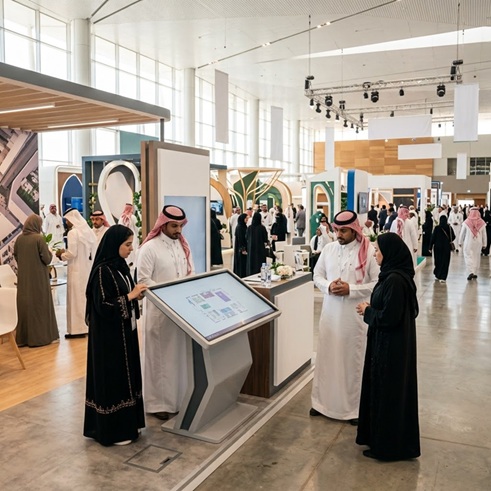
Criteria for Choosing the Ideal Venue for Your Next Exhibition
Trade and specialized exhibitions are among the most important economic drivers and interactive platforms for exchanging expertise, developing investment relationships, and concluding major deals. In the events and conferences industry, the success of an exhibition is not measured solely by the quality of the exhibits or the reputation of the organizing body, but depends largely on the choice of venue. The venue is not merely a geographical space or enclosed walls; it is the logistical, engineering, and technical framework that provides exhibitors and visitors with a comprehensive, safe, and productive experience.
Planning a successful exhibition requires a holistic vision that goes beyond superficial considerations and delves into the most minute logistical and technical details of the chosen location. This comprehensive article outlines the essential and strategic criteria that event management and the organizing team must consider to ensure the selection of the optimal venue for your next exhibition.
First: The Architectural Design of the Space and Ceiling Height
Exhibitions differ fundamentally from traditional conferences and meetings. While conferences rely primarily on lecture halls and theaters equipped with fixed seating, exhibitions require open, free spaces that are fully adaptable and configurable. The first criterion the organizing team must assess is the venue’s flexibility and its capacity to accommodate temporary structures for pavilions and stands.
Modern exhibitions require high ceilings that allow exhibitors to construct multi-story stands or install massive display screens and suspended metal structures that project their brands from a distance within the hall. Low ceilings or closely spaced concrete columns impose strict engineering constraints on participating companies, diminishing the event’s visual appeal and limiting design creativity.
In addition, the hall’s flooring must be examined for its ability to withstand heavy loads and weights. This criterion is particularly important in industrial exhibitions or automotive and heavy equipment shows, where equipment and exhibits require solid, level platforms to ensure public safety and prevent any subsidence or damage to the hall’s infrastructure.
Second: Logistical Infrastructure and Loading and Unloading Facilities
The “entry and exit” phase is one of the most critical stages in the operational cycle of any exhibition. The success of this phase depends directly on the logistical and engineering capabilities the venue offers to contractors, exhibitors, and transport trucks.
The chosen site must have multiple loading and unloading platforms, engineered to accommodate large and medium-sized trucks simultaneously without causing traffic congestion in the surrounding areas. Wide, level access points are also necessary to allow forklifts and heavy transport equipment direct access to the exhibition halls for easy handling of large items.
Furthermore, the availability of ample, temporary storage space for empty boxes and packaging containers during the event is an essential logistical requirement. A venue lacking secure, dedicated storage areas will force exhibitors to leave packaging waste inside the halls or in the aisles, negatively impacting the event’s appearance, obstructing pedestrian traffic, and posing a public safety risk.
Third: Power and Technical Networks
Modern exhibitions are technology-intensive environments; The exhibition platforms rely on advanced lighting systems, interactive displays, virtual reality simulators, and sometimes even live demonstrations of mechanical equipment and machinery. Therefore, assessing the venue’s electrical and network capacity is a crucial and non-negotiable requirement.
The venue must have a well-distributed ground-level electrical distribution network covering the entire hall. This ensures that power reaches all platforms easily and without the need for cables running through the walkways, protecting visitors from tripping hazards and preserving the hall’s aesthetic appeal. It is also essential to ensure the availability of high-capacity backup generators that activate automatically and immediately in the event of a power outage.
In terms of communications, internet access is no longer just an optional service; it is the lifeblood of the exhibition. Logistical success requires a high-speed, broadband network capable of handling thousands of simultaneous connections without service disruptions. This network is necessary to enable exhibitors to conduct interactive presentations, connect to their cloud servers, and facilitate visitor registration, electronic payments, media coverage, and live streaming.
Read also: Top 10 Tools and Techniques for a Successful Next Exhibition
Fourth: Traffic Management and Visitor Flow
The smooth flow of visitors within an exhibition space is directly affected by the layout and design of the venue. The ideal venue allows for a balanced distribution of entrances, exits, and walkways, ensuring a smooth flow of visitors through all sections and pavilions without creating dead zones or severe congestion at main entrances.
The venue must have operational flexibility to allow for ample space for main walkways between stands (with a minimum width of 3 to 4 meters in medium and large exhibitions) to facilitate free movement and gathering in front of pavilions without disrupting the flow of traffic.
Furthermore, the venue must fully comply with safety and security standards and civil defense procedures, including clearly marked emergency exits and safe evacuation routes, an advanced fire alarm and suppression system, and highly efficient ventilation and air conditioning systems that ensure continuous air renewal within enclosed halls.
Fifth: Geographic Location, Accessibility, and Parking
No matter how excellent and advanced the venue’s facilities are, its geographical location remains the most influential factor in attracting the target audience and visitors. The chosen location should be easily accessible via major road networks and close to public transportation, including metro and bus services.
For international exhibitions targeting exhibitors and visitors from outside the country, proximity to the international airport and a diverse network of hotels and accommodation options to suit various levels of delegations and companies is preferable.
Parking capacity is also of paramount importance. The venue must have a sufficient number of parking spaces to accommodate the expected attendance, with dedicated lanes for public transport buses, designated pick-up and drop-off areas for ride-hailing app users, and valet parking for official and VIP delegations. Difficulty finding parking can be a major reason for visitors to refrain from attending or leave early.
Sixth: Supporting Facilities, Services, and Operational Flexibility
The visitor and participant experience at the exhibition extends beyond the main exhibition hall to encompass all supporting facilities that provide comfort and efficiency during long operating hours. Key on-site facilities to consider include:
- Side meeting rooms: Enclosed, well-equipped rooms for bilateral meetings and business deals, allowing participants to finalize agreements and contracts away from the noise of the main halls.
- Hospitality and dining services: A variety of cafes and restaurants strategically located to cater to the needs of a large number of visitors and exhibitors.
- On-the-spot service centers: A logistics office offering printing services, office supplies, express shipping, and direct technical support.
- Medical and security services: A fully equipped first aid station with medical personnel to handle emergencies, along with a professional security team to manage gates and maintain public order.
In addition to the physical facilities, the flexibility and cooperation demonstrated by the venue’s management and technical team are crucial. Highly experienced management effectively helps overcome logistical challenges and technical surprises that may arise during the preparation or operation of the exhibition.
Conclusion
Choosing a venue for an exhibition is not merely a to-do list item; it is a strategic decision that directly impacts the event’s reputation, exhibitor and visitor satisfaction, and the return on investment for all stakeholders.
Learn how to choose the right exhibition organizer
A thorough analysis and integration of architectural standards, logistical capabilities, technological infrastructure, accessibility, and support services are the true guarantees for delivering a professional exhibition that reflects the organizer’s positive image and meets the expectations of the modern business market.


Comments