
Designing High-Level, Interactive Seminars
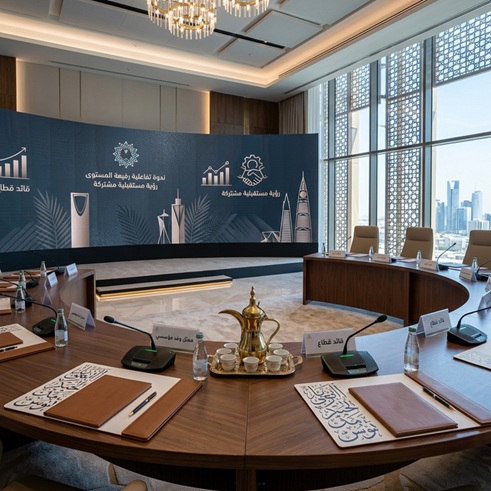
A Practical Guide to Designing High-Level, Interactive Seminars for Institutional Delegations in the Kingdom
The Kingdom of Saudi Arabia is witnessing an unprecedented surge in development, economic activity, and cultural transformation, driven by the goals of Vision 2030. This has established its cities—most notably Riyadh, Jeddah, AlUla, and the Eastern Province—as premier destinations for hosting international conferences, economic forums, and major sector-specific gatherings. Amidst this growing momentum, specialized seminars and high-level panel discussions have emerged as vital strategic tools for exchanging insights, forging partnerships, and exploring developmental solutions among local and international delegations.
When institutional delegations and industry leaders convene for a specialized seminar in the Kingdom, the attention of attendees and the media is naturally drawn to the speakers and the main stage. However, seasoned professionals in event management and delegation coordination understand a fundamental truth: the true success of a seminar is not defined solely by what happens on stage; rather, it is built upon the operational and organizational details—often unseen—that precede, accompany, and follow the event. Organizing a seminar that reflects the stature of the host entities in Saudi Arabia requires a comprehensive approach to the participant experience—one that integrates the precision of Saudi institutional protocol with seamless logistical planning, while transforming the discussion into a fertile environment for building consensus and reaching decisions.
First: Selecting a Seminar Format Aligned with the Nature of the Delegations and the Organizer’s Objectives
The initial step in the professional design of a seminar begins well before booking a venue or issuing invitations; This involves determining the most appropriate format based on the nature of the participating delegations and the sensitivity of the topics being addressed. Within the Kingdom’s business environment and key sectors, the types of seminars vary—ranging from closed-door executive meetings and professional or organizational workshops to open, sector-specific seminars that showcase investment opportunities and innovations.
- Roundtables: These are the ideal choice when a seminar brings together executive leaders, heads of delegations, or representatives from major companies and institutions to discuss joint initiatives or sector-specific challenges. This format eliminates psychological and hierarchical barriers between “speakers” and “recipients,” fostering a sense of equality among all delegates and encouraging active participation in shaping the outcomes.
- Closed Sessions under the “Chatham House Rule”: For seminars addressing highly sensitive strategic matters or preliminary investment negotiations, applying the Chatham House Rule ensures free and candid discussion. Participants are permitted to use the information shared without attributing it to any specific speaker or organization. This approach builds trust between visiting and host delegations and enhances the quality of the discourse by removing the constraints often imposed by the presence of media.
- Panel Discussions: These are well-suited for events aimed at highlighting sectoral achievements or launching major initiatives before the media and a specialized audience. In this format, the time allocated for individual opening remarks should be minimized in favor of direct, interactive dialogue between the panelists and the audience.
Second: Incorporating Saudi Protocol and Cultural Nuances into the Experience Design
Saudi society is characterized by a deep-rooted culture of hospitality, which blends traditional Arab warmth with meticulous organizational discipline—especially during major events attended by executive leadership, international experts, and high-profile guests. Even a minor lapse in organizational or protocol-related matters can negatively affect the overall impression, regardless of the quality of the seminar’s academic or professional content.
Adherence to protocol begins the moment a delegation arrives at the venue. This includes designating clear, separate arrival paths for VIPs, as well as providing “Green Rooms” for keynote speakers—private spaces where they can review session topics and engage in informal, friendly exchanges before taking the stage. Such a practice fosters rapport and paves the way for a seamless dialogue in front of the audience.
Inside the seminar hall, the seating plan is of paramount importance. Seats must be arranged with precision, strictly following established professional and organizational hierarchy. On the stage, the moderator should be positioned centrally among the speakers—or in a location specifically designated by the prevailing protocol. Furthermore, cultural nuances in hospitality must be carefully considered; for instance, the timing of serving Saudi coffee and dates during breaks, and ensuring that prayer times are precisely integrated into the seminar schedule so that they do not conflict with key sessions.
Third: The Art of Moderation as a Catalyst for Interaction
Even when a group of prominent experts and executive leaders gathers on the same stage, the absence of professional moderation can turn a seminar into a series of long, tedious monologues. Consequently, selecting and preparing a moderator is one of the most significant investments an organizing body can make.
A successful moderator for high-level seminars is more than just an announcer reading out speakers’ biographies; they are a discussion leader with a profound grasp of the seminar’s subject matter and the backgrounds of the participating delegates. Their core responsibilities include:
- Managing time with both firmness and tact: Regulating the duration of interventions—without causing embarrassment to the speakers—by establishing clear, pre-agreed-upon time signals and using digital timers that remain invisible to the audience.
- Formulating connective questions: Linking the speakers’ ideas and posing probing questions that reveal the practical depth of their experiences, rather than relying on generic inquiries.
- Navigating diverse viewpoints: In seminars that bring together delegates with varying backgrounds or interests, a skilled and professional moderator intervenes to steer the discussion toward common ground and shared solutions.
- Facilitating audience engagement: Allocating well-planned time for contributions from delegates and attendees, while filtering questions to ensure they remain focused on the core theme of the seminar.
An important article outlining key considerations for organizing seminars
Fourth: The technical and logistical infrastructure supporting the smooth flow of discussion
Modern seminars require a smart application of technology—one that serves the content rather than overshadowing it. For international events hosted in the Kingdom, simultaneous interpretation systems are indispensable. It is essential to ensure that interpreters are proficient in sector-specific terminology—whether in energy, technology, finance, or governance—and that all audio equipment is tested well before a session begins, preventing any disruptions that could hinder communication among delegates.
Furthermore, real-time interactive tools—such as live polling platforms and instant surveys accessed via QR codes—help gauge the perspectives of delegates and attendees on the topics under discussion. This provides speakers with live data to inform their discourse, transforming the audience from passive listeners into active contributors to the development of insights. Lighting and acoustic design also play a vital, both psychological and operational, role; balanced lighting that prevents eye strain, combined with high-quality audio capture from both the podium and the floor, ensures that mental focus remains at its peak throughout the seminar.
Fifth: Beyond the Conclusion—Translating Dialogue into Sustainable Institutional Outcomes
Many seminars end with applause and commemorative photographs, yet their strategic value quickly fades if the discussions are not translated into clear, actionable documents. Therefore, the operational planning for any seminar must include a team dedicated to real-time documentation and the formal drafting of outcomes. Throughout the sessions, this team works behind the scenes to track key ideas, challenges identified by the delegations, and proposed solutions. They synthesize these into an “executive summary” or “recommendations report,” which is made available to participating delegations and relevant stakeholders either at the conclusion of the seminar or within a maximum of 24 hours. Furthermore, the rich content generated during the seminar is leveraged to produce professional media assets—such as press reports, short video clips featuring key statements, and infographics summarizing the recommendations. This enhances the organizing entity’s media presence and documents the event’s success, establishing it as a valuable knowledge resource within its sector.
Read also: Criteria for Evaluating the Success of Scientific Seminars
Conclusion: Organizational Partnership as the Foundation for Excellence
Organizing a high-level, interactive seminar for institutional delegations in the Kingdom of Saudi Arabia requires a harmonious blend of strategic content vision, rigorous protocol, and precise logistical and technical execution. When major institutions and corporations entrust the planning and implementation to a partner specialized in organizing exhibitions, conferences, and managing delegations, they ensure that every operational detail is transformed into added value. This allows their leadership and guests to focus entirely on the core dialogue and the development of partnerships.
In the rapidly evolving landscape of events in Saudi Arabia, a successful seminar is no longer merely an entry on an annual calendar; it has become a sophisticated showcase reflecting the professionalism of the host organization—a genuine platform for creating impact and shaping the future.


Comments