
Tools and Techniques for Success at Your Next Exhibition
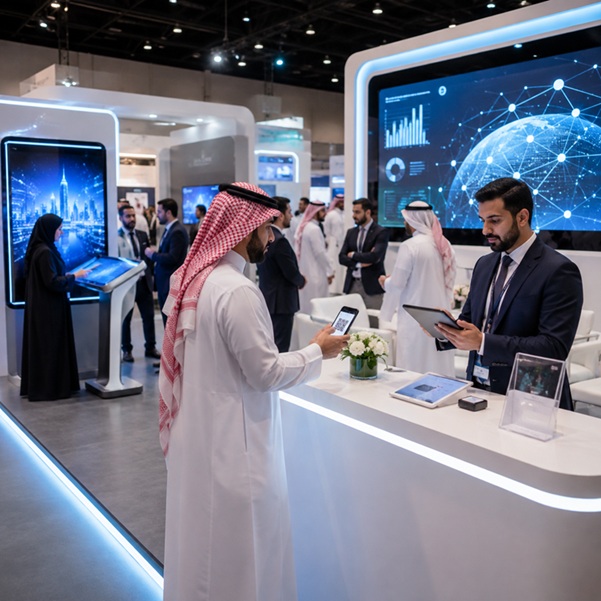
Top 10 Tools and Techniques for Success at Your Next Exhibition
This comprehensive guide is an essential resource for planning, executing, and measuring the effectiveness of your trade show program. It brings together best practices in pre-show promotion, on-site engagement, lead generation, and post-show follow-up, with a focus on a data-driven approach integrated with a CRM system to transform stand activity into measurable sales and revenue opportunities. Situated at the intersection of event marketing, sales support, and experiential design, it reflects how exhibitors are increasingly integrating digital tools with hands-on experiences to engage attendees, generate high-quality leads, and accelerate the buying process.
A key focus is leveraging technology and structured processes to amplify impact across various events. From offline lead collection and QR code-based workflows to AI-powered data enrichment and automated follow-up, these tools aim to maintain data integrity, expedite lead qualification, and synchronize field activities with back-end systems. This approach focuses on clear objectives, defined frameworks for assessing leads, and precise measurement, with ROI and ROI analysis guiding decisions regarding participation, budgets, and future exhibition strategy.
It also highlights privacy, compliance, and ethical considerations, emphasizing the need for responsible signage and data practices in an increasingly scrutinized events environment. The article showcases a wide range of methods designed to increase stand traffic and engagement, including pre-exhibition promotion, live demonstrations, interactive workshops, interactive lead collection, digital and physical experiences, and carefully curated stand experiences. It also addresses the operational aspects—planning, logistics, staffing, and field methods—necessary to deliver a comprehensive and scalable program across multiple events and zones.
Finally, the report emphasizes the importance of a practical and replicable framework: defining objectives and key performance indicators (KPIs), implementing a comprehensive and repeatable process for collecting and tracking leads, investing in a flexible technology infrastructure with offline capabilities, and conducting structured post-show reviews for continuous improvement.
Planning and Strategy: Laying the Foundations for Success
Transforming busy exhibition halls into trust-based environments requires early strategic planning. This begins with setting specific quantitative goals (such as the number of qualified leads or targeted sales transactions), rather than vague slogans like “raising awareness.”
Budget management involves estimating all direct and indirect costs and utilizing specialized planning platforms like Planning Pod to manage the halls and coordinate team schedules. Furthermore, a three-tiered lead scoring framework should be adopted, enabling staff to instantly distinguish between casual shoppers and serious buyers through quick questions related to budget, timeframe, and decision-making authority.
Read also: How to Choose the Right Exhibition Organising Company
Top 10 Essential Tools and Techniques for a Successful Trade Show
The following techniques and tools complement each other to cover the entire event lifecycle, from pre-marketing to final conversion:
Pre-Campaign Strategies and Targeted Communication
These rely on engaging the target audience before the event begins through email, targeted advertising, and social media (using tools like Buffer and Hootsuite). These campaigns aim to schedule pre-event meetings with decision-makers and ensure a steady flow of interested visitors as soon as the booth opens.
Live Demonstrations and Interactive Screens
These offer a “show what the product does” approach to the audience. Live demonstrations should be short (2-5 minutes) to pique curiosity and build trust without overwhelming the visitor, transforming a simple visual experience into a deep and focused interaction.
Workshops and Mini-Seminars Within the Booth
These transform the booth from a mere sales platform into an educational and informative space. These sessions contribute to longer visitor stays and solidify the company’s position as a source of knowledge and expertise in its field.
Digital Data Collection Applications and Synchronization Networks
Advanced tools for seamlessly collecting and managing visitor data. These applications instantly collect and categorize information, transforming business cards and badges into structured inputs within a Customer Relationship Management (CRM) system.
Visitor Assessment and On-the-Face Qualification Framework
A streamlined and standardized system that booth staff rely on to instantly categorize visitors (high, medium, low priority). This framework ensures immediate follow-up with the most important contacts, eliminating wasted time with unintended visitors.
Visitor Traffic and Interaction Behavior Analytics
Sensor-based or digital analytics technologies measure traffic flow, booth time, and interaction levels with exhibits. These metrics provide valuable insights for booth design development and staff allocation for future events.
Post-Event Reporting and Analytical Consulting Tools
Data processing platforms that transform raw metrics into actionable executive reports. These reports contribute to understanding visitor behavior patterns and identifying strengths and weaknesses in on-the-face performance.
Return on Investment (ROI) and Opportunity Return (ROO) Models
Financial and analytical tools for comparing total expenditures with realized results (whether direct revenues or potential sales opportunities), enabling management to assess the viability of the investment and determine future spending strategies.
Automated Monitoring Systems
Automation tools ensure that leads are contacted within 48 hours of the show’s end. Studies indicate that speedy, personalized follow-up and frequent, content-driven communication are crucial for closing deals.
Data Platforms and AI-Powered Audience Enrichment
These platforms utilize AI to fill in missing data (such as email addresses or job titles) after badge scanning and activate automated nurturing sequences to transform contact lists into a sustainable sales funnel.
Title Generation and Offline Operations Tools
A technical response to network outages in busy venues is critical. Tools like Boomset and Capello offer integrated badge scanning solutions (including RFID and QR code technologies) with offline mode, where data is securely stored on the device and automatically synchronized once connectivity is restored.
These platforms support customizable models and AI-powered data enrichment to supplement attendee information from available sources, minimizing gaps and ensuring data integrity and quality before transfer to CRM systems.
Booth Experience and Creative Design
A successful booth balances visual messaging with hands-on experience:
- Visual Hierarchy: The brand’s main message should be clear and legible from a distance of more than 6 meters, while supporting details are displayed in the mid-range and close-up.
- Phygital Experiences: Integrating physical elements with digital technologies, such as augmented reality (AR) filters, QR code paths, and interactive touchscreens that allow visitors to freely explore product catalogs.
- Gamification: Using interactive activities like digital prize wheels or quick quizzes linked to the company identity to engage visitors and collect their data in a fun and engaging way.
- Consistent Identity and Standardized Materials: Using standardized fabric screens and strategic lighting enhances visitor immersion and reinforces a professional impression, while reducing transportation and installation costs. Operations, Logistics, and Field Tactics
Operational efficiency depends on meticulous planning and field execution:
- Logistics and Shipping: Pre-book spaces and ship 4 to 6 weeks in advance, and ship to forward warehouses to avoid delivery delays at the event location.
- Human Resources Management: Train staff in rapid communication techniques and implement shift rotations to maintain high energy and activity levels within the booth.
- Customer Routing and CRM Automation: Instantly connect interactions to the CRM system to route each prospect to the appropriate sales representative based on sector or geographic area.
- Exhibitor Management Portals: Reduce administrative burdens by using smart platforms to manage booth selection, file uploads, and compliance data updates.
Privacy and Ethical Compliance Considerations
With the development of AI-based tracking tools and cameras, compliance with global data protection regulations such as the GDPR and CCPA is becoming increasingly important. Exhibitors should display clear disclosure signs outlining their data collection and recording practices and obtain explicit visitor consent when scanning badges or collecting data to protect the organization’s reputation and avoid legal liability.
Read also: How to Choose Sponsors for Your Next Event
Measurement, Monitoring, and Continuous Improvement
The event doesn’t end when the booth is dismantled; the reaping of rewards begins. Continuous improvement requires structured post-exhibition reviews to compare performance with budget and actual expenses, and to analyze key performance indicators (KPIs) such as the cost of a qualified lead, conversion rate, and audience engagement. These data-driven reviews help refine strategies, identify the most effective exhibitions, and ensure the highest return on investment for future events.


Comments